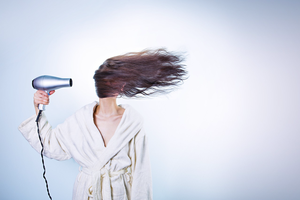

An itchy, irritated scalp can make anyone miserable, but for those with natural hair textures—curly, coily, or tightly wound strands—the discomfort can be especially persistent. While you may have already swapped shampoos or changed how often you condition, what you eat could be playing a bigger role than you think. Dietitians point to certain foods that may trigger or worsen scalp itching and inflammation, particularly on natural hair. Here are five common culprits to consider cutting back on if your scalp is constantly begging for relief.
Dairy products
Milk, cheese, yogurt, and ice cream are staples in many diets, but they're also a frequent trigger for scalp irritation. According to dietitians, dairy can stimulate the production of sebum (oil) and increase inflammation in some people. For natural hair, which already tends to be drier at the ends, an oily, inflamed scalp can lead to clogged follicles, dandruff, and persistent itching. If you notice your scalp flaring up after a week of heavy dairy intake, try switching to plant-based alternatives like almond or oat milk for a few weeks to see if symptoms improve.
Sugar and refined carbohydrates
Sweet treats, white bread, pasta, and sugary drinks don't just spike your blood sugar—they can also feed the yeast and bacteria that naturally live on your scalp. An overgrowth of Malassezia, a common scalp fungus, is directly linked to dandruff and itching. Dietitians explain that sugar promotes inflammation throughout the body, and the scalp is no exception. Reducing added sugars—even the ones hiding in flavored coffees, granola bars, and sauces—can help calm that fiery, scratchy feeling. Focus on whole grains, vegetables, and proteins instead.
Spicy foods
If you love hot sauce, chili peppers, or curry-heavy dishes, your scalp might be paying the price. Spicy foods can cause vasodilation (widening of blood vessels), which increases blood flow and heat to the skin. On a sensitive scalp, this can translate directly into redness, tingling, and itching. For people with natural hair who already deal with scalp sensitivity due to tight braids, weaves, or product buildup, adding heat from the inside can push irritation over the edge. You don't have to eliminate spice entirely—just notice if your scalp reacts within a few hours of eating a spicy meal.
Fried and greasy foods
Fast food, fried chicken, french fries, and anything cooked in excess oil can worsen scalp health from the inside out. Dietitians note that these high-fat, low-nutrient meals increase systemic inflammation and can cause your scalp's sebaceous glands to go into overdrive. More oil on the scalp means more fuel for dandruff-causing microbes and a greater chance of clogged pores and itching. Instead of deep-fried snacks, try air-fried or baked alternatives, and focus on healthy fats from sources like avocado, nuts, and fatty fish—these support skin health without the inflammatory downside.
Processed meats and shellfish
Bacon, deli meats, sausages, and some shellfish are high in substances called histamines. Histamines are chemicals that your immune system releases during an allergic reaction, and they can cause itching, hives, and flushing. For people with a histamine sensitivity or intolerance, eating these foods can directly trigger scalp itching. Natural hair—with its tendency to hold moisture and products close to the scalp—can trap histamine-related inflammation, making the itch worse and harder to soothe. If you suspect histamines are an issue, work with a dietitian to try a low-histamine elimination diet and track your scalp's response.
Quick tip: Keep a food-and-itch diary for two weeks. Write down everything you eat and rate your scalp itchiness on a scale from 1 to 10 each evening. Patterns often become clear within a few days.
While diet is a powerful tool, it's not a substitute for professional medical advice. If your scalp itching is severe, accompanied by hair loss, flaking, or sores, see a dermatologist or a trichologist. For most people, however, adjusting these five food categories can bring noticeable relief and help your natural hair and scalp feel more comfortable every day.