
You reach for a protein bar instead of a candy bar. You swap potato chips for lentil crisps. You feel smug about the 'no added sugar' label on your granola pouch. Yet somehow, an hour later, you are prowling the kitchen for something sweet. If this sounds familiar, you are not imagining it. Some of the most seemingly virtuous processed snacks on the shelf can actually prime your brain to want more sugar.
Labels like 'natural,' 'organic,' and 'high-protein' create a health halo, but what is inside those wrappers might be quietly working against your goals. Below are four telltale signs that your go-to snacks are fueling those sugar cravings, not fixing them.
1. You feel hungry again within 30 to 60 minutes
A well-chosen snack should carry you comfortably to your next meal. If your stomach is growling before the hour is up, the snack likely lacks the staying power of real whole food. Many processed snack bars, rice cakes, and veggie chips are high in rapidly digestible starches—even when they are made from brown rice, oats, or chickpea flour. These starches spike your blood sugar quickly, and the subsequent crash triggers another round of hunger and, often, a specific craving for quick energy in the form of sugar.
The fix is not to avoid snacks, but to check whether the snack has enough protein, fat, or fiber to slow digestion. A bar with 10 grams of protein but also a long list of grain-based fillers and a sugar alcohol might still leave you hunting for something else.
2. The snack tastes noticeably sweeter than the raw ingredient would naturally be
This is the most direct clue. If you eat a date-based energy ball and it tastes like a cookie, or a 'plain' rice cake seems oddly sweet, there is a reason. Processors often add concentrated sweeteners—dates, agave, coconut sugar, or fruit juice concentrate—to make healthy-sounding products palatable. These are still sugars. They train your taste buds to expect sweetness from foods that should be neutral or savory. Over time, this resets your palate, so that truly unsweetened foods (plain yogurt, nuts, vegetables) start to taste bland, pushing you toward sweeter snacks.
A practical test: read the ingredient list. If the first two or three ingredients are some form of sweetener (including date paste, honey, or maple syrup), that snack is functionally a sweet treat, even if the package calls it a 'superfood' or 'energy' snack.
3. You experience a mild energy slump after eating the snack
Pay attention to how you feel 20 to 40 minutes after you finish. A snack that leaves you feeling temporarily energized but then foggy, irritable, or fatigued is a sign that it triggered a blood sugar roller coaster. Processed snacks that combine a modest amount of protein with a much higher amount of fast-digesting carbohydrate often produce this effect. The protein is not enough to buffer the carb load, so your pancreas releases extra insulin, which clears glucose from your blood too efficiently, leading to that sinking feeling—and a fresh wave of sugar craving.
Look for snacks where the ratio of carbohydrate to protein is closer to 3:1 or less, and where at least 3 to 4 grams of fiber come from whole food sources (nuts, seeds, legumes) rather than isolated fibers added as an afterthought.
4. You crave another 'healthy' snack immediately after finishing the first one
This is often called the 'health halo loop.' You tell yourself a branded veggie puff or a keto cookie is 'allowed,' so you eat the whole bag. Because it was processed and hyper-palatable—designed by food scientists to be just salty, crunchy, and slightly sweet enough to keep you eating—your brain barely registers it as a meal. Then you want another. Unlike an apple or a handful of almonds, which give your body a clear satiety signal, these engineered snacks bypass your fullness cues because they are low in volume, water, and structural fiber.
The next time you finish a pouch of something and immediately open the pantry for more, pause. That urge is not willpower failure; it is a sign that the snack itself failed to satisfy your body's real needs.
How to break the cycle without ditching all packaged snacks
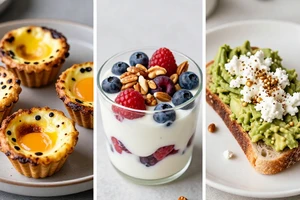
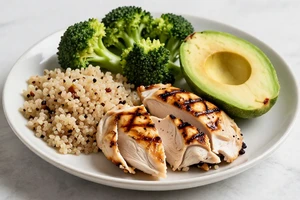
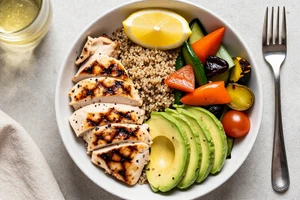
Not everyone has the time to make everything from scratch, and many processed snacks can be part of a balanced diet. The key is to be selective. Look for snacks with a short ingredient list where whole foods appear first. Favor options that combine a protein or fat source with a whole carbohydrate source—such as an apple and peanut butter, plain yogurt with berries, or a handful of almonds with a hard-boiled egg. If you do use packaged options, choose those with less than 6 to 8 grams of added sugars, at least 3 grams of fiber, and no concentrated sweetness on the first line of ingredients.
Your taste buds can change. After a week or two of cutting down on these sneaky sweet snacks, plain rolled oats, unsweetened nut milks, and even raw vegetables will start to taste sweeter and more satisfying. The cravings fade when you stop feeding them.