You've dialed in your calories. You're hitting your protein target most days. But the scale isn't budging the way you expected, and your energy feels uneven. If that sounds familiar, take a closer look at when you're eating that protein. Even a well-calculated calorie deficit can be undermined by how you distribute your protein throughout the day.
Timing matters because protein does more than build muscle. It influences satiety, thermogenesis (the energy cost of digesting food), and blood sugar stability — all of which affect your ability to stick with a deficit and keep your metabolism humming. Making a few small adjustments in your daily rhythm can often yield better results than obsessing over the last fifty calories.
The Four Common Errors
Here are the most frequent protein timing patterns that can quietly sabotage a calorie deficit, along with straightforward fixes.
1. Front-Loading the Day With Minimal Protein at Dinner
A common pattern: a carb-heavy breakfast (cereal, toast, juice), a moderate lunch, and a huge protein load at dinner — often a large portion of chicken, beef, or fish. The logic seems fine: you'll save your protein for when you can really sit down and eat. But this backfires in several ways.
Without adequate protein early in the day, blood sugar can spike after breakfast and crash mid-morning, triggering cravings and that urge to snack. You also miss the satiety benefit of protein during the hours when willpower is often weakest (the late afternoon). By dinner, you're hungry enough that you may overshoot your calorie target, negating the deficit you worked for earlier.
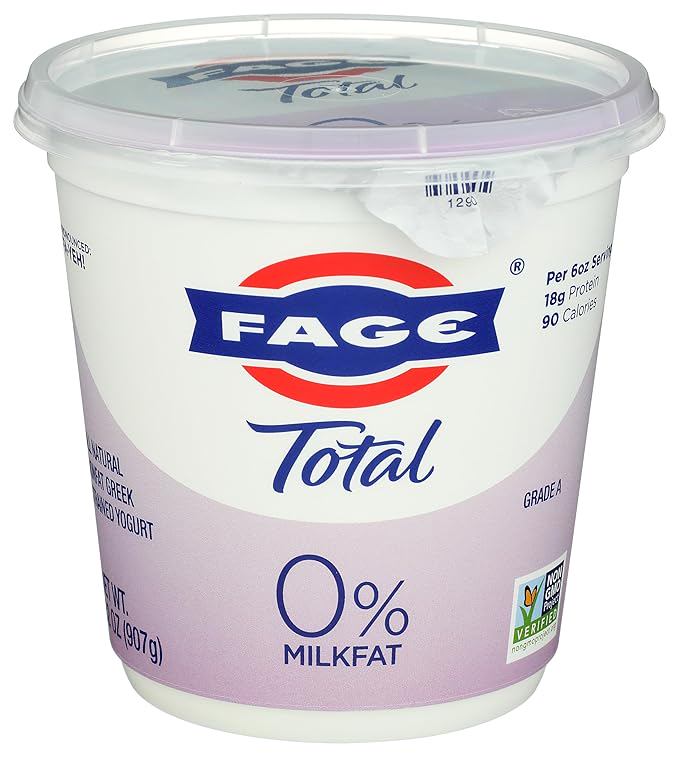
Fix: Aim to distribute protein more evenly across three meals. A good starting point is roughly 20–30 grams at breakfast, another 20–30 at lunch, and the remainder at dinner. This doesn't mean a complicated meal prep — a couple of eggs with Greek yogurt, or a protein shake with a piece of fruit, can anchor a solid start.
2. Spreading Protein Into Too Many Tiny Portions
On the flip side, some dieters try to eat small amounts of protein at every snack and meal, believing that consistent feeding keeps metabolism stoked. In practice, this often leads to a fragmented intake — 8 grams here, 10 grams there — that never reaches a threshold to meaningfully stimulate muscle protein synthesis or provide lasting fullness.
Your body processes protein more efficiently in moderate, distinct boluses. Spreading it too thin can leave you feeling less satisfied overall, which makes it harder to maintain your calorie deficit throughout the day.
Fix: Consolidate your protein into a few defined meals (three main meals, possibly one strategic snack if you're very active). Avoid grazing on small protein sources like a few nuts here, a slice of turkey there. Instead, make each eating occasion count with a purposeful serving.
3. The Pre-Bed Protein Binge
Eating the bulk of your daily protein right before sleep is common among those who skip breakfast and feel too busy to eat properly during the day. While a small, protein-rich snack before bed can support overnight muscle repair (especially for older adults or highly active people), a large dose — say, 60 grams or more — right before sleep can interfere with digestion, raise your core temperature slightly, and potentially disrupt sleep quality.
Poor sleep is a known disruptor of hunger hormones (ghrelin and leptin), making appetite regulation harder and cravings stronger the next day. A disrupted sleep cycle directly compromises the calorie deficit.
Fix: Shift some of that late-evening protein to earlier in the day. If you need an evening snack, keep it modest — a small bowl of cottage cheese or a glass of milk (about 15–20 grams of protein) is enough to support recovery without overloading your system. Finish eating at least 90 minutes before bed.
4. Timing Your Post-Workout Protein Too Late (or Skipping It Entirely)
If you exercise in a fasted state (common for morning workouts) or late into the afternoon, the timing of that first post-workout meal can have a real impact. The concept of the "anabolic window" has been softened by research — you don't need to chug a shake within 30 seconds — but waiting three or four hours to eat a protein-rich meal after a resistance workout can blunt muscle protein synthesis.
In a calorie deficit, the body is already less inclined to prioritize muscle repair. Delaying protein intake post-exercise makes that worse. Over weeks and months, you risk losing lean mass, which lowers your resting metabolic rate and makes it harder to keep weight off.
Fix: Plan to consume a protein-rich meal or snack within two hours after a strength-training session. A 25–40 gram serving works well. This could be a practical meal (chicken and rice, a tuna sandwich) or a shake. The key is simply not to skip one of the most impactful windows in your day.
One simple principle: Eat protein before cravings get loud. That single habit fixes most timing issues.
How to Test Your Own Timing
You don't need to overhaul everything at once. Pick one pattern from the list above that feels familiar. For one week, make that adjustment — for example, add a protein source to your breakfast. Keep everything else the same. Notice how your energy, hunger, and evening snacking change. Small consistent shifts in when you eat protein can help your calorie deficit work as intended, without adding new restrictions.