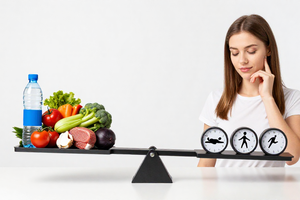

Stress eating feels automatic—you reach for something crunchy, sweet, or salty without really thinking. But those moments add up. When stress eating becomes a daily pattern, it can quietly stall your progress and turn a steady weight loss journey into a frustrating plateau. The link between stress and weight is real, and it often comes down to four specific habits that keep the scale stuck.
The good news is that recognizing these habits is the first step to breaking the cycle. Below, we look at why stress eating interferes with weight loss and what you can do to get back on track—without adding more pressure to your day.
1. Reaching for high-calorie comfort foods when stressed
When cortisol levels rise, your body craves quick energy in the form of sugar and refined carbs. That’s why a tough meeting or a long day often leads to chips, cookies, or a second helping of pasta. The problem isn’t the occasional treat—it’s the pattern of consistently choosing calorie-dense, low-nutrient foods under stress.
Over time, these extra calories create a surplus that slows or stops weight loss. The fix isn’t to eliminate comfort foods entirely; it’s to build awareness. Pause before you reach for a snack and ask whether you’re truly hungry or just responding to stress. If it’s stress, try a five-minute breathing exercise or a short walk first.
2. Eating without paying attention
Stress eating often happens on autopilot. You might eat while working, scrolling on your phone, or watching TV—and before you know it, a full bag of snacks is gone. This mindless eating makes it easy to consume hundreds of extra calories without even noticing.
To break this habit, try eating without distractions for at least one meal or snack per day. Put your food on a plate, sit down, and take small bites. Pay attention to the taste, texture, and how your body feels as you eat. This simple shift can help you recognize fullness sooner and reduce total calorie intake without strict dieting.
3. Using food as a reward after a hard day
It’s common to tell yourself, “I deserve this” after a stressful day. While that’s a compassionate thought, it can turn into a nightly ritual that undermines weight loss. When food becomes your primary reward, you train your brain to associate stress relief with eating—which makes the habit harder to break.
Consider other ways to reward yourself that don’t involve food. A warm bath, a favorite podcast, a phone call with a friend, or even 10 minutes of stretching can provide genuine comfort without adding calories. Over time, these non-food rewards can become just as satisfying.
4. Skipping meals when stressed, then overeating later
Some people respond to stress by losing their appetite during the day, only to feel ravenous at night. Skipping breakfast or lunch might seem like a way to save calories, but it often backfires. By the evening, hunger hormones are so high that you end up eating more than you would have otherwise—and often choosing less healthy options.
A more balanced approach is to eat regular, moderate meals throughout the day, even when you don’t feel hungry. Include protein, fiber, and healthy fats at each meal to stabilize blood sugar and curb intense cravings later. This prevents the cycle of restriction followed by overeating.
Small shifts in how you respond to stress can make a big difference over time. The goal is not perfection—it’s progress.
How to move past a weight loss plateau caused by stress eating
If you recognize yourself in these habits, don’t worry—you’re not alone, and you don’t need a complete lifestyle overhaul. Start with one habit that feels most relevant to you. For example, if mindless snacking is the main issue, focus on eating without distractions for one meal each day. If evening overeating is the problem, experiment with a non-food reward after work.
Tracking your eating patterns for a few days—without judgment—can also help you see where stress eating shows up. You might notice that you eat more on days with back-to-back meetings or when you haven’t slept well. This information helps you plan ahead.
Finally, be kind to yourself. Stress eating is a natural response to pressure, and changing it takes time. Focus on adding healthier habits rather than restricting. Over time, these small changes can help you break the plateau and feel more in control—whether the scale moves or not.