
You’ve carved out the time, set up your home gym corner, and you’re ready to lift. But there is one lingering question before you grab the dumbbells: What should you actually eat? The wrong choice can leave you feeling sluggish or crampy mid-session. The right choice gives you steady energy for every rep.
We talked to registered dietitians who specialize in sports nutrition to get their top four food picks for home lifting sessions. These aren’t complicated shakes or obscure supplements. They are real foods that are easy to digest, provide balanced fuel, and keep your stomach comfortable under a barbell.
Why pre-lifting nutrition matters at home
When you train at home, your pre-workout window is often shorter than it would be at a gym. You might roll out of bed, change clothes, and start lifting in 15 minutes. That changes what you can eat. A heavy, high-fat meal right before lifting will sit in your stomach and divert blood flow away from your muscles, making you feel heavy and slow.
Dietitians recommend focusing on easily digestible carbohydrates for quick energy, paired with a small amount of protein to help prevent muscle breakdown during your set. Fat and fiber should be minimized in this window, but that doesn't mean you need a sports gel. Whole foods work beautifully if you choose the right ones.
The four dietitian-approved pre-lift foods
1. A ripe banana
Bananas are almost a cliché in sports nutrition for good reason. They are portable, require no preparation, and deliver about 25–30 grams of carbohydrate in a form your body can use almost immediately. Dietitian and certified sports nutritionist Cara Harbstreet, MS, RD, LD, explains that bananas are particularly helpful for home lifters because they are gentle on the stomach. “The natural sugars—glucose, fructose, and sucrose—are rapidly absorbed, and the potassium content helps with muscle contraction and can reduce the risk of muscle cramps,” she says.
If you have 20 minutes before lifting, eat a whole banana. If you are eating it on the way to your mat, a banana is still safe. For a small boost of protein, top it with a thin spread of almond butter, but keep it light—a teaspoon, not a tablespoon.
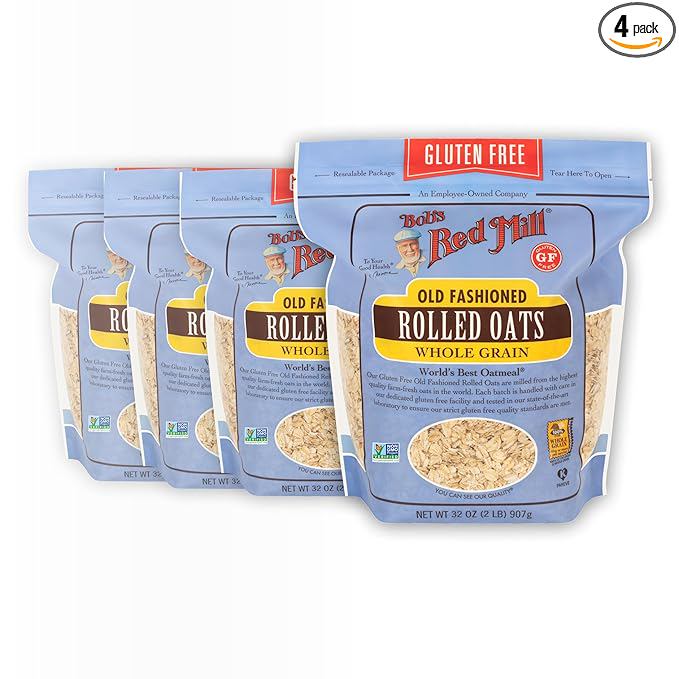
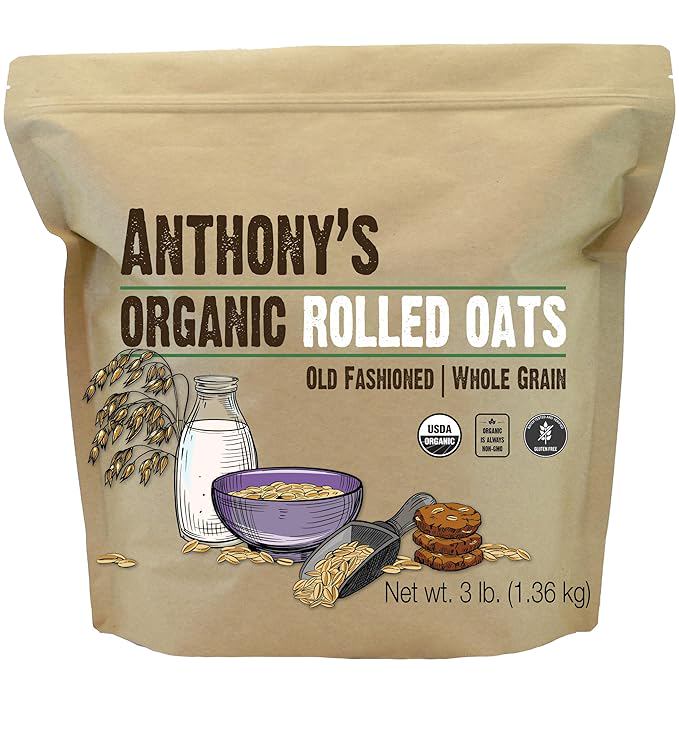
2. Oats (even if you make them the night before)
Rolled oats or quick oats provide complex carbohydrates that release energy steadily. Unlike simple sugars that spike and crash, oats offer a slower burn that can sustain you through a 40-minute strength session. Harbstreet notes that oats also contain beta-glucan, a soluble fiber that supports heart health, though she cautions that the fiber content means you should give yourself at least 45 minutes to digest before lifting.
For early morning lifters, overnight oats made with milk or a dairy alternative and a scoop of vanilla protein powder are excellent. The protein helps blunt the rise in blood sugar and keeps you satisfied. Keep toppings minimal—avoid dried fruit or heavy nut butters right before lifting. A dash of cinnamon is fine.
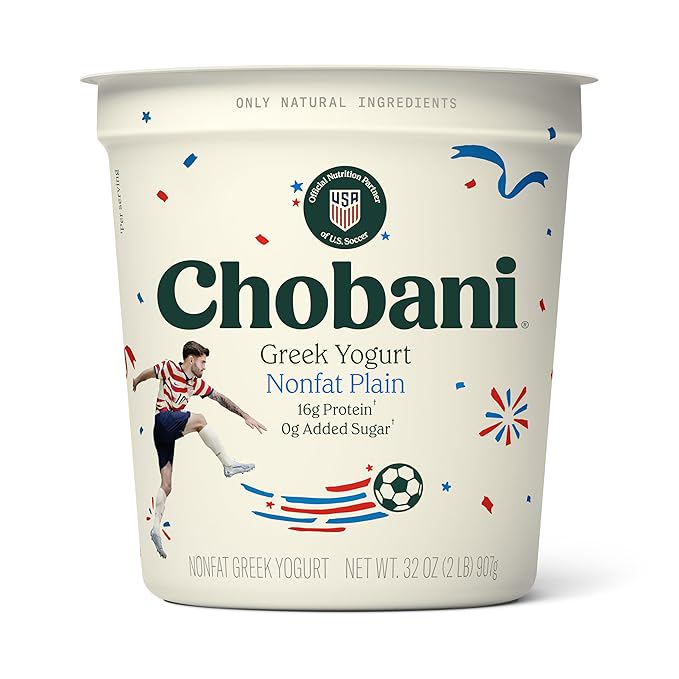
3. Low-fat Greek yogurt with honey
Yogurt is often overlooked as a pre-workout food because many versions are high in fat, which slows digestion. But low-fat or nonfat Greek yogurt hits a sweet spot. It delivers about 15–20 grams of protein per serving and a moderate amount of carbohydrate from the natural milk sugars. Add a teaspoon of honey for a quick glucose boost.
Registered dietitian Katherine Zeratsky, RDN, LD, recommends this combination for home lifters who find themselves eating 30 to 60 minutes before training. “The protein in Greek yogurt helps provide amino acids for muscle repair during and after exercise, but it isn't so heavy that it causes reflux while you are bending or pressing,” she says. Keep the portion to about half a cup—any more and the protein content may become harder to digest quickly.
4. A slice of whole-grain toast with jam
Sometimes simple is best. A single slice of whole-grain toast provides about 15 grams of carbohydrate with a small amount of fiber. Instead of butter, use a thin layer of regular fruit jam or preserves. The jam offers rapidly available sugar without the fat content of nut butters or avocado.
“This is my go-to recommendation for lifters who have zero time and need something in their stomach within 15 minutes,” says Harbstreet. “It's low in fat, low in protein, and provides just enough carbohydrate to raise your blood sugar slightly so you feel energized—not stuffed.” For a touch of protein, you can add a single slice of turkey or a thin slice of low-fat cheese, but it's not necessary for most home lifters doing moderate resistance work.
Practical timing guidelines for home lifters
Timing is just as important as the food itself. Dietitians offer these general windows:
- 15 minutes before: Banana, toast with jam, or a few dates.
- 30–45 minutes before: Small bowl of oats, Greek yogurt with honey, or half a peanut butter sandwich on white bread.
- 60 minutes or more: You can add slightly more protein and fiber, such as a full bowl of oatmeal with milk and berries.
If you prefer to train fasted, some research indicates it may be acceptable for short sessions under 45 minutes, but for most people lifting at home—especially when trying to build strength—a small, carbohydrate-focused meal improves performance and reduces muscle breakdown.
What to avoid before a home lifting session
Knowing what not to eat is half the battle. Dietitians suggest steering clear of these before your workout:
- Greasy or fried foods: They slow digestion and can cause nausea.
- High-fiber vegetables: Broccoli, cauliflower, and beans can cause bloating.
- Large protein shakes: A full scoop of protein powder in milk can be too much volume right before lifting.
- Caffeinated energy drinks: Unless you are accustomed to them, they can spike heart rate and cause jitters during heavy lifts.
Water is equally important. Dehydration mimics fatigue, and you cannot perform at your best if you are even slightly low on fluids. Sip water throughout the hour before you lift—about 8 to 12 ounces in the 30 minutes prior is a safe target for most people.
A note on individual variation
Every person digests food differently. What works for your training partner may not work for you. Dietitians encourage experimenting with these four foods during low-stakes workouts to find what feels best. Keep a simple log: note what you ate, how long before lifting, and how you felt during your session. Over a few weeks, you will identify your personal pre-workout sweet spot.
Above all, remember that the goal is steady energy, not a full feeling. If you are eating enough throughout the day, your pre-lift snack is simply the finishing touch—not the whole meal.