You've rolled out your mat, filled your water bottle, and queued up your playlist. But that drink you just grabbed might be working against your body before you even start. Hydration is a cornerstone of any effective workout, and what you choose to sip beforehand can make or break your performance.
When you exercise at home, it's easy to overlook the subtle signs of dehydration because you aren't commuting to a gym or exposed to extreme elements. However, your body still relies on proper fluid balance to regulate temperature, lubricate joints, and deliver nutrients to working muscles. Certain common beverages, often thought of as harmless or even helpful, can actually pull water from your tissues and leave you feeling sluggish or crampy before your first set of squats.
What does a dehydrating drink actually do?
A diuretic effect means a beverage encourages your kidneys to flush out more water than the drink itself contains. While no single drink will instantly dehydrate you from one sip, the compounds in some beverages can tip the scale over the course of your pre-workout routine. For a home workout, where you might not have a sports drink handy or be as diligent about sipping water between sets, this effect can be especially noticeable.
Experts in sports nutrition point to three specific categories of drinks that are most likely to compromise your hydration status before a sweat session.
1. Coffee and high-caffeine beverages
Your morning brew is a staple for many, and a small amount of caffeine can actually enhance focus and reduce perceived effort during exercise. The problem lies in the dose and timing. Drinking a large, strong cup of coffee or a sugar-laden energy drink 15 to 30 minutes before your workout gives the caffeine a quick route to your kidneys.
The mild diuretic effect of caffeine means that what goes in may come out faster than you expect. This can lead to an increased urge to urinate during your workout and a net loss of fluid, especially if you are not already well-hydrated.
The bottom line before your workout: If you rely on coffee for a pre-exercise boost, keep your serving moderate (about 6 to 8 ounces) and drink an equal amount of plain water alongside it. Avoid the oversized travel mugs or double-shot espresso drinks in the hour before you exercise.
2. Sugary sodas and fruit juices
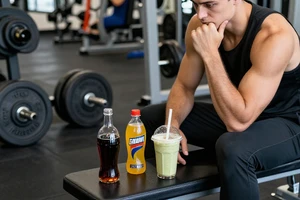
A sweet, fizzy soda or a glass of orange juice might seem refreshing, but the high concentration of sugar is a problem for hydration. Your small intestine needs to dilute high-sugar liquids before it can absorb them effectively. To do this, the body pulls water from your bloodstream and cells into your digestive tract, temporarily reducing the water available for your muscles and sweat production.
This osmotic effect can lead to a feeling of bloating and sloshing in your stomach, which is uncomfortable during a home workout involving core work or bending. The sugar spike followed by a crash in blood sugar can also drain your energy halfway through your session.
The bottom line before your workout: Stick to plain water or a very diluted electrolyte drink (no more than 6 grams of sugar per 8 ounces) for your pre-workout hydration. Save the juice and soda for a post-workout meal when your body can better use the sugar and fluids for recovery.
3. Alcohol (even light beers or hard seltzers)
This one might seem obvious, but many people still reach for a “relaxing” drink before a late-evening home workout, thinking a light beer won't matter. Alcohol is a potent diuretic. It suppresses the release of antidiuretic hormone (ADH), which normally tells your kidneys to conserve water. Without that signal, your kidneys send fluid straight to your bladder.
For every alcoholic drink you consume, your body loses significantly more fluid through urine than it took in from the beverage. Starting a workout even mildly dehydrated from one beer or seltzer can raise your heart rate, reduce your aerobic endurance, and impair your coordination—all of which increase your risk of injury on your home gym equipment.
The bottom line before your workout: For optimal performance and safety, zero alcohol should pass your lips in the two to three hours before you exercise. If you have had a drink, focus on rehydrating with water and electrolytes before you begin, and consider a lower-intensity activity like gentle stretching or walking instead.
How to hydrate smartly for a home workout
Water should be your primary beverage before, during, and after a home exercise session. A simple guideline is to drink about 8 to 12 ounces of water 30 to 60 minutes before you start. During your workout, sip water whenever you feel thirsty—don't force yourself to chug, but don't ignore your thirst either.
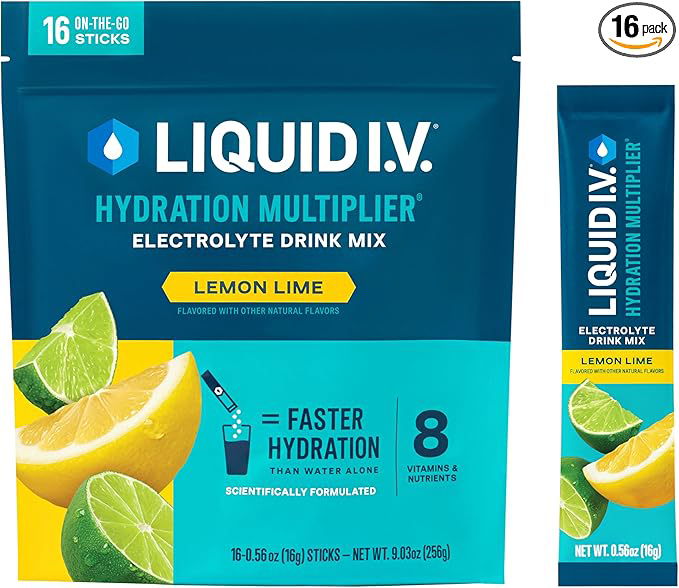
For longer or sweaty sessions (over 45 minutes), you can benefit from an electrolyte replacement drink. You can make your own by adding a pinch of salt and a squeeze of lemon to your water, which mimics the electrolyte balance of sweat without the excess sugar of commercial sports drinks.
Ultimately, your pre-workout hydration plan is simple: choose water first, keep caffeine moderate, skip the sugar bombs, and leave alcohol for your post-workout relaxation, not your pre-workout preparation. Your muscles will thank you for it.