Staying hydrated is one of the simplest things you can do for your metabolism and overall wellbeing. When you’re well-hydrated, your body functions more efficiently—digestion improves, energy levels stay steady, and cravings often quiet down. For anyone working toward weight loss, water is a powerful ally. But drinking plain water isn't the only way to stay hydrated. Many whole foods are packed with water and nutrients that support your health goals without adding many calories.
These four hydrating foods are easy to add to meals and snacks. They help you meet your fluid needs while delivering fiber, vitamins, and antioxidants—making them natural choices for weight management.
Watermelon: A Sweet Source of Hydration
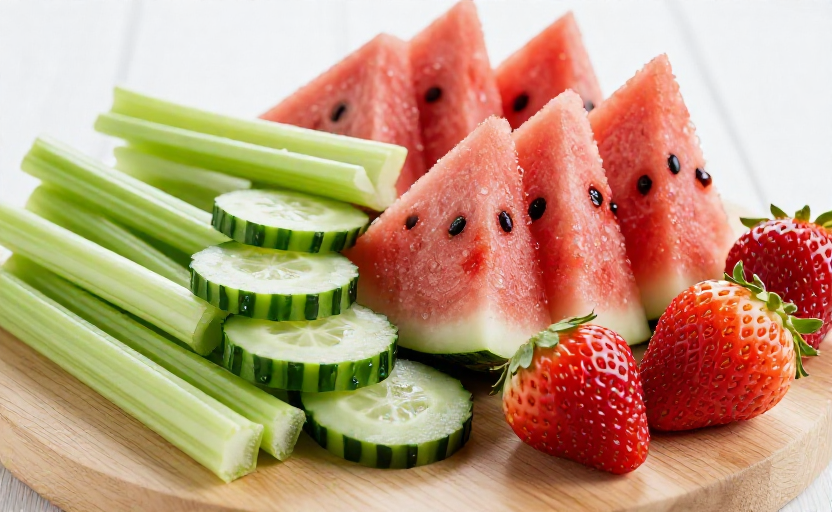
Watermelon is about 92 percent water, which makes it one of the most hydrating fruits you can eat. That high water content, combined with natural sugars and electrolytes, can replenish fluids better than plain water in some cases. For weight loss, it’s also low in calories—about 46 calories per cup of diced watermelon.
Beyond hydration, watermelon contains an amino acid called citrulline, which some research suggests may help reduce muscle soreness and improve circulation. Enjoy it as a snack, blend it into a slushy, or toss it into a summer salad with mint and lime. Just keep portions reasonable, since the natural sugars can add up if you eat a large bowl.
Cucumbers: Crunchy and Cooling
Cucumbers have a water content of roughly 96 percent, making them even more hydrating than watermelon. A cup of sliced cucumber has only about 16 calories, so you can eat a generous amount without derailing your calorie goals.
Cucumbers also provide a small amount of vitamin K and potassium, an electrolyte that helps maintain fluid balance. Their mild flavor and crisp texture make them a versatile addition to salads, wraps, or infused water. Try dipping cucumber spears in hummus or yogurt for a satisfying, hydrating snack that keeps you full between meals.
Celery: Low-Calorie Hydration Aid
Celery is made up of about 95 percent water. One large stalk has roughly 10 calories and provides a good dose of fiber, which can help you feel fuller for longer. The crunch of celery also triggers a satisfying chewing experience that can slow down your eating, giving your body time to register fullness.
Celery is also a source of vitamin A, vitamin K, and folate. Because it’s so low in calories, you can pair it with a protein-rich dip like peanut butter or Greek yogurt-based ranch for a balanced snack. Not only does this boost hydration, but it also helps stabilize blood sugar and energy levels throughout the day.
Strawberries: Sweet, Juicy, and Fiber-Rich
Strawberries have a water content of about 91 percent. One cup of whole strawberries contains around 50 calories and 3 grams of fiber, making them a smart choice for weight management. The fiber slows digestion and helps control appetite, while the natural sweetness satisfies cravings for sugary treats without the added sugar.
Strawberries are also packed with vitamin C and antioxidants like ellagic acid, which may help reduce inflammation—a factor that can influence weight loss and overall health. Eat them fresh, slice them into oatmeal, or blend them into a smoothie with leafy greens and unsweetened almond milk for a hydrating, low-calorie meal.
Quick tip: Incorporate these watery foods into every meal. Add berries to breakfast, cucumber and celery to lunch, and watermelon as an afternoon snack. This simple habit can boost your daily water intake without trying to gulp down extra glasses of water.
While these foods can support hydration and weight loss, they work best as part of an overall balanced eating pattern that includes enough protein, healthy fats, and other vegetables. Staying hydrated is just one piece of the puzzle—combining it with regular physical activity and consistent sleep will give you the best results.