When it comes to supporting your body’s natural fat-burning processes, what you eat matters—but when you eat may matter just as much. Meal timing influences how your metabolism responds to nutrients, how stable your blood sugar stays throughout the day, and how efficiently your body shifts between burning sugar and burning fat for fuel. Small, intentional food swaps can help you align your meals with your body’s daily rhythms, making it easier to tap into stored fat for energy without extreme dieting or complicated schedules.
Below are four practical food swaps that work with your body’s natural clock to optimize meal timing and encourage better fat burning. Each swap is simple enough to incorporate into a busy week, and none require special ingredients or rigid rules.
Swap a Sugary Breakfast for a Protein-First One
Your first meal of the day sets the tone for your blood sugar and insulin levels for hours afterward. A typical breakfast of sweetened cereal, toast with jam, or a store-bought muffin spikes glucose quickly, which triggers a large insulin release. High insulin locks your body into carbohydrate-burning mode and blocks access to stored fat for energy.
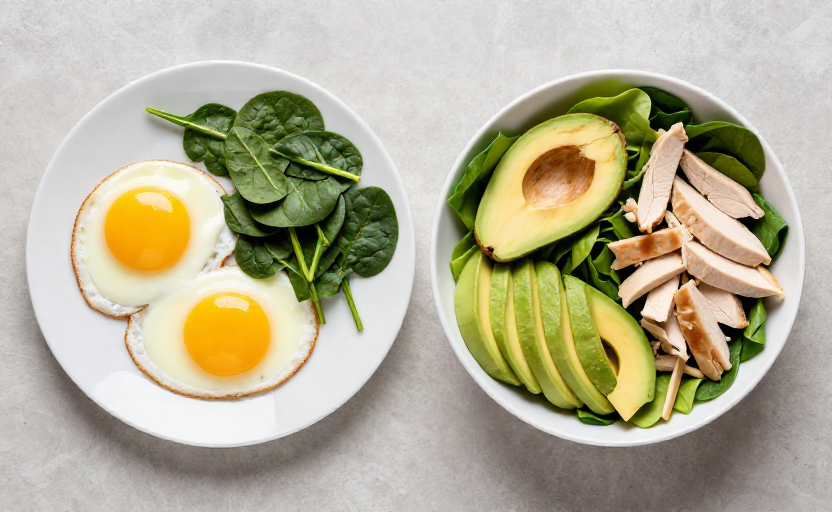
What to do instead: Choose a breakfast centered on protein and healthy fats. Think scrambled eggs with sautéed spinach, Greek yogurt with a handful of nuts and berries, or a smoothie made with unsweetened protein powder and avocado. This swap keeps your blood sugar steady and your insulin lower well into the afternoon, allowing your body to access fat stores more readily during the late-morning hours.
A protein-rich breakfast can blunt the post-meal glucose spike by up to 40 percent, according to research on glycemic response. That translates into fewer cravings and steadier energy.
Swap a Mid-Day Carb-Heavy Lunch for a Veggie- and Fat-Based One
Lunch is often where large portions of rice, bread, pasta, or potatoes sneak in. When you eat a carb-dense lunch, your body prioritizes metabolizing those carbohydrates for the next several hours. That means your metabolic machinery has less opportunity to burn fat, especially during the afternoon when your body’s natural fat-oxidation rate tends to be higher.
What to do instead: Build your lunch around non-starchy vegetables, a moderate serving of protein, and a source of healthy fat such as olive oil, avocado, or nuts. For instance, trade a sandwich or rice bowl for a large salad topped with grilled chicken, chickpeas, sliced avocado, and a vinegar-based dressing. The fiber and fat slow digestion, preventing an insulin surge and keeping your metabolism in a fat-friendly state through the afternoon slump.
Swap a Late Dinner for an Earlier Evening Meal
Eating dinner late—within two to three hours of bedtime—has been consistently linked to higher blood sugar, poorer sleep quality, and lower fat burning overnight. Your body’s circadian rhythm naturally reduces insulin sensitivity in the evening, so a large or late meal can leave glucose circulating longer, which encourages fat storage rather than fat utilization.
What to do instead: Aim to finish your last substantial meal at least three hours before you go to sleep. If that means shifting dinner to 6 or 7 p.m. instead of 9 p.m., start by moving it 30 minutes earlier each week. The result is a longer overnight fast that gives your body a proper window to switch into fat-burning mode while you sleep. A consistent early dinner also improves morning appetite regulation so you wake up naturally hungry—for that protein-rich breakfast.
Swap a Sweet Evening Snack for a Savory One
Evening cravings are common, but reaching for cookies, ice cream, or a bowl of sugary cereal just before bed floods your system with quick-digesting carbohydrates. That late-night glucose spike delays the onset of ketosis—your body’s fat-burning state during sleep—and can fragment your deep sleep cycles.
What to do instead: If you genuinely need a small snack before bed, choose something savory and low in sugar. A few slices of turkey or cheese, a handful of almonds, a hard-boiled egg, or cucumber slices with hummus all work well. These options provide protein and fat without the sugar surge, so your body can quietly maintain fat burning through the night rather than processing a glucose load.
These four swaps are not about deprivation—they are about shifting the composition and timing of what you already eat. By prioritizing protein earlier, moving carbs to earlier in the day if you eat them, and giving your body a longer overnight break from food, you encourage a metabolic environment that favors fat burning naturally. As with any dietary adjustment, consistency over several weeks yields the most noticeable results.