You do everything right: you apply a broad-spectrum SPF every morning, you reapply when you're outdoors, and you've even switched to a "non-comedogenic" formula. Yet your skin is more congested than ever. Before you swear off sun protection altogether, it's worth asking a quiet question: could the very product meant to shield your skin be the one clogging your pores?
The truth is, sunscreen can trigger breakouts in several ways—ranging from ingredient sensitivity to poor hygiene habits. Below are six early warning signs that your current sunscreen might be working against your complexion, along with practical steps to keep your skin clear without sacrificing protection.
1. Tiny Whiteheads Appear in Clusters
If you notice a crop of small, flesh-colored bumps—especially around your jawline, chin, or forehead—your sunscreen may be to blame. These are often closed comedones, the kind that form when a pore is blocked but not yet inflamed. Thick, heavy sunscreens (often the ones with a high mineral content like zinc oxide in a rich base) can settle into fine lines and sit on top of the skin, trapping sebum and dead cells underneath.
Look for a formula labeled "oil-free" and "non-comedogenic," but remember: those terms aren't regulated. A lightweight lotion or a gel-based sunscreen is usually a safer bet for breakout-prone skin.
2. Red, Inflamed Bumps That Show Up Hours Later
Not all post-sunscreen breakouts look like classic acne. Some take the form of red, tender bumps that resemble small insect bites or allergic reactions. This type of reaction usually signals contact dermatitis or an ingredient sensitivity—common triggers include oxybenzone, octinoxate, and certain preservatives like methylisothiazolinone.
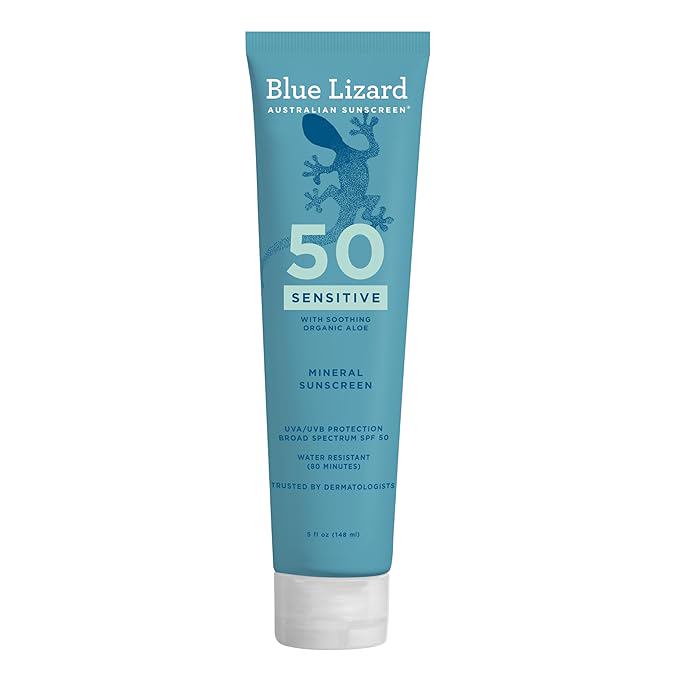
If your skin turns angry within a few hours of application, try a mineral sunscreen made with zinc oxide or titanium dioxide. These ingredients sit on the skin's surface rather than absorbing into it, and they are far less likely to provoke a reaction.
3. White Cast Accompanied by Congestion
When you apply a sunscreen and it leaves a visible white or chalky layer, something is off. That white cast doesn't just look unflattering—it often means the formula is too thick or contains high levels of unmicronized minerals. A product that leaves a visible film on your skin can also block your pores, leading to breakouts a day or two later.
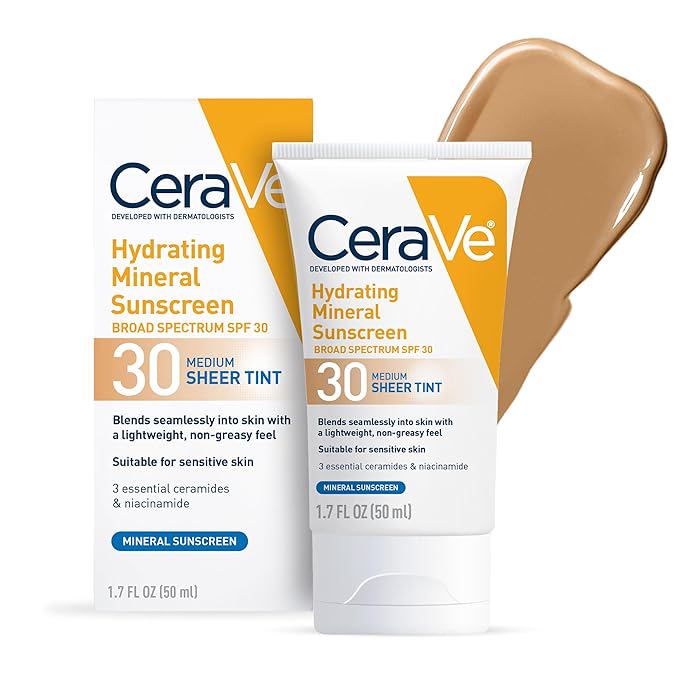
If you use a mineral sunscreen and see a cast, look for a "micronized" or "tinted" version. Tinted sunscreens use iron oxides to blend with your skin tone, and they often have a lighter, less occlusive texture.
4. Breakouts Are Concentrated Where You Sweat
If your pimples cluster along your hairline, temples, or the sides of your neck, the culprit might be sunscreen mixing with sweat. When sunscreen breaks down under heat and moisture, its texture can change. It can become runny and migrate into your eyes or drip into your hairline, or it can thicken into a paste that clogs pores more aggressively.
For workouts or hot days, choose a water-resistant, gel-based or powder sunscreen. Mineral powders with SPF can be dusted on after exercise to refresh protection without adding a heavy layer of cream.
5. Your Skin Feels Dry and Tight, Yet You're Breaking Out
It sounds contradictory, but some sunscreens can both dry out your skin and cause breakouts. Alcohol-denatured formulas, for example, evaporate quickly and feel lightweight on application, but they can strip the skin's natural moisture barrier. Once that barrier is compromised, the skin produces excess oil to compensate—and that extra oil can lead to congestion and acne.
Check your sunscreen's ingredient list for denatured alcohol high up in the list. If it's there, look for a hydrating alternative that uses glycerin, niacinamide, or squalane as a base instead.
6. New Pimples Appear After You Reapply
This sign is more about behavior than chemistry. If you reapply sunscreen by layering a fresh coat on top of old product, sweat, and environmental grime, you may be sealing in everything that can cause a breakout. Sunscreen itself isn't the problem—it's what's trapped underneath it.
To avoid this, try reapplying with a sunscreen mist or powder if you can't wash your face mid-day. Or use a gentle micellar wipe to remove the first layer before applying a fresh layer. Your pores will thank you.
A quick note: If you suspect your sunscreen is causing breakouts, don't stop wearing it altogether. UV damage is far worse for your skin than a few pimples. Instead, experiment with a different formula, patch test new products on your jawline for a few days, and consider consulting a dermatologist if the reaction is severe or persistent.
When to See a Professional
Most sunscreen-related breakouts resolve on their own once you switch to a gentler formula. But if you develop painful cysts, widespread inflammation, or a rash that spreads beyond where the sunscreen was applied, it's time to see a dermatologist. You could be dealing with a true contact allergy or a skin condition like perioral dermatitis that needs targeted treatment.
Your sunscreen is your best defense against premature aging and skin cancer. With a little detective work, you can find one that protects your skin without upsetting it.