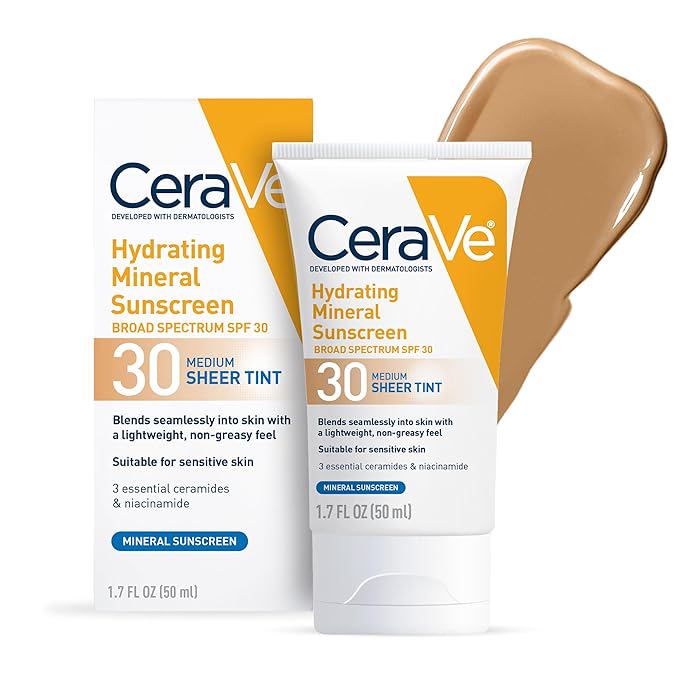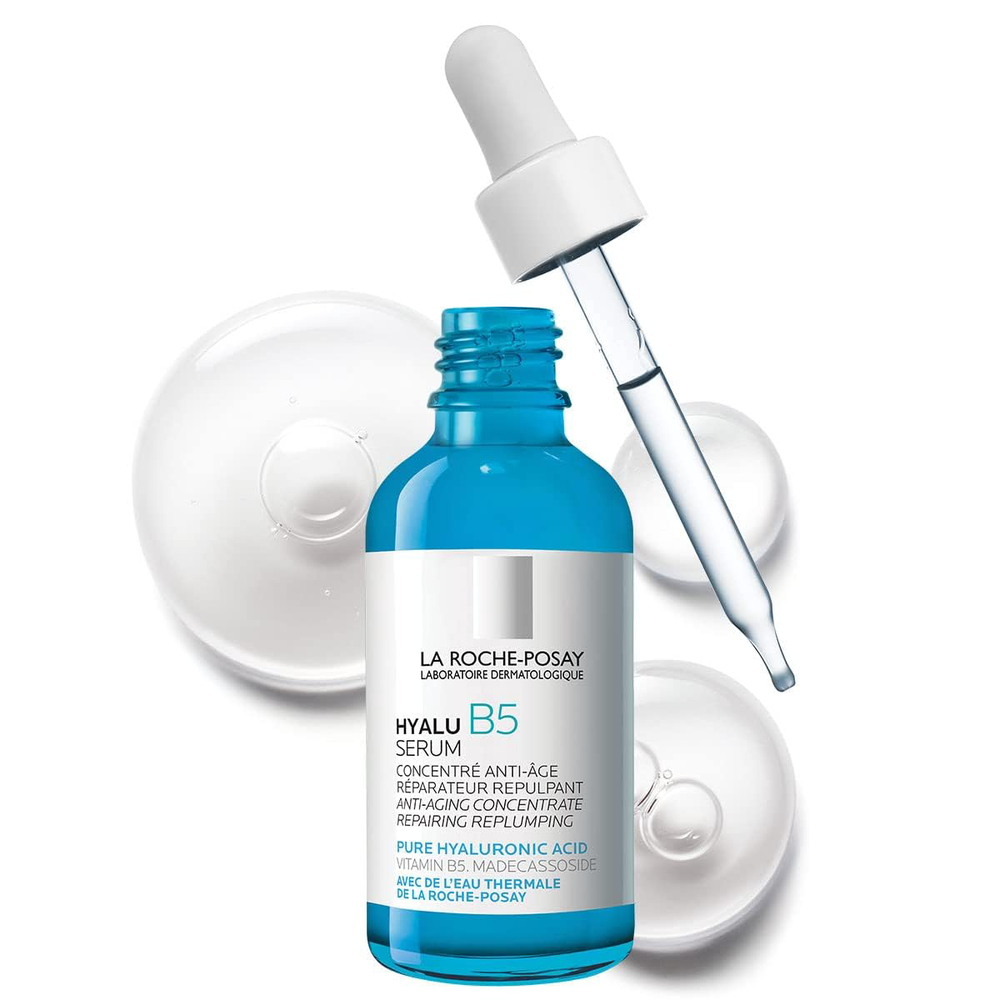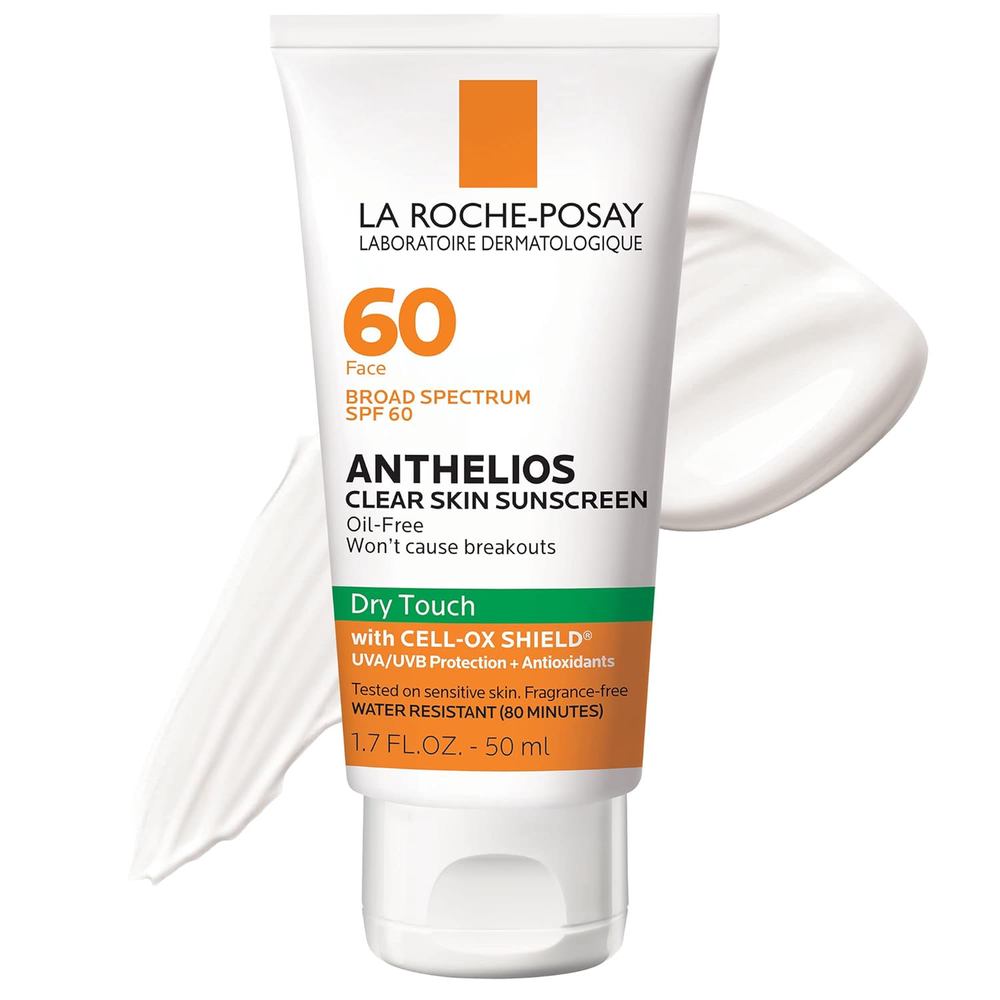
Choosing a sunscreen when you have combination skin can feel like a guessing game. You want protection from the sun, but you also need a formula that won't make your T-zone oilier or leave your cheeks feeling dry and tight. The key is learning what to look for on the label—and what to leave on the shelf.
This guide breaks down the specific ingredients, terms, and textures that work best for combination skin, so you can pick a sunscreen that actually suits your face.
What does SPF mean for your skin type?
SPF, or Sun Protection Factor, measures how well a sunscreen protects against UVB rays—the kind that cause sunburn. For combination skin, the number matters, but so does the finish. A high SPF doesn't automatically mean a greasy feel; many modern formulas offer SPF 30 or higher in lightweight bases.
Look for "broad spectrum" on the label. This term means the product also shields against UVA rays, which contribute to premature aging. If your skin is prone to both dryness and breakouts, broad-spectrum protection ensures you're covering all bases without layering multiple products.
Physical vs. chemical: Which is better for combination skin?
The two main types of sunscreen are physical (mineral) and chemical. Each has pros and cons for combination skin.
Physical sunscreens contain zinc oxide or titanium dioxide. They sit on top of the skin and reflect UV rays. These are generally less irritating, making them a good choice if your combination skin also leans sensitive. However, some older formulas can feel thick or leave a white cast, which may not blend evenly across dry and oily areas.
Chemical sunscreens absorb UV rays and convert them into heat. Ingredients like avobenzone, octisalate, and octocrylene create a thinner, more spreadable texture. Many chemical sunscreens now include mattifying agents, which help control shine on the forehead and nose while still hydrating drier patches.
For combination skin, a hybrid formula—one that blends mineral and chemical filters—often delivers the best balance of protection and comfort.
Key label terms for combination skin
Scan the front and back of the bottle for these phrases:
- Oil-free or non-comedogenic: These terms indicate the product won't clog pores, which is crucial for the oilier parts of your face.
- Hydrating or moisturizing: Look for ingredients like glycerin, hyaluronic acid, or ceramides. These help prevent the dry areas from feeling tight or flaky.
- Mattifying or shine-control: Powders or silica in the formula can absorb excess oil on the T-zone without making the whole face look matte or flat.
- Fragrance-free: Fragrances can irritate both oily and dry patches, especially if your skin is reactive.
A good rule of thumb: if the label promises both "lightweight" and "24-hour hydration," it’s likely formulated with combination skin in mind.
Texture matters more than you think
The delivery system—lotion, gel, spray, or powder—affects how the sunscreen behaves on your skin.
Gels and gel-creams are often the best match for combination skin. They absorb quickly, feel weightless, and don't leave a heavy residue. Many are water-based, so they hydrate without adding grease.
Lotions can work if they are labeled "lightweight" or "fluid." Avoid thick, buttery creams meant for dry skin, as they may slide off your oily zones by midday.
Sprays and powders are convenient for reapplication but shouldn't be your primary sunscreen. They often provide uneven coverage. Use them as a midday touch-up over a base layer of lotion or gel.
Ingredients to watch for
Not all sunscreen ingredients are created equal for combination skin. Here’s what to seek out and what to sidestep.
Look for these
- Niacinamide: Helps regulate oil production while also soothing dry patches.
- Zinc oxide: Offers gentle, broad-spectrum protection and can have a calming effect on irritated skin.
- Glycerin: A humectant that pulls moisture into the skin without making it greasy.
- Vitamin E: An antioxidant that helps keep the skin barrier healthy, especially on drier areas.
Consider limiting these
- Denatured alcohol: Often added to make sunscreen feel lighter, but it can strip moisture and worsen dryness on cheeks.
- Heavy oils: Coconut oil or shea butter can clog pores and lead to breakouts on the T-zone.
- Added fragrance: Even natural fragrances can cause irritation over time.
How to test a sunscreen for your skin
Before committing to a full-size bottle, try a sample or travel size. Apply a small amount to the side of your nose and the center of your cheek—these spots represent your skin’s extremes. Wait five minutes. If the product feels comfortable on both areas, it’s a strong candidate.
Another test: apply your morning sunscreen and check your face at lunch. If your forehead feels slick but your cheekbones feel dry, the formula may not be balanced for you. If both areas feel comfortable, you’ve found a keeper.
Building your daily routine around sunscreen
For combination skin, how you layer products matters almost as much as the sunscreen itself.
- Start with a clean face and apply a lightweight, oil-free moisturizer. Allow it to absorb for a minute.
- Apply sunscreen as the next step. Use enough to cover your entire face and neck—about half a teaspoon.
- Let the sunscreen set for two minutes before applying makeup or powder. This prevents pilling and ensures even protection.
If you wear foundation, look for a sunscreen that dries down with a natural finish. This way, you don’t need extra setting powder in some spots and hydrating mist in others.
Reading sunscreen labels for combination skin comes down to a few core habits: check for broad-spectrum coverage, pick a texture that feels good on both oily and dry areas, and choose ingredients that support balance rather than tipping the scales one way. With these guidelines, you can shop with confidence and find a sunscreen that protects your skin without fighting against it.