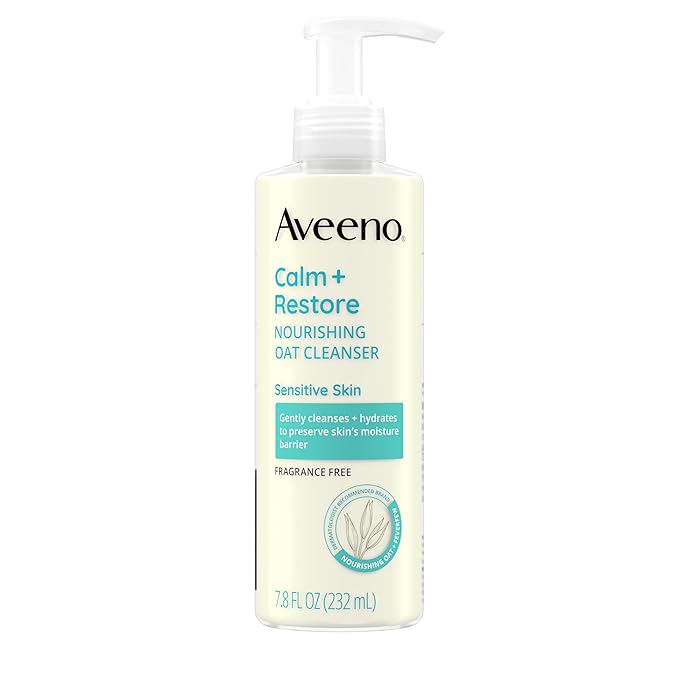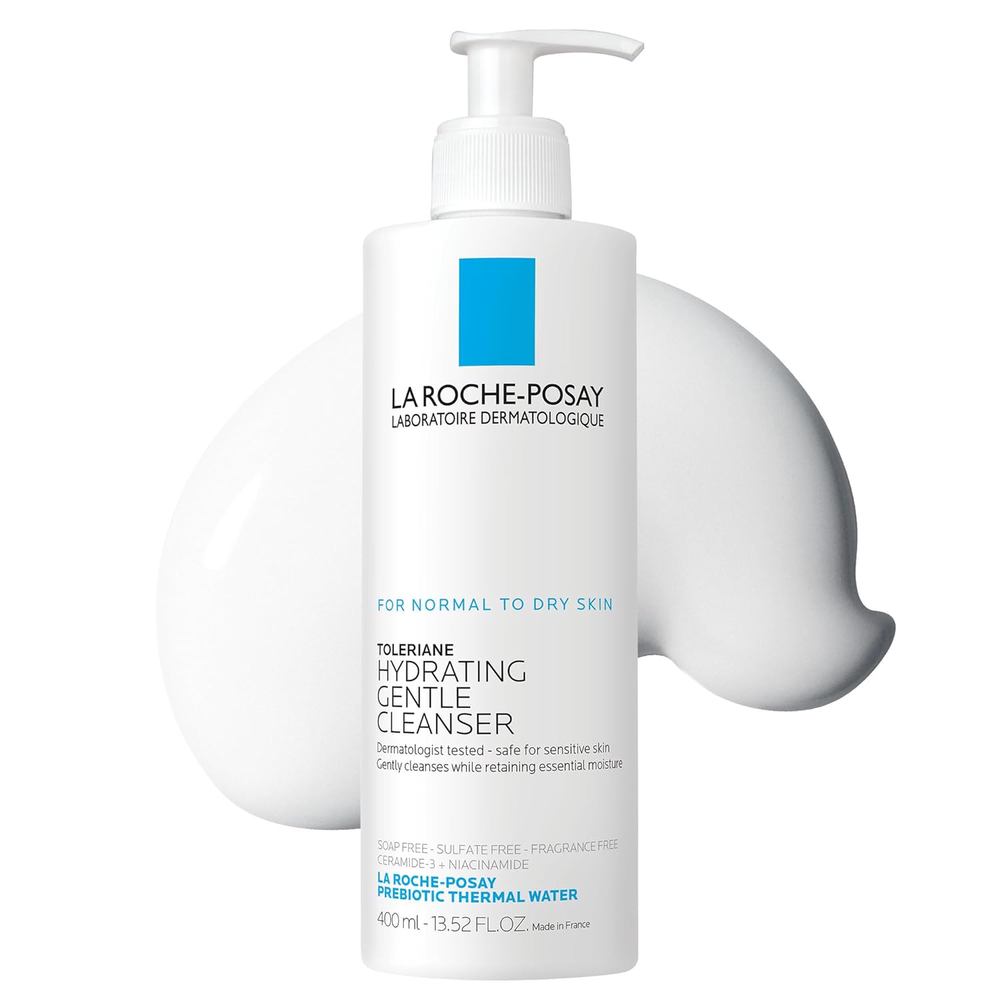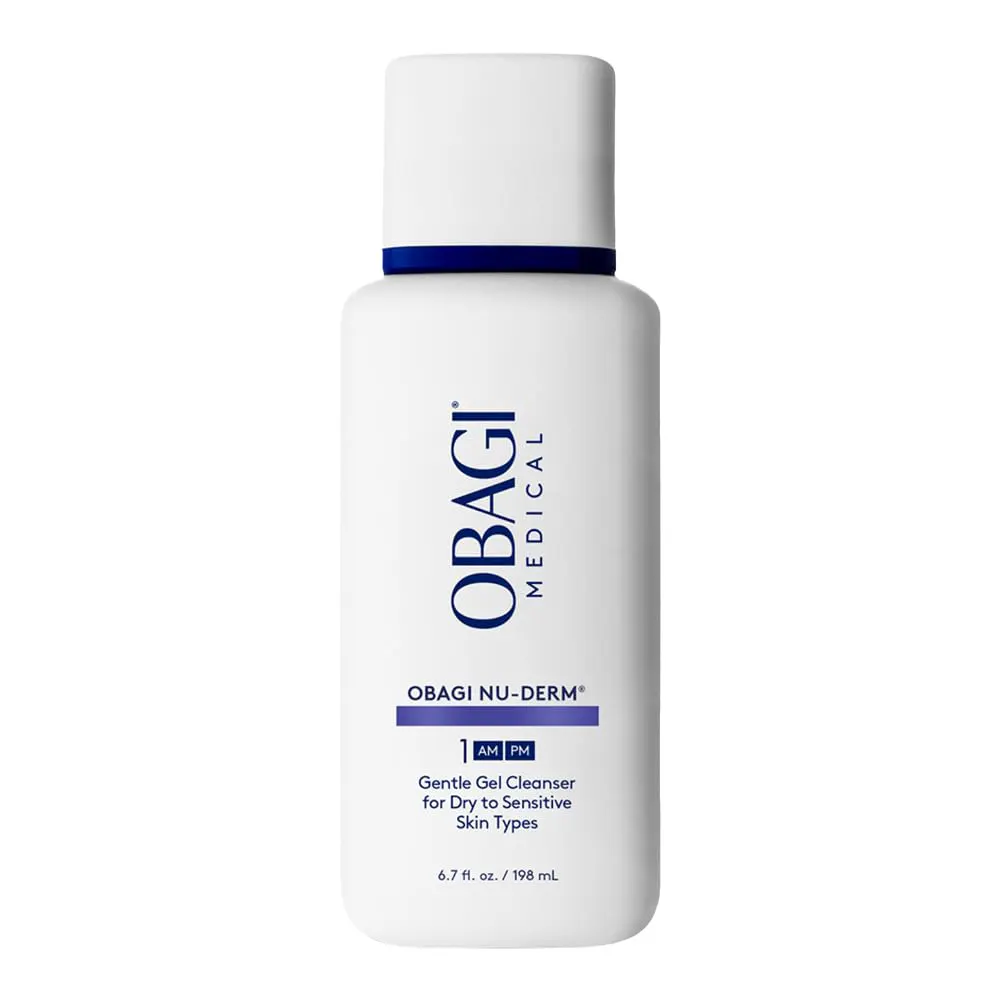

Getting your sun protection and daily hydration to work together without pilling, greasiness, or clogged pores can feel like a skincare puzzle. Many people assume they have to choose between a dewy complexion and proper UV defense, but with the right technique, you can have both. The key lies in the order you apply them, the formulations you choose, and a little patience between steps. Here are three expert-backed tips to help you layer sunscreen with moisturizer seamlessly.
1. Apply moisturizer first, then sunscreen—and wait between layers
The golden rule of layering is that sunscreen should always be the final step in your morning routine. This isn't just a cosmetic preference; it's a matter of efficacy. When you apply sunscreen over moisturizer, you create a continuous film on the skin that can properly absorb and scatter UV rays. If you reverse the order—putting moisturizer over sunscreen—you risk diluting the sunscreen's protective layer and moving it around, which can create gaps in coverage.
Just as important as the order is the timing. After you apply your moisturizer, give it at least two to three minutes to sink in before moving on to sunscreen. This short waiting period allows the moisturizer's water content to evaporate and its emollients to settle into the upper layers of the skin. If you layer sunscreen onto a still-wet or tacky moisturizer base, you invite pilling (those little balls of product that roll off your face) and uneven application. A quick pause between steps makes a noticeable difference in how smoothly your sunscreen glides on and how well it stays put throughout the day.
2. Match the base of your products for better adhesion
Skincare formulas generally fall into two camps: water-based and oil-based. A common cause of pilling and separation is mixing these two types without a proper strategy. For the smoothest layering, try to keep the base similar between your moisturizer and sunscreen. If you use a lightweight, water-based gel moisturizer, a water-based sunscreen (often labeled as a gel, lotion, or fluid) will tend to adhere better than a thick, silicone-heavy cream. Similarly, if you prefer a richer, oil-based moisturizer, look for a sunscreen with a similar emollient feel—often cream-based sunsensors or those labeled for dry skin.
This doesn't mean you have to sacrifice your favorite moisturizer. If your hydrator is water-based but your sunscreen is silicone-rich, you can still make them work by applying the moisturizer, waiting for it to fully dry, and then using a very small amount of sunscreen. Patting the sunscreen onto the skin rather than rubbing it in vigorously can also help prevent the two products from clashing. The more compatible the bases, the more likely your layers will remain invisible and comfortable.
3. Choose a moisturizer that suits your skin type and the day's conditions
Your moisturizer choice has a huge impact on how well your sunscreen performs. If you have oily or acne-prone skin, a rich, heavy cream can feel suffocating under sunscreen and may encourage breakouts. Instead, opt for a lightweight, gel-based moisturizer that provides hydration without a greasy film. Gel moisturizers often contain humectants like hyaluronic acid or glycerin, which attract water to the skin without adding excess oil. This creates a smooth, non-slick surface that sunscreens can grip easily.
For dry or dehydrated skin, a slightly richer moisturizer is fine, but try to apply a thinner layer than you might use at night. Focus on areas that feel particularly tight or flaky, and let the moisturizer absorb for a full three to four minutes before applying sunscreen. On humid summer days, you might even skip a heavy moisturizer altogether and rely on a hydrating sunscreen that contains moisturizing ingredients. The goal is to support your skin's barrier without leaving a slick residue that can cause sunscreen to slide off or break down faster.
Editor's quick tip: If you're short on time in the morning, use a moisturizer that dries quickly and has a matte finish. This cuts down the wait time and leaves a non-greasy canvas for sunscreen.
Why proper layering matters for your skin health
Layering correctly isn't just about avoiding a messy face. When sunscreen sits on top of a well-absorbed moisturizer, it forms a more uniform and durable protective film. This means better protection against UV damage, which can cause premature aging, hyperpigmentation, and skin cancer. Additionally, pilling or patchy application can leave areas of your skin under-protected, especially around the jawline and hairline. By mastering the layering technique, you ensure every inch of exposed skin gets the full SPF benefit while still enjoying the hydration your skin needs to stay balanced and comfortable.
Remember that sunscreen needs to be reapplied every two hours when you're outdoors or near windows. If you're wearing makeup, a powder sunscreen or setting spray can be a convenient way to top up your protection without disturbing your moisturizer and makeup layers underneath. With these three strategies—correct order, compatible bases, and the right moisturizer for your skin type—you can wear both moisturizer and sunscreen every day without compromise.