You track your water intake. You carry a reusable bottle everywhere. You’ve even cut back on afternoon coffee. But despite all that effort, you still feel parched, foggy, or bloated by mid-afternoon. If that sounds familiar, the culprit might not be how much you drink—but what else you’re consuming. Specifically, sugar.
Craving something sweet isn’t just a matter of willpower. When those cravings take over, they can directly undermine your hydration status in ways you might not notice until the damage is done. Here are three concrete signs that your sugar habit is quietly sabotaging your hydration goals.
1. Your mouth feels dry even after drinking water
This is one of the most confusing signals. You just finished a tall glass of water, yet your tongue feels sticky and your throat feels tight. If that’s happening regularly, look at your sugar intake over the past hour or two.
High-sugar foods and beverages—especially those with refined sugars like high-fructose corn syrup, cane sugar, or fruit juice concentrates—trigger a temporary osmotic shift in your body. Sugar pulls water from your cells into your bloodstream as your kidneys work to filter it out. This draw of fluid leaves your mouth and mucous membranes feeling dry, even if your total body water is adequate.
It’s a counterintuitive trap: you drink to hydrate, but the sugar you ate right before forces water away from where you need it most. The result is a persistent sense of thirst that plain water alone can’t seem to fix.
Quick check: If your dry mouth starts within an hour of eating a sweet snack, that’s a strong signal that sugar is disrupting your hydration balance.
2. You’re using the bathroom more often—but your urine is still dark
Frequent urination is normally a good sign when you’re trying to stay hydrated. But there’s a difference between healthy output and the kind driven by sugar.
When blood sugar spikes, your kidneys go into overdrive to excrete the excess. This process, called osmotic diuresis, pulls extra water along with the sugar into your urine. You end up peeing more frequently and in larger volumes, losing both water and electrolytes faster than usual.
Here’s the kicker: despite all that bathroom time, your urine may remain a dark yellow or amber color. That’s because even though you’re losing fluid, the sugar molecules in your urine are keeping it concentrated. Dark urine combined with frequent trips to the toilet is a red flag that your body is struggling to process a sugar load—and losing hydration in the process.
What to look for:
- Urine that doesn’t lighten up after several glasses of water
- Needing to go again within an hour after a sugary meal or drink
- A sweet smell or sticky feeling in your urine (can indicate glucose present)
3. You feel lethargic and heavy, not just tired
Everyone feels sluggish sometimes. But there’s a specific kind of low energy that accompanies poor hydration from sugar intake. It feels less like “I need a nap” and more like “my body is made of lead.”
When dehydration sets in due to sugar-driven fluid loss, your blood volume decreases slightly. Your heart has to work harder to circulate blood, and your cells operate with less-than-optimal fluid balance. Meanwhile, sugar cravings often lead to a blood sugar rollercoaster—a sharp rise followed by a crash that leaves you mentally foggy, physically weak, and craving even more sugar.
This creates a vicious cycle: you feel tired, you reach for something sweet for energy, it worsens your hydration, you get more exhausted, and the cycle repeats. If your afternoon slump feels more like a physical heaviness than mere sleepiness, sugar-induced dehydration may be the hidden driver.
How to break the cycle without white-knuckling it
Addressing this doesn’t mean you have to abandon sweetness entirely. The goal is to reduce the osmotic load on your cells while still satisfying genuine cravings.
- Pair sugar with fiber or protein. Eating a piece of fruit alone can spike your blood sugar; eat it with a handful of almonds or yogurt to slow absorption and reduce the diuretic effect.
- Hydrate before you eat sweets. Drink a full glass of water 10–15 minutes before you indulge. This pre-loads your system with fluid before sugar starts pulling it away.
- Swap liquid sugar for whole sources. Soda, sweetened coffee drinks, and fruit juice are the worst offenders for hydration. A piece of whole fruit or a small square of dark chocolate has less concentrated sugar and more water or fiber.
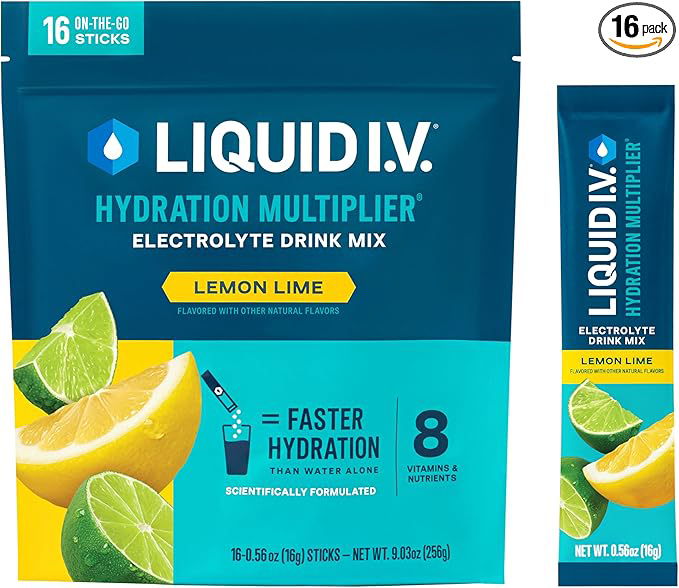
- Add electrolytes. A pinch of salt or a splash of electrolyte powder in your water can help your body retain fluid better when you do consume sugar.
Once you recognize these three warning signs, you can take small, targeted steps to protect your hydration without fighting your cravings head-on. Your water bottle will thank you.