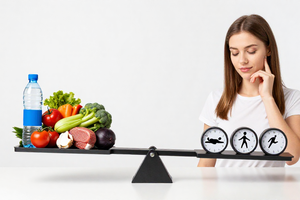
Protein is the cornerstone of any fat-loss plan. It preserves muscle, keeps your metabolism humming, and helps you feel satisfied between meals. But many people, especially those trying to lose weight, inadvertently eat too little protein—and it shows. When your intake drops below what your body needs to maintain lean tissue, your fat-loss progress can stall or even backfire, leaving you losing muscle instead of fat.
Here are three clear signals that you might not be getting enough protein to support your fat-loss goals—and what to do about it.
1. Your energy crashes and you crave sugar
Protein helps stabilize blood sugar by slowing the digestion of carbohydrates. When you skimp on protein, your meals break down faster, leading to a rapid rise and then a sharp drop in blood sugar. That drop triggers cravings for quick energy—usually in the form of sugar or refined carbs.
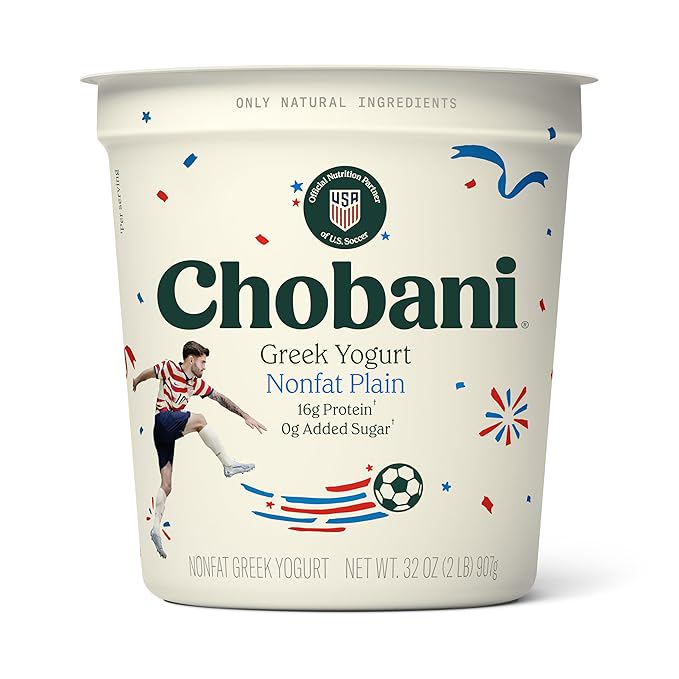
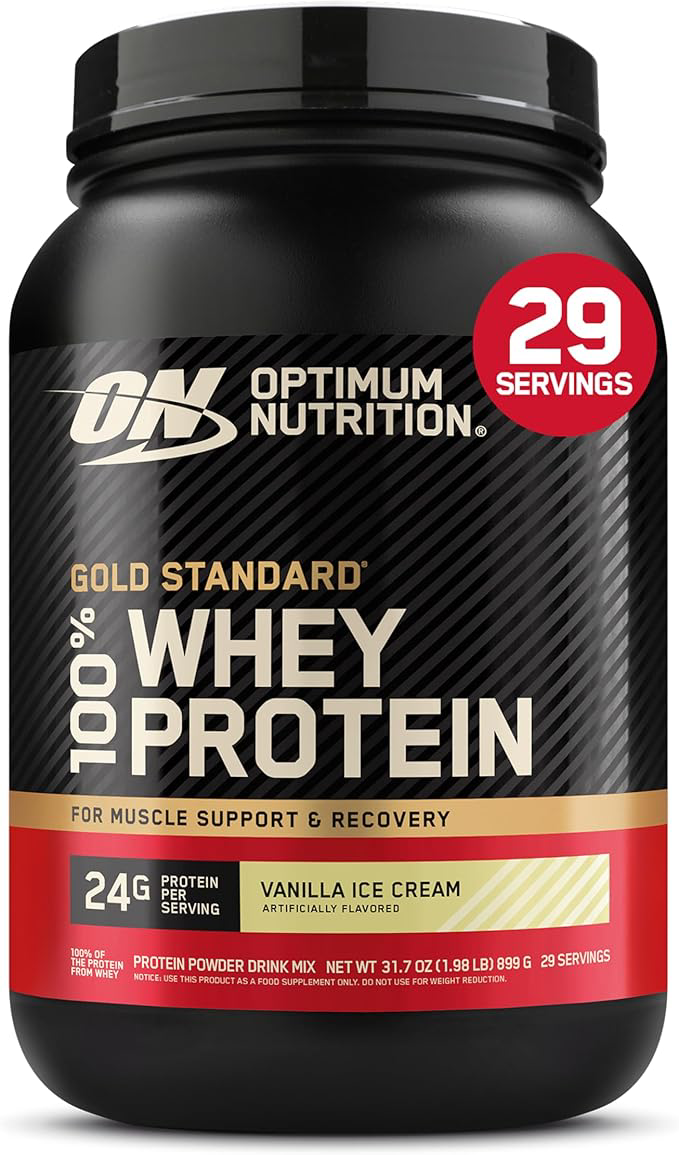
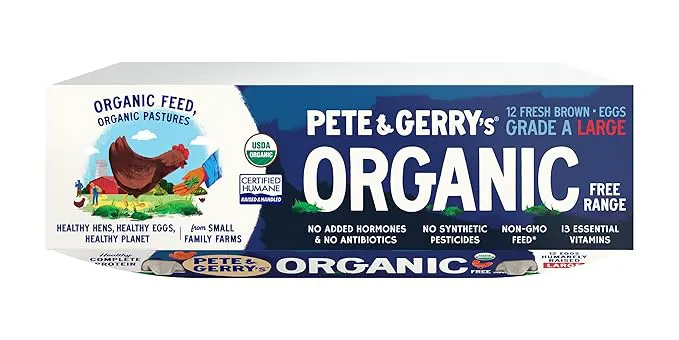
If you find yourself reaching for a sweet snack an hour or two after meals, or if you feel sluggish and mentally foggy in the afternoon, low protein could be the culprit. A breakfast that is mostly carbs, for example, might leave you hunting for a donut by 10 a.m. Adding a protein source—eggs, Greek yogurt, or a quality protein shake—can smooth out that energy curve and keep cravings at bay.
2. You are losing weight but your body composition isn’t improving
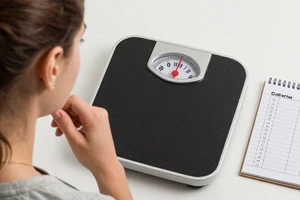
It is possible to see the number on the scale drop while your body fat percentage stays the same—or even creeps up. That happens when you lose muscle along with fat. Muscle is metabolically active; it burns calories even at rest, so losing it slows your overall metabolic rate. If your weight is going down but your clothes fit the same way, or if you feel weaker during workouts despite losing pounds, you are likely sacrificing muscle.
Protein is the raw material for muscle repair and growth. Without enough of it, your body will break down muscle tissue for energy, especially during a calorie deficit. Aim for consistent protein intake across the day—about 20 to 30 grams per meal is a good general target for most active adults—to help preserve lean mass while you shed fat.
3. Your workouts feel harder and recovery takes longer
Exercise creates microscopic tears in muscle fibers; protein provides the amino acids needed to rebuild them stronger. If your intake is insufficient, you may notice that your usual workout feels exhausting, your strength plateaus or drops, and you feel sore for days after training. This isn’t just about discomfort—it signals that your body cannot repair itself properly, which undermines your ability to exercise consistently and burn calories.
When recovery lags, the natural tendency is to skip workouts, which further slows fat loss. Adequate protein supports faster recovery, better performance, and the consistency that drives results. A post-workout meal or snack containing protein within two hours of exercise can make a meaningful difference.
How much protein do you actually need?
General guidelines for healthy adults recommend around 0.8 grams of protein per kilogram of body weight per day simply to prevent deficiency. But for fat loss, especially if you are active, research supports higher intakes—typically 1.6 to 2.2 grams per kilogram. That is roughly 0.7 to 1 gram per pound of body weight for most people. Spreading that protein across meals, rather than eating a large portion only at dinner, helps maximize muscle protein synthesis throughout the day.
If you are not sure where you stand, try tracking your intake for a few days using a food-logging app. Common sources of protein include chicken, fish, eggs, dairy, tofu, legumes, and protein powders. If your current diet falls short, even a modest increase can help jump-start fat loss and protect your muscle.
Paying attention to these signals can help you adjust your diet before you lose the muscle you want to keep. If you are experiencing any of these signs—persistent cravings, slow body composition changes, or poor recovery—consider reviewing your protein intake as a first step. Small, consistent adjustments often yield the most sustainable results.