
You finish a solid strength session, you eat within that so-called anabolic window, and you feel like you’ve checked all the boxes. But recovery isn’t just about timing—it’s about what your body actually does with the fuel you give it. If your muscles feel stagnant, your energy is flat, or your digestion is off, your post-workout meal might be working against you rather than repairing the damage.
Here are three concrete signs that your recovery nutrition needs a reset, along with clear, science-backed adjustments you can make without overhauling your entire diet.
1. You Feel Heavy, Bloated, or Sluggish After Eating
A post-workout meal should leave you feeling refueled, not weighed down. If you frequently experience bloating, gas, or a sense of lethargy within 30 to 60 minutes of eating after exercise, the culprit is often the macronutrient mix or the timing of fiber and fat intake.
Why it happens
During strength training, blood flow is diverted away from the digestive tract toward working muscles. After you finish, your body needs to gradually shift resources back. Dropping a heavy, high-fat, or high-fiber meal (think: a greasy burger with a side of broccoli) on a system that’s still in recovery mode can cause gastrointestinal distress. Fats and fiber slow gastric emptying, meaning the food sits in your stomach longer while your muscles wait for amino acids and glycogen replenishment.
What to do instead
For the immediate post-workout period—within the first 45 minutes—prioritize fast-digesting protein and carbohydrates with minimal fat and fiber. A shake with whey or plant protein powder mixed with fruit juice, or a serving of white rice with grilled chicken breast, will enter your system quickly. Save the avocado, nuts, and high-fiber vegetables for your next meal, about two hours later, when your digestive system is back online.
A simple test: swap your usual meal for a 3:1 or 4:1 carb-to-protein shake and see if the bloat disappears within a few days. If it does, your gut was working overtime, not your muscles.
2. Your Muscle Soreness Lingers Longer Than 72 Hours
Delayed onset muscle soreness (DOMS) is normal after a challenging workout. But if you’re still wincing when you sit down or climb stairs three or four days later—despite eating what you think is a recovery meal—the balance of nutrients you’re consuming might be off.
Why it happens
Muscle repair demands more than just protein. Without adequate carbohydrates to replenish muscle glycogen, your body struggles to mount an effective repair response. Your nervous system also needs support; omega-3 fatty acids play a role in reducing systemic inflammation, and electrolytes (especially magnesium and potassium) are required for proper muscle relaxation and nerve signaling. A meal that’s high in protein but low in carbs and missing key micronutrients can leave you in a prolonged inflammatory state.
What to do instead
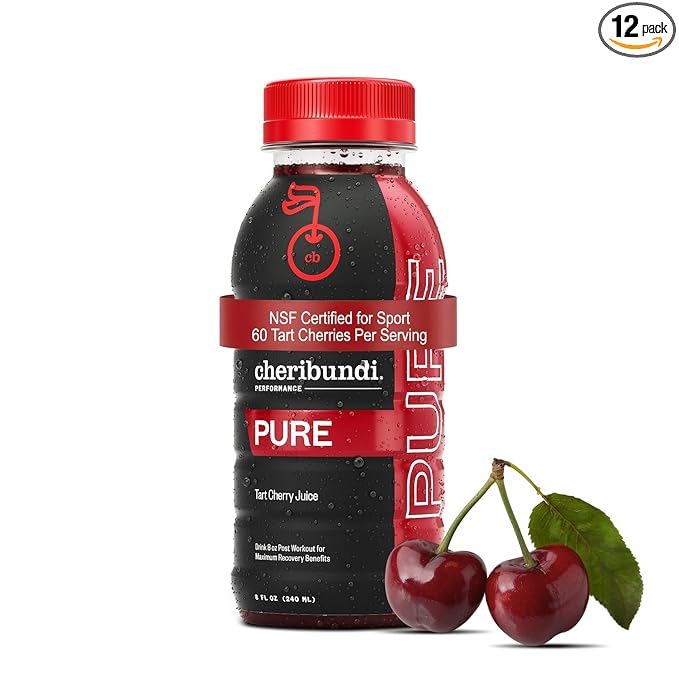
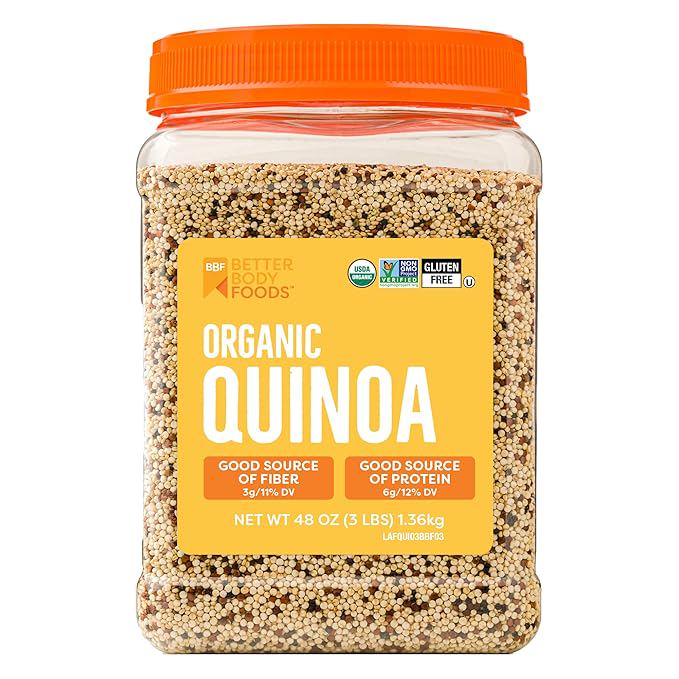
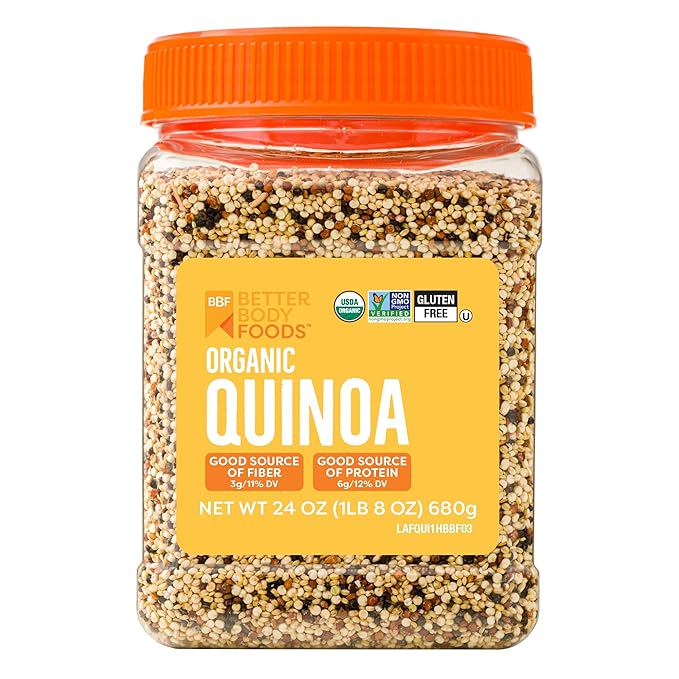
Check your plate for color and carbohydrate density. Add a serving of sweet potato, quinoa, or a banana to your protein source. Consider including a small amount of anti-inflammatory fat like a tablespoon of olive oil drizzled over roasted vegetables, or eat a handful of walnuts later in the day. If you sweat heavily, include a source of electrolytes—tart cherry juice is a natural option with research supporting reduced muscle soreness, or simply salt your food well after a heavy session.
3. Your Strength Gains Have Stalled for Weeks
If you’re lifting consistently but your numbers aren’t moving up—or worse, they’re dropping—your recovery nutrition may be the bottleneck. This is different from a normal plateau that lasts a few sessions; we’re talking about a plateau that persists for three to four weeks despite progressive overload in the gym.
Why it happens
Muscle protein synthesis (MPS) is the process that repairs and builds muscle tissue after strength training. For MPS to be maximized, you need a sufficient dose of leucine, the amino acid that acts as the primary trigger for protein synthesis. If your post-workout meal provides only 10 to 15 grams of protein from a low-leucine source (such as collagen or a plant blend without complementary amino acids), you may not be reaching the leucine threshold needed to switch on repair. Additionally, if you are eating in a calorie deficit or skimping on total daily protein, your body may break down existing muscle tissue for energy rather than building new fibers.
What to do instead
Aim for at least 20–40 grams of high-quality protein per post-workout meal, with a focus on leucine-rich sources: whey, chicken, fish, eggs, or soy isolate. If you’re vegan or vegetarian, combine pea and rice protein powders in a shake, or eat a serving of tofu plus a quinoa-based grain bowl. Beyond the immediate post-workout window, spread your protein intake across four to five meals per day, roughly every 3–4 hours, to keep MPS elevated around the clock.
Quick Recap: When to Make a Change
- If you bloat quickly after eating, shift to low-fat, low-fiber carbs + protein right after your session.
- If soreness drags on, add complex carbs and a small amount of anti-inflammatory fat to your plate.
- If strength plateaus persist, increase total protein (especially leucine) and confirm you’re eating enough calories overall.
Post-workout nutrition isn’t one-size-fits-all, but it is science-driven. Pay attention to these signals—your body is giving you real feedback. Adjust one variable at a time, give it a week, and see if the feeling of recovery improves. That’s how you turn a stalled routine into a long-term win.