We often think of large pores as a fixed trait—something you either have or you don't, thanks to genetics. But if you've noticed your pores looking more prominent than usual, it might not be a permanent change. Your diet could be playing a bigger role than you expect. While genetics do set a baseline, what you eat can influence skin inflammation, oil production, and collagen integrity, all of which affect how large your pores appear.
Here are three specific warning signs that your increase in pore size might be tied to what's on your plate, along with the science behind each link.
1. You notice more oiliness and shine a few hours after eating
If your T-zone looks slicker and your pores seem wider after a high-sugar or high-glycemic meal, you are seeing a real physiological response. Foods that spike blood sugar—think white bread, sugary cereals, soda, and pastries—trigger a rise in insulin. Insulin can stimulate the sebaceous glands to produce more sebum, or oil. That excess oil stretches the pore walls, making them look larger and more open.
This is not about a single cookie. The pattern matters: if consistently high-glycemic eating leaves your skin oilier by midday, your diet could be the driver. Skin-health experts have linked high-glycemic diets not just to acne but also to a visible increase in pore size. The good news is that swapping in lower-glycemic options, like whole grains, legumes, and vegetables, often helps bring oil production back to baseline.
A simple test: after three days of cutting back on added sugars and refined carbs, check if your skin feels less greasy and your pores look tighter.
2. Your skin feels less firm, with pores that look stretched or elongated
Pores that appear elongated or teardrop-shaped rather than round often signal a loss of skin elasticity. Collagen and elastin are the structural proteins that keep skin firm and pores tight. A diet low in antioxidants and essential nutrients can accelerate collagen breakdown, leaving the skin around each pore less supportive. When the supporting matrix weakens, pores can sag and appear larger.
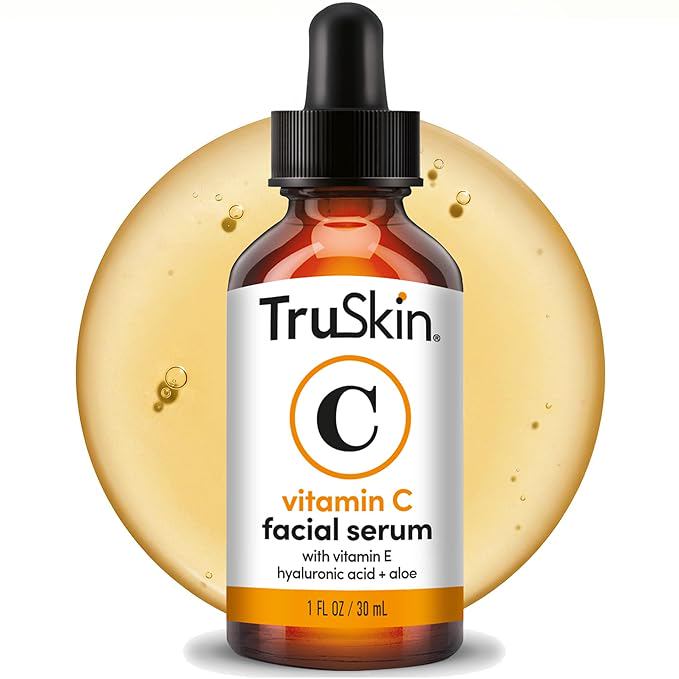
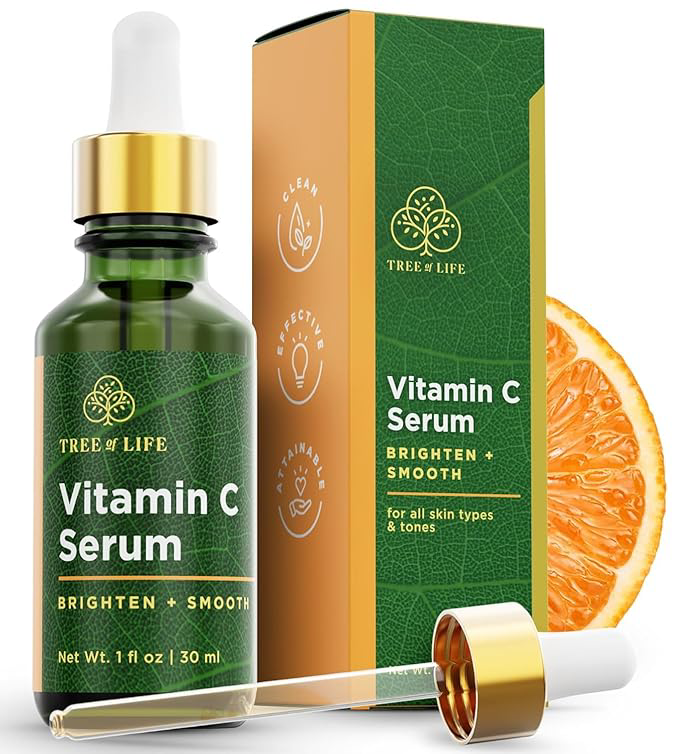
Warning signs in your eating pattern include a diet heavy in ultra-processed foods (chips, fast food, processed meats) and sugar, while being low in vitamin C, zinc, and omega-3 fatty acids. Vitamin C is a direct cofactor for collagen synthesis. Zinc helps regulate oil and supports tissue repair. Omega-3s from sources like fatty fish and flaxseed help control inflammation that degrades collagen over time.
If you notice your pores starting to look less round and more like small craters or furrows—especially around your cheeks and jawline—take a look at your antioxidant intake. Adding berries, leafy greens, nuts, and fish can help protect the collagen you have.
3. You have persistent redness or breakouts around your nose, chin, or cheeks
Inflammation is a known pore enlarger. When the skin is chronically inflamed—either from acne, rosacea, or a general immune response—the tissue around the pore swells. That swelling pushes the pore opening wider, and if inflammation continues, the pore can become permanently dilated.
Certain foods are common inflammation triggers for some people. Dairy, particularly skim milk, has been associated with acne and inflammatory skin reactions in susceptible individuals. High-sugar foods, alcohol, and refined oils can also promote inflammatory signaling in the body. If you have recurring red bumps, tenderness, or just general redness that coincides with diet choices, your pores are taking the brunt.
Keeping a food-and-skin diary can reveal the connection. You might find that a heavy dairy intake or a few days of indulgent eating coincides with visible redness and larger-looking pores. For some, an elimination approach under a healthcare provider's guidance can clarify the link.
What to do if you suspect a diet-pore connection
None of this means you need to follow a rigid or restrictive diet. Pore size is influenced by multiple factors, and diet is just one lever. Start by focusing on what you can add, not just what to avoid: more colorful vegetables, whole fruits, lean proteins, healthy fats, and staying well hydrated.
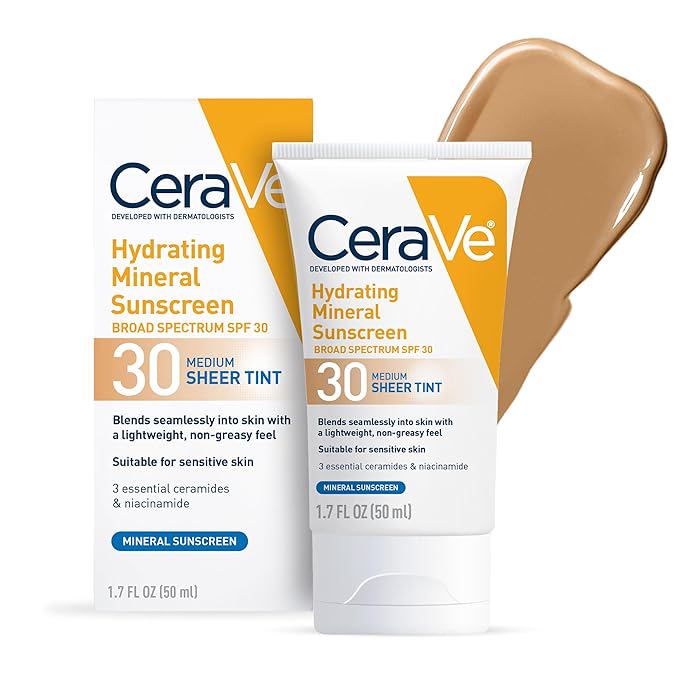
In terms of skin care, pair your dietary changes with gentle exfoliation (using salicylic acid or a mild AHA) and non-comedogenic moisturizers. Sunscreen is essential—UV damage breaks down collagen and makes pores look larger. A consistent routine that supports the skin barrier will help you see the benefits of your improved eating habits.
If your pores have grown over several months and are accompanied by other symptoms like significant redness, pain, or breakouts that don't respond to diet changes, consult a board-certified dermatologist to rule out underlying conditions like rosacea or hormonal imbalance.