You already know that water is essential for life, but did you know that even mild dehydration can put the brakes on your metabolism? Your body relies on adequate hydration for countless chemical reactions, including the ones that convert food into energy. When you are running low on fluids, those processes slow down. The tricky part is that the early signs of dehydration are easy to dismiss or blame on something else. Here are three specific warning signs that your hydration levels might be dragging down your metabolic rate.
1. You feel tired and foggy, even after a full night's sleep
One of the first places dehydration hits is your energy and focus. Your brain is about 73 percent water, so when fluid levels drop, cognitive function dips. You might find yourself reaching for a second cup of coffee, feeling sluggish in the afternoon, or struggling to concentrate on simple tasks. This mental fatigue is directly linked to your metabolism. Your body has to work harder to maintain basic functions when blood volume decreases from dehydration, which can lower your resting metabolic rate. If you are feeling persistently groggy despite adequate sleep, a glass of water may be a better first step than another caffeine hit.
2. Your digestion feels off—bloating, constipation, or irregularity
Your digestive system relies on water to break down food, absorb nutrients, and move waste through your intestines. When you are dehydrated, your body pulls water from your stool, leading to harder, drier bowel movements and constipation. A sluggish gut can make you feel bloated and uncomfortable, but it also affects your metabolism indirectly. If your body cannot efficiently absorb the nutrients from your meals, your energy production suffers. Chronic low-grade dehydration can keep your digestive tract moving slowly, which means fewer calories are burned through the normal process of digestion (known as the thermic effect of food).
3. You feel hungry soon after eating, or you crave salty snacks
Thirst is often mistaken for hunger because the same part of the brain—the hypothalamus—regulates both sensations. When you are dehydrated, your body may send out hunger signals when what it really needs is fluid. If you find yourself craving salty foods, that is another clue. Your body may be trying to retain water by pulling in more sodium, which can temporarily mask dehydration. Eating when you are actually thirsty adds unnecessary calories and can interfere with your body's natural hunger and fullness cues. Over time, this pattern can disrupt metabolic regulation and make it harder to maintain a healthy weight.
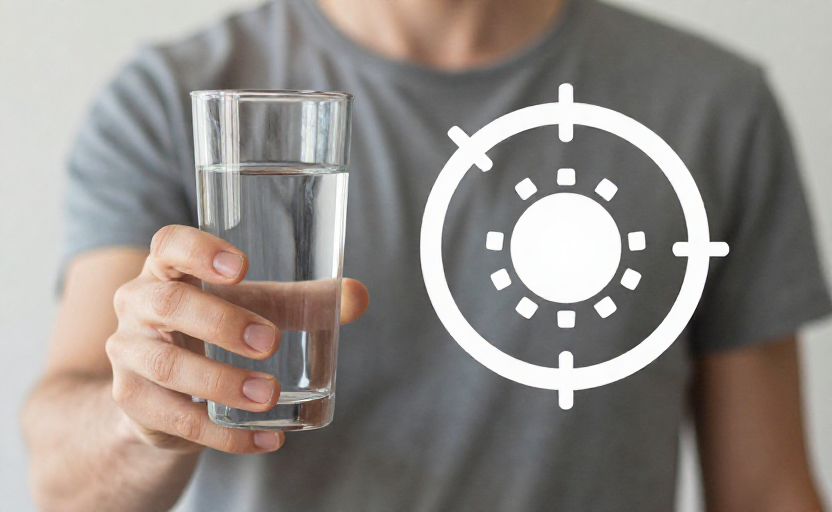
A simple test: if you feel hungry shortly after a balanced meal, drink a full glass of water and wait 15 minutes. You may find the craving vanishes.
How to check your hydration status
Beyond these warning signs, a quick way to gauge your hydration is by looking at your urine color. Pale yellow (the color of lemonade) generally means you are well-hydrated. Dark yellow or amber suggests you need more fluids. Another reliable indicator is your thirst—if you are feeling thirsty at all, you are already mildly dehydrated. Aim to sip water steadily throughout the day rather than chugging large amounts at once.
Putting it together
Your metabolism is a complex system, and hydration is just one piece of the puzzle. But it is a piece you can address immediately and without cost. If you are experiencing persistent fatigue, digestive sluggishness, or confusing hunger signals, low water intake may be a contributing factor. Start by increasing your daily water intake and notice if those symptoms improve. For most people, simply drinking when thirsty and keeping urine pale is enough to support a healthy metabolic rate.