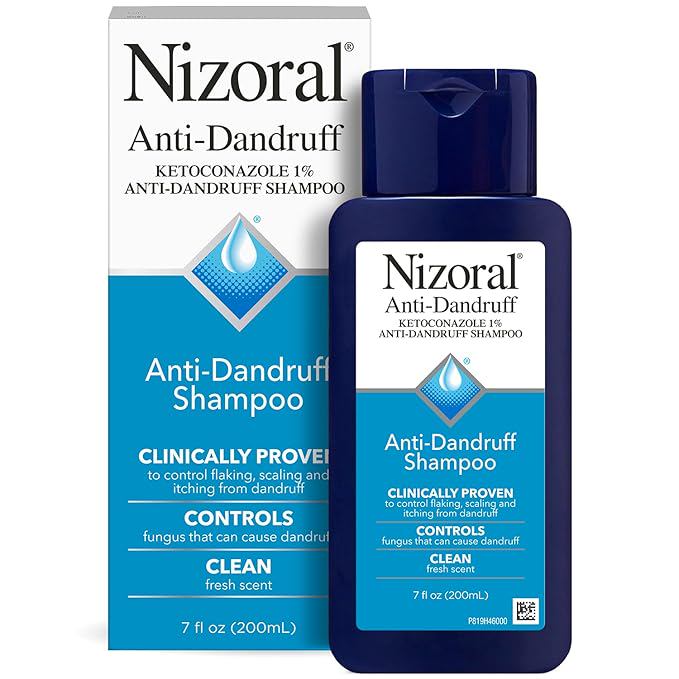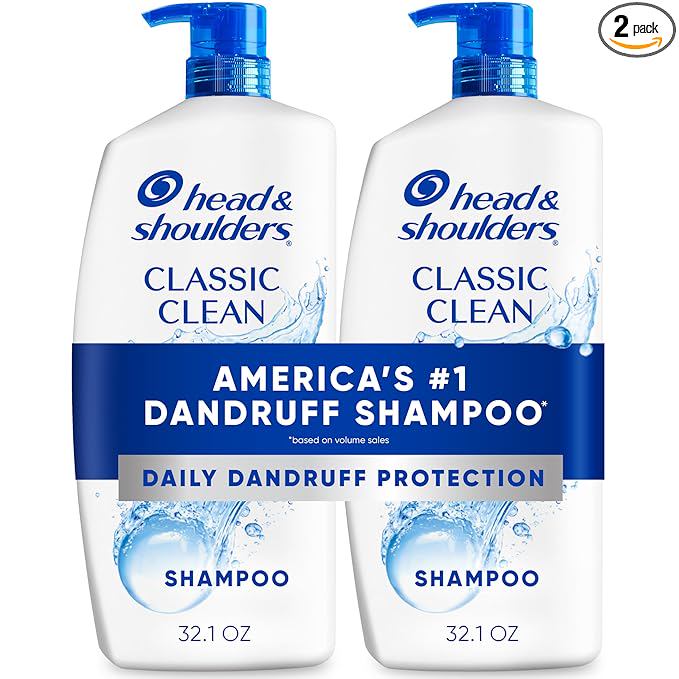

You’ve tried dandruff shampoos, switched conditioners, maybe even cut back on styling products. Yet your scalp still feels tight, itchy, or shows persistent flakes. Before you blame your routine, take a look at what’s coming out of your tap. Hard water—water high in calcium, magnesium, and other minerals—doesn’t just leave spots on glassware. For many people, it can directly contribute to scalp irritation and flaking that regular treatments fail to fix.
Hard water minerals interact with both your skin’s natural oils and the ingredients in your shampoos and soaps. Instead of rinsing away cleanly, they can form a thin, clingy residue on your scalp. Over time, that buildup can disrupt the skin barrier, dry out the scalp, and create an environment where irritation thrives. Below are three distinct warning signs that your hard water might be the hidden trigger behind your scalp troubles.
Persistent Itching That Doesn’t Respond to Anti-Dandruff Products
Itchiness is common with many scalp conditions, but hard-water-related itching has a particular pattern. You may notice the sensation soon after washing—your scalp feels tight, prickly, or mildly burning even while your hair is still damp. Standard anti-dandruff shampoos containing zinc pyrithione or selenium sulfide may provide temporary relief, but the itch usually returns within a day or two. That’s because these products are designed to fight yeast (Malassezia), not to dissolve mineral deposits.
When calcium and magnesium salts build up on the scalp, they can physically block hair follicles and irritate nerve endings. The result is a persistent, low-grade itch that feels different from the sharper, dandruff-related itch often accompanied by large, oily flakes. If your scalp feels better when you travel to an area with soft water or after using a clarifying treatment, hard water is a likely culprit.
Fine, White Flakes That Appear Shortly After Shampooing
Not all flakes are dandruff. Dandruff flakes tend to be yellowish, oily, and larger. The flakes linked to hard water are usually fine, dry, and white—almost like a light dusting of powder on your shoulders. They often appear within hours of washing your hair, which is a key clue: true dandruff usually takes a day or two to build up.
This happens because the mineral residue left behind by hard water can dehydrate the scalp’s outer layer. As the skin attempts to shed dead cells, the lack of moisture causes them to break off as tiny, dry fragments. You might also notice that your hair feels stiff or straw-like after shampooing, even if you use a moisturizing conditioner. The same minerals that coat your scalp can also wrap around each hair strand, leaving it rough and prone to tangling, which further aggravates the scalp when you brush or comb.
Quick test: Wash your hair with distilled or bottled water for one week. If flaking and itching noticeably decrease, your tap water is almost certainly a factor.
A Red, Irritated Scalp That’s Worse at the Hairline and Crown
Hard water irritation doesn’t always spread evenly across the entire scalp. Many people notice that redness, tenderness, and flaking are most pronounced along the hairline—especially at the nape of the neck and around the ears—and at the crown. These areas are where water tends to pool during rinsing and where mineral residue can sit longest before drying.
The skin in these zones may look slightly inflamed, feel warm to the touch, or develop small, raised bumps that aren’t pimples. This is different from seborrheic dermatitis, which often affects the eyebrows, sides of the nose, and chest. If your irritation is largely confined to the scalp’s perimeter and top, and you don’t have flare-ups elsewhere, hard water buildup is worth investigating.
What You Can Do About It
You don’t need to overhaul your entire bathroom to address hard-water effects. A few targeted changes can make a significant difference for your scalp.
- Install a shower-head filter. Look for models that use a combination of activated carbon and a chelating medium (like KDF-55 or vitamin C) to reduce calcium, magnesium, and chlorine. These aren’t as thorough as whole-house water softeners, but they can lower mineral content enough to help your scalp.
- Use a clarifying or chelating shampoo once or twice a week. Products that list ingredients such as EDTA, sodium citrate, or apple cider vinegar are designed to bind to minerals and rinse them away. Follow with a lightweight, fragrance-free conditioner to restore moisture without adding more buildup.
- Try a final rinse with diluted apple cider vinegar. Mix one tablespoon of vinegar per cup of cool water and pour it over your scalp after conditioning. Let it sit for 30 seconds, then rinse with filtered or cool water. This helps dissolve mineral deposits and restore the scalp’s natural pH.
- Switch to a gentle, sulfate-free shampoo for daily use. Harsh sulfates can strip the scalp’s protective oils, making it more vulnerable to mineral irritation. A mild cleanser helps maintain the skin barrier while you manage buildup with your weekly chelating wash.
If you notice improvement after a few weeks of these changes, it’s a strong sign that hard water was the underlying trigger. For persistent redness, pain, or flaking that doesn’t respond to home adjustments, see a dermatologist. They can rule out other conditions like psoriasis, contact dermatitis, or fungal infections that may require prescription treatment.
This article is for general informational purposes only and does not constitute medical advice. Always consult a qualified healthcare provider for scalp or skin concerns.