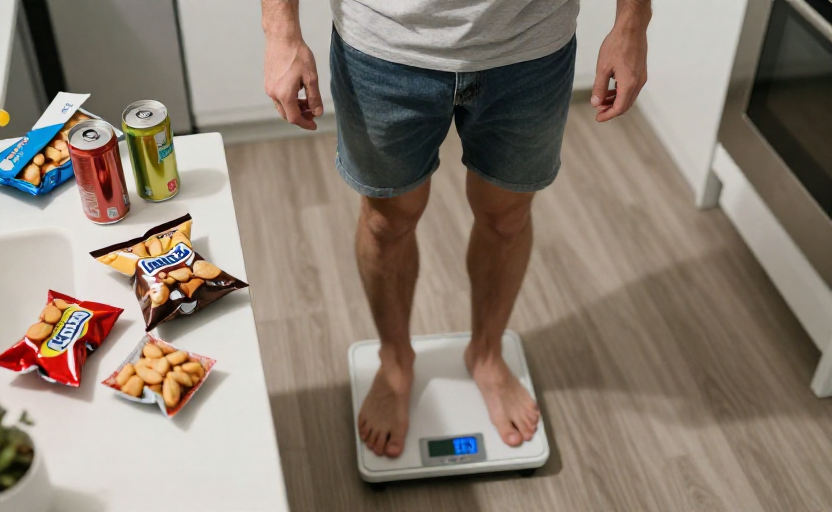
You are doing everything right. You are in the gym, you are watching your portions, and you are saying no to the drive-thru. Yet the number on the scale has not budged in weeks. That frustrating plateau often has a silent culprit: the processed foods that have snuck into your daily routine.
Fat loss is not just about calories in versus calories out. It is about how your body responds to those calories. Highly processed foods—think packaged snacks, sugary drinks, refined grains, and processed meats—can disrupt the very mechanisms that allow fat loss to happen. Here are three specific warning signs that processed foods are quietly stalling your progress.
1. Your Energy Crashes Midday (And You Crave More Carbs)
If you feel alert and energetic for an hour after lunch, only to hit a wall of fatigue and intense cravings by 3 p.m., you are likely riding the blood sugar roller coaster. Processed foods, especially those high in refined carbohydrates and added sugars, cause a rapid spike in blood glucose. Your pancreas responds by releasing a surge of insulin to bring that sugar down. The problem is that this overshoot can drop your blood sugar too low, triggering fatigue, brain fog, and a desperate need for another quick fix.
This cycle of crash-and-crave keeps you reaching for more processed snacks, making it nearly impossible to sustain a calorie deficit without feeling miserable.
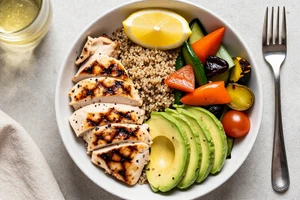
When you eat whole foods—like vegetables, lean proteins, and healthy fats—your energy stays steady. Processed foods lack the fiber and protein needed to slow digestion. Without those stabilizers, you are not just hungry; your body is physiologically driven to seek another sugar hit.
2. You Feel Bloated and Puffy Even After Small Meals
Fat loss requires a consistent calorie deficit. But if you are constantly bloated, it is hard to tell whether the scale is reflecting actual fat loss or temporary water retention. Many processed foods are engineered to be hyper-palatable, which means you can eat a large volume before your brain registers fullness. Beyond the calories, the ingredients themselves can cause inflammation and bloating.
Sodium is a major offender. A single serving of canned soup, frozen dinner, or deli meat can contain half or more of your daily recommended sodium intake. This causes your body to retain water, masking any leaner physique you may be building. Processed foods also often contain additives like gums, emulsifiers, and artificial sweeteners that can disrupt your gut microbiome and lead to gas and distention.
If you feel puffy in your face, fingers, or belly after meals, check the ingredients list. If you see names you cannot pronounce or products with long shelf lives, sodium and additives are likely sabotaging your physical results.
3. Your Cravings Feel Uncontrollable (Especially for Junk Food)
This is the most insidious sign. Processed foods are chemically designed to be addictive. They combine sugar, fat, and salt in ratios that strongly stimulate the brain's reward centers, releasing dopamine in a way that whole foods rarely do. Over time, your brain rewires itself to seek more of these artificial rewards.
You may start the day with good intentions—a salad for lunch, grilled chicken for dinner—only to find yourself raiding the pantry at night for chips or cookies. This is not a willpower failure. It is a biological response to the processed food you ate earlier in the day. When your blood sugar crashes (see sign one) and your dopamine receptors are sensitized, cravings become overpowering. This pattern makes it nearly impossible to maintain a moderate calorie deficit because your body is fighting against itself.
The fix is not extreme restriction. It is simply reducing the exposure. When you replace processed snacks with whole-food alternatives, cravings typically diminish within three to five days. Once your brain resets, you can eat a smaller amount of food and feel satisfied, which is the foundation of sustainable fat loss.
What to Do Instead
You do not have to eliminate every processed food forever. The goal is awareness and substitution. Start by identifying the most frequent sources in your diet—breakfast cereal, flavored yogurt, protein bars, sauces, and packaged breads are common culprits.
- Swap sugary drinks for sparkling water with lemon or unsweetened tea.
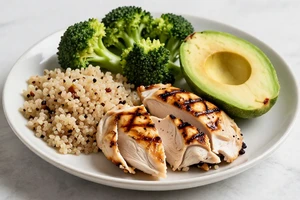
- Replace refined grains (white bread, white pasta) with whole grains (quinoa, oats, brown rice).
- Choose single-ingredient snacks like nuts, fruit, or hard-boiled eggs instead of granola bars or chips.
- Read labels for sodium; aim for less than 500 mg per serving in packaged foods.
When you remove the processed barriers, your body's natural fat-burning machinery can operate properly. The scale will start moving again—not because you are eating less, but because your metabolism is functioning the way it should.
Pay attention to these three signs. They are your body's way of telling you that the ingredients on the label are louder than your intentions. By cleaning up those food choices, you give your fat loss efforts the honest chance they deserve.