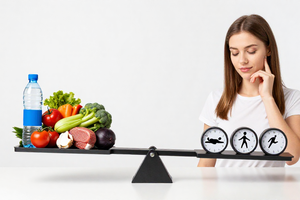
You track your meals, you avoid obvious junk, you even hit the gym most days. Yet the scale barely budges, and that stubborn belly fat refuses to shrink. If this sounds familiar, the culprit might be hiding in plain sight: your dinner plate.
Even nutrient-dense, homemade dinners can work against your fat-loss goals if the portions are off. It’s not always about what you eat, but how much. Here are three specific symptoms that your dinner portions may be undermining your progress.
1. You Feel Uncomfortably Stuffed After Dinner
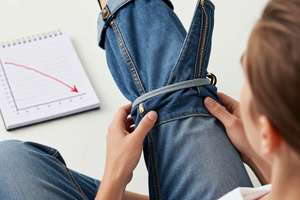
A satisfying meal should leave you content, not bloated or drowsy. If you regularly feel uncomfortably full—maybe your waistband feels tight, or you have to unbutton your pants—that’s a clear signal you’ve eaten past the point of fuel into surplus territory.
When you consistently overshoot your energy needs at dinner, your body stores the excess as fat. This is basic physiology: a calorie surplus, repeated nightly, will stall fat loss.
A simple check: stop eating when you are about 80% full. That gentle satisfaction, not fullness, is the sweet spot.
If you tend to eat quickly, try pacing yourself. Put your fork down between bites, drink water, and give your brain the 20 minutes it needs to register satiety. Or, plate your meal in the kitchen rather than serving family-style at the table—it’s far easier to drift into seconds when the bowl is right in front of you.
2. You Crave Sugar or Snacks an Hour After Eating
A well-balanced dinner should keep you satisfied for three to five hours. If you find yourself hunting for something sweet or salty shortly after finishing your meal, your plate was likely unbalanced—most often too heavy on carbs and too light on protein or fiber.
Here’s what tends to happen: a large portion of rice, pasta, or bread spikes your blood sugar. Your body releases insulin to manage that spike, and then your blood sugar crashes, triggering cravings for quick energy. This cycle can undo a whole day of mindful eating in a single evening.
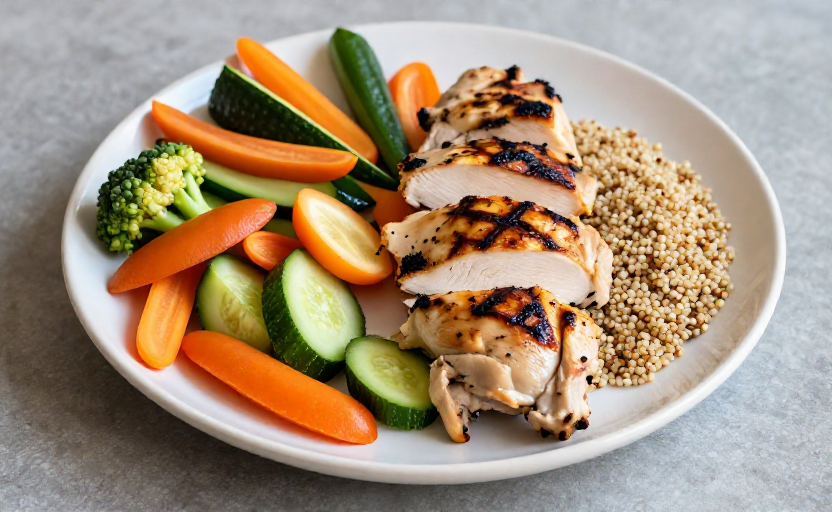
To break it, aim for a plate that looks like this:
- Half the plate with non-starchy vegetables (broccoli, spinach, bell peppers, cauliflower).
- A quarter of the plate with lean protein (chicken breast, fish, tofu, legumes).
- A quarter of the plate with complex carbohydrates (quinoa, sweet potato, brown rice) or healthy fats (avocado, olive oil, nuts).
This ratio slows digestion, stabilizes blood sugar, and keeps cravings at bay.
3. You Wake Up Tired or Bloated in the Morning
How you feel when you wake up is a direct reflection of how your body processed your last meal. If you consistently wake up feeling groggy, heavy, or puffy—despite adequate sleep—your dinner size or composition may be to blame.
A very large dinner forces your digestive system to work overtime while you sleep. Your body prioritizes digestion over rest and repair, which can lead to poor sleep quality, next-day fatigue, and morning bloating. Over time, this also disrupts hormones like cortisol and ghrelin, making fat loss even harder.
A good rule of thumb: make dinner your second-largest meal of the day, not the largest. Many people do best with a breakfast or lunch that is slightly bigger than dinner, giving your body more time to process calories when you are active. Try eating your last meal at least two to three hours before bed. If you need something close to sleep, keep it light—a small handful of nuts, a cup of herbal tea, or a few slices of turkey.
What to Do Instead: Simple Plate Adjustments
You don’t need a food scale or a complicated system. Start with these small, sustainable changes:
- Use a smaller plate. A standard dinner plate is often 10–12 inches wide. Switching to a 9-inch plate can visually shrink your portion without leaving you hungry.
- Pre-portion starches. Instead of scooping rice or pasta directly from the pot, measure out roughly one cupped handful (about ½ cup cooked). That’s a reasonable serving for most adults.
- Double the vegetables. They are low in calories and high in volume and fiber. Filling half your plate with veggies naturally crowds out higher-calorie options.
- Listen to your body, not the clock. Just because it’s 7 p.m. doesn’t mean you must finish everything on your plate. Eat until satisfied, not stuffed. Leftovers can be tomorrow’s lunch.
Fat loss is rarely about one single meal. It’s the cumulative effect of daily habits. By tuning into these three symptoms, you can spot when dinner portions are working against you—and make a small correction that adds up over weeks and months. No deprivation, no fads. Just a smarter relationship with your evening meal.