
Mindful eating is often presented as the opposite of diet culture — a gentle, intuitive approach that helps you tune into hunger and fullness cues. But for some people, what starts as a healthy practice can quietly backfire, leading to unexpected weight gain or a stalled scale. If you've been eating with awareness but the numbers keep creeping up, it may be time to look at how you're applying the principles.
Mindfulness is about observation without judgment, but when it comes to eating, certain habits can cross the line into overthinking or permissiveness that doesn't serve your goals. Here are three signs your mindful eating practice might actually be working against you, and what to adjust instead.
1. You're using "listening to your body" as permission to eat whatever you want
One of the core tenets of mindful eating is honoring your cravings. The idea is that by allowing all foods, you reduce the power of restriction and eventually crave more nourishing options. But in practice, some people interpret this as a free pass to indulge in highly palatable, calorie-dense foods at every meal. If your "intuitive" choices consistently lean toward sweets, fried foods, or large portions of comfort food, you may be mistaking habit or emotional need for genuine physical hunger.
True mindful eating involves checking in with your body before and during a meal. Ask yourself: Am I actually hungry, or am I seeking comfort, boredom relief, or reward? If you're eating past fullness simply because you're "allowed" to, that's not mindfulness — it's mindlessness with a new label.
2. You've become hyper-focused on every bite, leading to stress eating
Mindful eating encourages slowing down and savoring food, but for some people, this turns into obsessive scrutiny. When you analyze every mouthful — the texture, the flavor, your emotional response — eating can become a high-pressure performance rather than a natural act. This hyper-awareness often triggers anxiety, which in turn raises cortisol levels. Chronically elevated cortisol is linked to increased abdominal fat storage and stronger cravings for sugar and fat.
If you find yourself feeling tense during meals, or if you're mentally cataloging every ingredient and sensation, you may have traded one form of food obsession for another. The antidote is gentle awareness, not meticulous judgment. Try eating without narrating the experience to yourself for one meal a day. Let your attention rest on the act of eating without the running commentary.
3. You've stopped paying attention to portion size and meal composition
Some people swing so far from diet culture that they reject any structure around meals. The thinking goes: "If I'm eating mindfully, I don't need to think about how much or what I'm eating — my body will tell me." This can work for some, but for many, hunger and fullness signals have been blunted by years of dieting, stress, or irregular eating patterns. Relying solely on internal cues before those signals are reliable often leads to overeating — especially on energy-dense foods.
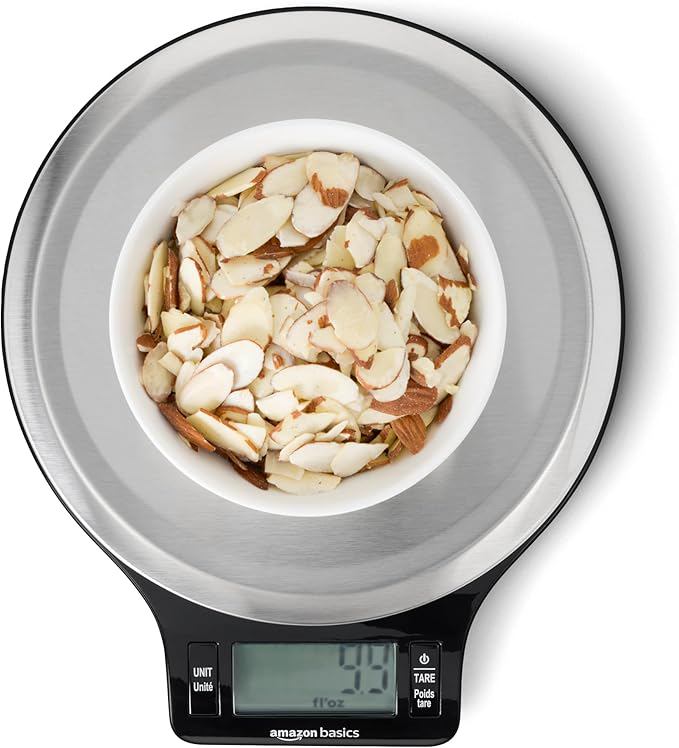
A balanced mindful eating practice includes practical anchors: serving yourself a reasonable portion, including protein, fiber, and healthy fat at meals, and pausing halfway through to assess your fullness level. These aren't rigid rules; they're training wheels for your intuition. Over time, as your body relearns its signals, you can loosen the structure. But if you skip this step entirely, mindfulness alone can become another form of permission to overconsume.
Mindful eating is a powerful tool, but like any practice, it's only as effective as your application. If you notice weight gain creeping in alongside your mindfulness efforts, step back and assess: Are you truly tuned in, or have you adopted a subtle form of permission-based eating? Adjusting your awareness to include portion sense, stress regulation, and honest hunger checks can bring your practice back into balance.