
Meal prep has a reputation as the silver bullet for weight control. You spend a Sunday afternoon chopping, roasting, and portioning, convinced you’ve outsmarted every drive-thru temptation. Yet the scale isn’t moving, or your energy feels off. What if the very system designed to help you eat less is quietly encouraging you to eat more?
The disconnect is surprisingly common. When you cook in bulk, you’re also building habits around volume, boredom, and convenience that can override your natural hunger signals. Here are three concrete signs that your meal prep might be working against you—and what to shift so it works for you.
1. You finish every container, regardless of hunger
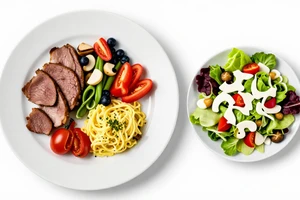
A tidy, pre-portioned box tells a powerful story: this is your meal, and you should eat all of it. But that story ignores the most important variable—whether you are actually hungry when you sit down. Over time, you train yourself to ignore internal cues and defer to the container’s size.
This is especially tricky if you’re prepping based on a calorie target that doesn’t match your current activity level. Maybe you had a lighter day but your lunch box still holds 600 calories. You eat it because it’s there, not because you need it.
The fix: Build two smaller options into your prep—a full-size meal and a “half-size” or snack-style option. Give yourself permission to choose based on hunger, not obligation. If you’re full after half, wrap the rest for tomorrow.
2. Your food variety is too narrow (and you’re chasing flavor with volume)
When you eat the same three meals for five days straight, something interesting happens: your taste buds get bored. Boredom doesn’t usually stop you from eating—it makes you eat faster, or in larger quantities, searching for satisfaction that isn’t there. This is called sensory-specific satiety, and it’s why a varied plate feels more satisfying than a giant bowl of the same thing.
Meal prep often encourages uniformity—same grain, same protein, same vegetable across all lunches. You might find yourself scraping the bottom of the container and still mentally flipping through your phone for a snack because the meal didn’t quite hit the spot.
- Rotate textures and temperatures. A crunchy element (raw veggies, nuts, seeds) alongside a softer base keeps your palate engaged.
- Add a finishing touch just before eating. A squeeze of lemon, a dash of chili flakes, or a handful of fresh herbs—it resets how you perceive the meal.
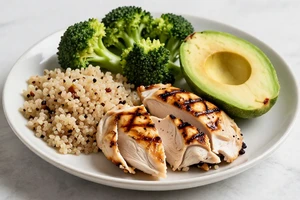
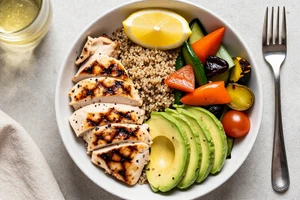
- Prep components, not complete entrées. Cook a batch of quinoa, roast vegetables, and grill chicken separately. Mix and match so Wednesday looks different from Monday.
When meals feel novel, you’re less likely to overeat in search of missing satisfaction.
3. You unconsciously graze on prep ingredients while cooking
This is the quietest saboteur. You’re not sitting down to a bowl of chips—you’re just tasting the roasted chickpeas, nibbling a corner of the sliced bell pepper, popping a stray meatball while packing lunches. Individually, each bite is negligible. Aggregated across a Sunday prep session, it can easily reach 250–400 calories. That is a full extra snack or mini-meal you didn’t account for.
Even more insidious: the habit can stretch beyond prep day. When your fridge is lined with ready-to-eat components, it’s easy to pick a piece of salmon here, a scoop of quinoa there, without ever formally eating a meal. The structure meal prep is meant to provide collapses into constant, low-grade eating.
The habit audit: For one prep day, keep a small bowl on the counter for every “taste” or nibble. See what accumulates at the end. If it’s over 150 calories, you have a clear fix—plate an actual snack before you start prepping, so you’re not cooking on an empty stomach.
How to meal prep without the overeating trap
The goal isn’t to stop prepping—it’s to reduce mindless consumption. A few structural changes help:
- Pre-portion snacks and components into single-serve bags or containers so you reach for one serving, not the bag.
- Wait 15–20 minutes between finishing your prepped meal and deciding if you need something else. That pause lets satiety hormones catch up.
- Keep a “hunger check” ritual. Before you open the fridge, ask yourself: Would I eat a plain apple right now? If the answer is yes, you’re hungry. If only a specific, highly palatable item sounds good, you may be eating out of habit or boredom.
Meal prep is a powerful tool—but it’s not automatic. When you adjust for the hidden ways structure can override awareness, you regain control over why and how much you eat. And that’s the real goal: not perfect containers, but genuine attunement to your body.