
You pad into the kitchen around 10 p.m. for the third night this week. You’re not starving, but you’re not exactly full either. The fridge hums, the pantry calls—and you give in, telling yourself you’re just hungry from a long day. But what if that late-night pit stop isn’t hunger at all? Research in appetite science suggests that many of our evening refueling trips are driven by a mix of habit, reward-seeking, and emotional loops, not a genuine calorie deficit.
Calling this out isn’t about shaming your evening yogurt or dark chocolate square. It’s about replacing an old diet myth—that willpower alone controls nighttime eating—with a more accurate understanding of what’s really happening. Let’s look at three clear signs that your late-night snack run is less about hunger and more about busting a persistent nutrition myth.
1. You Crave Cravings, Not Calories
Real physical hunger builds gradually. It might start with a mild emptiness in your stomach and can be satisfied by a variety of foods—an apple, some nuts, even leftovers. The dinner you ate three hours ago is history, and your body is signaling a genuine need for fuel.
But ask yourself: what are you reaching for? If the answer is almost always something specific—salty chips, creamy ice cream, a particular chocolate bar—you’re likely experiencing a conditioned desire, not physiological hunger. Our brains learn to associate evening downtime with a small hit of pleasure, a mini-reward for getting through the day. This isn’t a character flaw; it’s normal neurobiology. The dopamine response from these expected bites can feel a lot like hunger, but it’s a learned pattern that can be unlearned with a little awareness.
Try this shift: Notice the specific shape of the craving. If only one brand of pretzel will do, ask yourself if you’re actually hungry or just craving the familiarity and comfort of that taste and texture.
2. The Emotional Time-Stamp
Consider the context. Are you eating because you finished a stressful task? Because you’re bored with the show you’re watching? Because you feel the quiet pressure of needing to wind down before sleep? These are emotional triggers dressed up as hunger.
One of the most helpful diet myths to bust is the idea that hunger is a purely physical signal. In reality, eating is deeply tied to emotion and environment. When you’re tired, your brain’s reward centers become more active, and your willpower resources are lower. A handful of cereal becomes a mood regulator, not a meal. The key sign here is the when and the why of the eating, not the what. If you notice a pattern of eating when you’re tired, lonely, or wanting a break from a task, you’ve identified an emotional signal, not an empty tank.
Common emotional drivers that mimic hunger:
- Boredom eating – the classic “I’m not hungry, I’m just watching TV” situation.
- Sleep debt – being overtired can spike your hunger hormone ghrelin and lower your satiety hormone leptin.
- Stress relief – reaching for carbs can feel calming because they help your brain produce serotonin.
3. You Skip the Swap Test
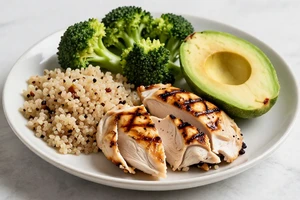
Here’s a simple litmus test for real hunger vs. reward eating. Ask yourself: if someone offered you a bowl of steamed broccoli or a plain apple, would that sound good? If the answer is a sincere yes, you’re probably physically hungry. If the answer is a laugh or a “no way,” you’re after a specific sensory experience, not energy.
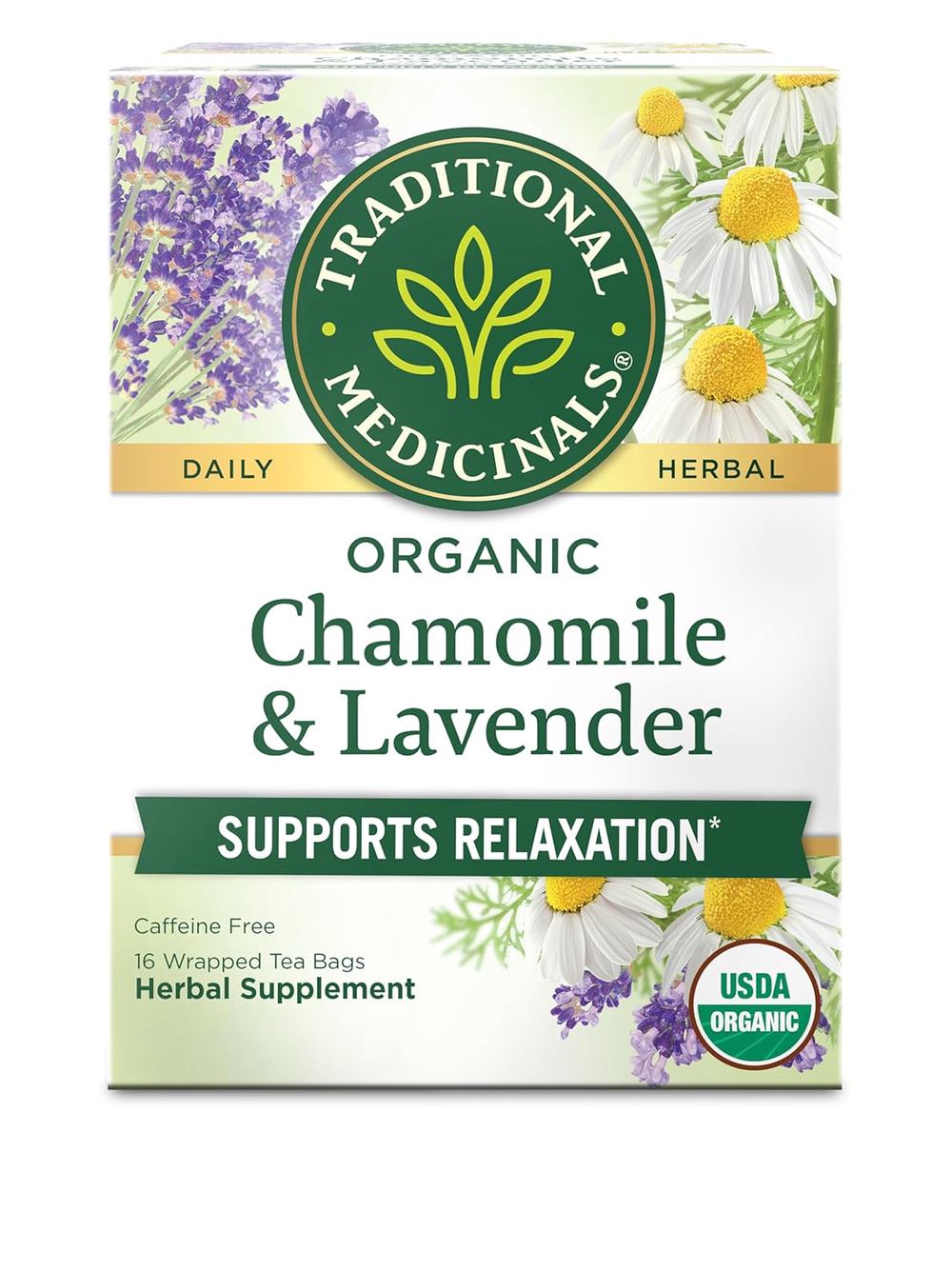
Real hunger accepts almost any fuel. Conditioned eating demands the script. This doesn’t mean you must always choose broccoli over chips—it means using the test to discover the truth about your motive. Once you know it’s not hunger, you can make a conscious choice: eat the chips for pleasure (no guilt), or redirect with a different reward like a cup of herbal tea, a 10-minute stretch, or flipping through a magazine. The point is to take back the driver’s seat from the myth that late-night snacking is always driven by physical need.
Understanding these three signs doesn’t mean you’ll never eat at night again. It means the next time you’re standing in front of the fridge, you can pause and ask a more helpful question: “Am I actually hungry, or am I looking for something else right now?” That pause is where real change begins.