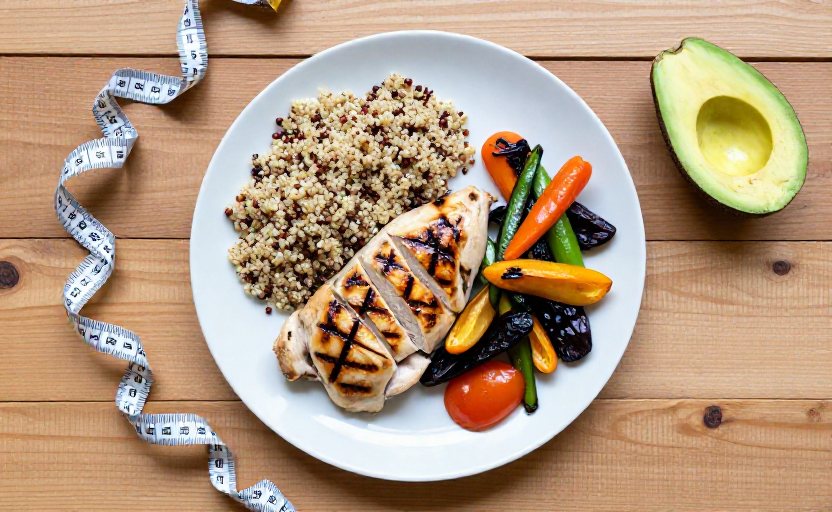
When weight loss stalls or progress feels inconsistent, many people look to exercise first. But what you eat — and more precisely, the balance of protein, carbohydrates, and fat on your plate — often plays the deciding role. Macronutrient ratios aren't about rigid diet rules; they are a practical framework for giving your body the fuel it needs to shed fat steadily while preserving energy and muscle.
Below, we break down three evidence-based macronutrient splits that support gradual, sustainable weight loss. Each ratio works differently depending on your activity level, metabolism, and personal preferences. None of these are one-size-fits-all prescriptions, but they offer a starting point for finding what keeps you satisfied and consistent.
What Are Macronutrient Ratios, and Why Do They Matter for Weight Loss?
A macronutrient ratio is simply the percentage of your daily calories that comes from protein, carbohydrates, and fat. Adjusting these percentages can change how your body uses energy, manages hunger hormones, and preserves lean muscle mass during a calorie deficit.
Research suggests that moderate increases in protein and strategic carbohydrate timing can help reduce cravings and maintain metabolic rate — two common hurdles in long-term weight management. The key is finding a split you can stick with, not the one that looks best on paper.
Ratio 1: Moderate Protein, Balanced Carbs and Fat (30% Protein / 40% Carbs / 30% Fat)
This is one of the most widely recommended starting points for general weight loss. It provides enough protein to support muscle retention and satiety, while leaving room for whole grains, fruits, and healthy fats.
Who This Suits Best
People with moderate daily activity (walking, light gym sessions, or a physically active job) often respond well to this split. It is also a practical ratio for those who do not want to eliminate any food group. The carbohydrate portion supports steady energy for workouts and daily tasks, while the fat intake ensures hormone function and meal satisfaction.
Sample Food Focus
- Protein: Chicken breast, tofu, lentils, eggs, Greek yogurt
- Carbohydrates: Oats, quinoa, sweet potatoes, berries, leafy greens
- Fats: Avocado, olive oil, nuts, seeds, fatty fish (twice per week)
Tip: If you feel sluggish after meals, try shifting a portion of carbs from dinner to breakfast or lunch. Small timing tweaks can improve energy without changing the ratio.
Ratio 2: Higher Protein, Lower Carb (40% Protein / 30% Carbs / 30% Fat)
A higher protein, lower carbohydrate split is often used when someone wants to accelerate fat loss while protecting muscle mass — especially during a calorie deficit. The increased protein can have a higher thermic effect (your body burns more calories digesting protein than carbs or fat), and it tends to reduce hunger more effectively.
Who This Suits Best
This ratio works well for those engaged in resistance training, high-intensity interval workouts, or anyone who finds themselves hungry on a standard balanced diet. It is also popular among people managing blood sugar fluctuations, since fewer carbs at meals can lead to steadier glucose levels.
Sample Food Focus
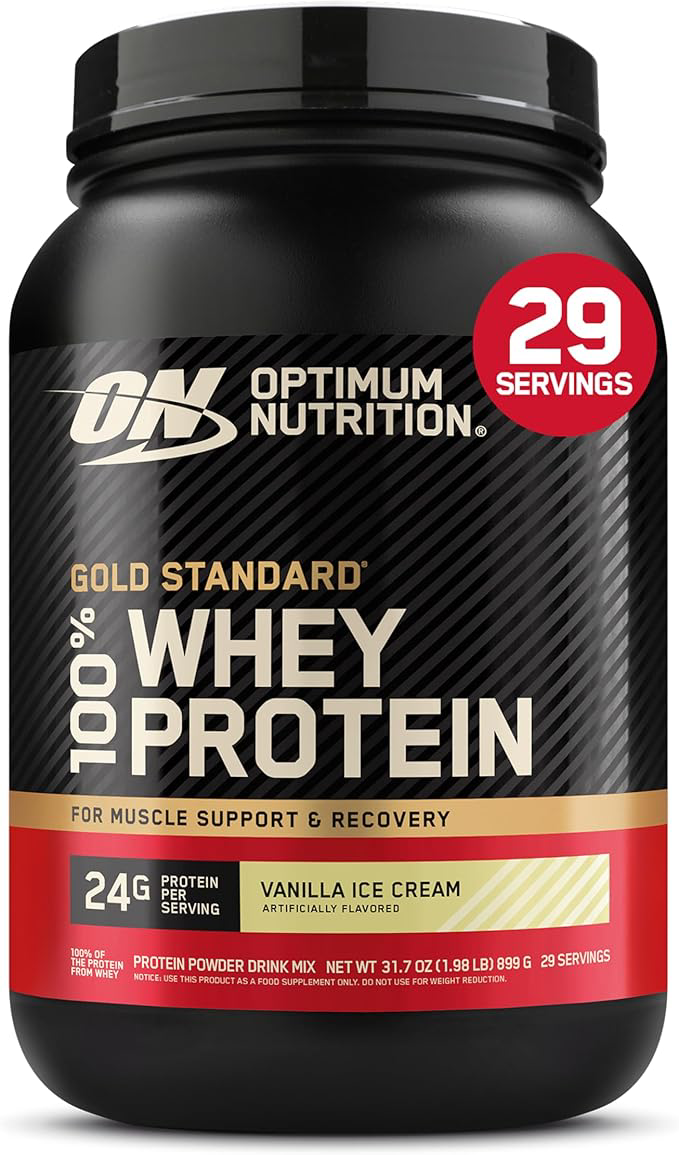
- Protein: Lean beef, turkey, whey or plant-based protein shakes, cottage cheese, tempeh
- Carbohydrates: Non-starchy vegetables (broccoli, spinach, cauliflower), berries, small portions of legumes
- Fats: Almond butter, chia seeds, coconut oil, walnuts
Caution: A very low carb intake can cause fatigue or irritability in the first week as your body adapts. If you feel consistently drained, consider adding a small serving of complex carbs (like a half-cup of oats) at your post-workout meal.
Ratio 3: Higher Fat, Moderate Protein, Very Low Carb (20% Protein / 10% Carbs / 70% Fat)
Often associated with ketogenic-style eating, this ratio shifts the body toward using fat for fuel instead of carbohydrates. It is not for everyone, but some people find it dramatically reduces appetite and provides mental clarity.
Who This Suits Best
This split is typically used under professional guidance for specific metabolic conditions or for those who have not seen results with other approaches. It requires strict carbohydrate limits (usually under 50 grams per day) and a focus on high-fat whole foods. It is less suitable for high-intensity athletes or people who need quick energy for frequent cardio.
Sample Food Focus
- Fat sources: Avocado, olive oil, butter, coconut milk, fatty fish, nuts
- Protein: Fatty cuts of meat, eggs, full-fat dairy, bone broth
- Carbohydrates (very limited): Leafy greens, cucumber, zucchini, small amounts of berries
Important: This ratio can lead to rapid initial water-weight loss, which is not the same as fat loss. Long-term adherence can be challenging, and some people experience electrolyte imbalances or constipation. Consulting a registered dietitian before starting is strongly advised.
How to Choose the Right Ratio for You
No single macronutrient ratio works for everyone. The best approach is to pick a split that aligns with your lifestyle, food preferences, and activity level, then give it at least two to three weeks of consistent effort before evaluating results.
- Start with the balanced ratio (30/40/30) if you are new to tracking or want a flexible, sustainable pattern.
- Try the higher-protein split (40/30/30) if you lift weights, struggle with hunger, or feel your current diet lacks protein.
- Consider the very-low-carb approach only if you have plateaued after trying other methods and can commit to careful meal planning.
Remember that total calorie intake still matters. A macronutrient ratio cannot override a consistent calorie surplus. Use a food diary or app for a week to see where you actually land, then adjust one variable at a time. Small, gradual changes lead to steady weight loss — not drastic overhauls that fizzle out after a few weeks.