
Intermittent fasting has a way of simplifying meals, but it can complicate something as basic as drinking water. When you're not eating for 14, 16, or even 18 hours, your body’s fluid and electrolyte balance shifts. Many people start fasting with strong willpower only to hit a wall of fatigue, headache, or irritability a few days in. Often, the culprit isn't hunger—it's hydration.
You might think you just need to drink more water. But for intermittent fasting, how, when, and what you drink matters just as much as the volume. Let’s look at three common hydration mistakes that can make the fasting window harder than it needs to be, and how to fix them without breaking your fast.
Mistake 1: Drinking too much plain water too fast
It sounds counterintuitive—water is good, so more water must be better, right? Not exactly. When you drink large amounts of plain water on an empty stomach, your kidneys quickly flush it out. This can dilute the sodium in your blood, leading to a condition called hyponatremia. Early signs include nausea, headache, and brain fog—symptoms that are easily mistaken for fasting side effects.
Beyond dilution, gulping water can also trigger a diuretic effect. You’ll notice frequent trips to the bathroom, which can be annoying and further dehydrating. Your body needs time to absorb fluids.
A smarter approach
- Sip steadily throughout the day rather than chugging a liter at once. Aim for small amounts every 20–30 minutes during your eating window and your fasting window.
- Add a pinch of high-quality salt (like sea salt or Himalayan pink salt) to your water once or twice a day. The sodium helps your body hold onto the water and maintain electrolyte balance. This is especially important if you also exercise while fasting.
- Consider trace mineral drops or a small splash of lemon juice (which has minimal calories and is generally considered fast-safe) to support electrolyte absorption.
Remember: the goal is steady hydration, not a water challenge.
Mistake 2: Forgetting about electrolytes entirely
Hydration is not just about H₂O. Your body relies on electrolytes—sodium, potassium, magnesium, and calcium—to regulate fluid balance, nerve signals, and muscle contractions. When you fast, your insulin levels drop, and your kidneys excrete more sodium and water. This is why some people feel weak, dizzy, or get muscle cramps a few days into fasting.
Drinking more water without replacing these lost minerals can actually worsen the problem. Pure water dilutes what little electrolyte concentration remains, making symptoms like fatigue and headaches more pronounced.
A quick caveat: If you have high blood pressure, kidney issues, or are on diuretics, talk to your doctor before increasing your salt or electrolyte intake.
How to replenish wisely
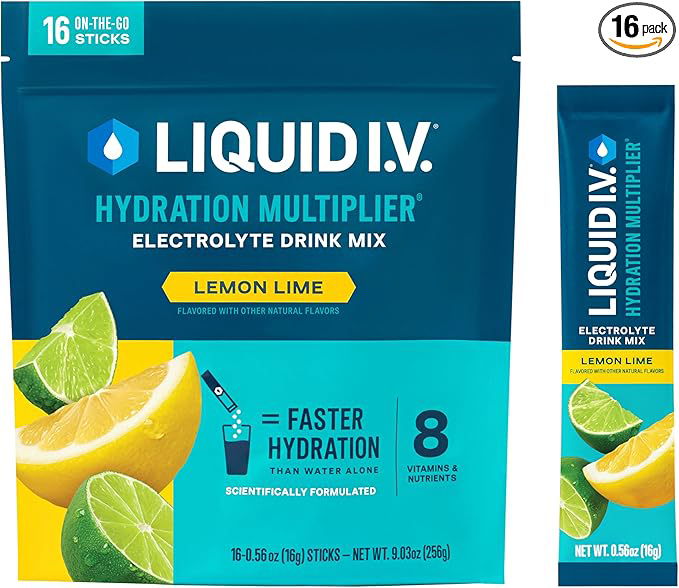
During your eating window, prioritize foods naturally rich in electrolytes: leafy greens, avocados, nuts, seeds, and bone broth. If you feel off during the fasting window, choose a zero-calorie electrolyte powder without added sugars or artificial sweeteners (check labels—many contain hidden carbs or calories). Black coffee and unsweetened tea also contain small amounts of potassium and magnesium, but they are also mild diuretics, so balance them with water.
Don't rely on sports drinks unless they are explicitly keto- or fast-friendly; most are loaded with sugar.
Mistake 3: Using caffeine to suppress appetite until late in the day
Many intermittent fasters lean on black coffee or green tea to get through the morning. Caffeine does suppress appetite short-term, and it’s generally considered acceptable during the fasting window (as long as you skip the cream and sugar). But too much caffeine, especially on an empty stomach and without enough water, can backfire.
Caffeine is a mild diuretic. In the context of fasting, which already lowers baseline hydration, excessive caffeine can tip you into dehydration. It can also raise cortisol levels, increasing stress and making you feel jittery or anxious—hardly a recipe for sustainable fasting.
Moreover, relying on caffeine to mask hunger can delay your body’s natural ability to recognize true hunger signals. Over time, you might feel more tired, less focused, and prone to overeating when you finally break your fast.
Balance, don't ban
- Limit caffeine to 1–2 cups during your fasting window, unless you know you tolerate more without side effects.
- Pair each cup of coffee or tea with a glass of water. This counteracts the diuretic effect and keeps you hydrated.
- Avoid drinking caffeine too close to the end of your fast (within 2–3 hours of your first meal). It can interfere with the meal's nutrient absorption and may disrupt sleep if you’re fasting later in the day.
If you feel shaky, dizzy, or have a racing heart after your morning coffee, cut back—your body is telling you it needs more water and fewer stimulants.
Intermittent fasting doesn’t have to be a struggle with thirst, headaches, or fatigue. By avoiding these three hydration mistakes—drinking water mindfully, paying attention to electrolytes, and using caffeine with caution—you can create a more comfortable fasting experience. The goal isn’t to make fasting harder with rigid rules, but to support your body’s basic needs so you can focus on the benefits: better energy, clearer thinking, and a sustainable eating pattern that works for you.