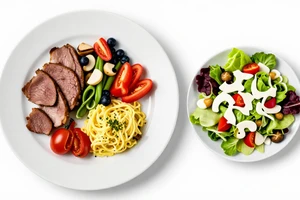
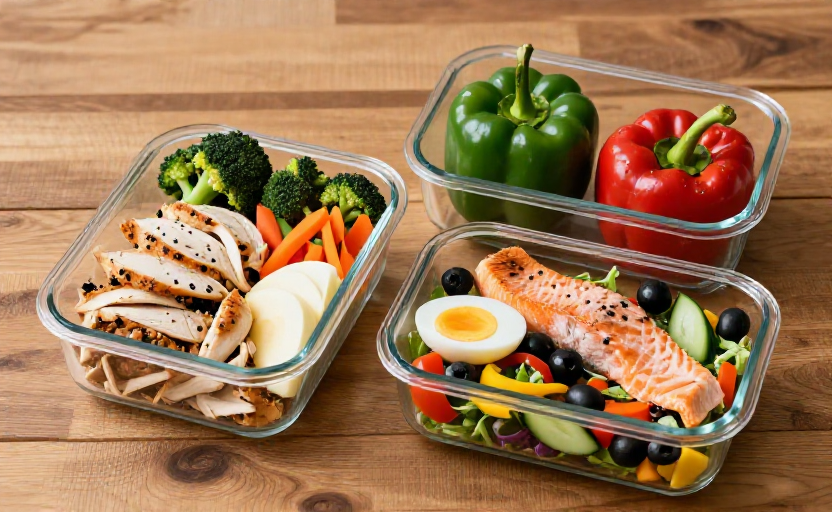
Meal prep is often framed as a time-saving chore, but its real value lies in how it shapes your daily eating habits. When you have a balanced, high-protein meal ready to go, the temptation to grab a processed snack or order a oversized takeout portion drops significantly. Protein is the most satiating macronutrient—it slows digestion, stabilizes blood sugar, and signals fullness hormones to your brain.
Here are three concrete, high-protein meal prep ideas designed to help you control portions and keep hunger at bay without requiring gourmet cooking skills or expensive ingredients.
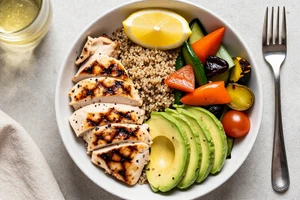
1. Greek Chicken Bowls with Lemon-Herb Quinoa and Roasted Vegetables
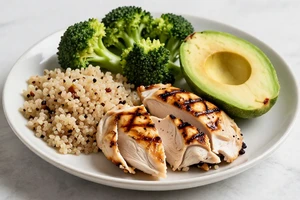
This bowl is built for balance and reheating well. The protein comes from lean chicken breast, which packs about 25 grams of protein per 3-ounce serving. Paired with fiber-rich quinoa and roasted vegetables, this combination keeps you full for four to six hours.
How to prep
Season 1.5 pounds of boneless, skinless chicken breasts with olive oil, dried oregano, garlic powder, salt, and pepper. Bake at 400°F for 22–25 minutes or until the internal temperature reaches 165°F. While the chicken cooks, rinse 1 cup of quinoa and cook it in 2 cups of water or low-sodium chicken broth. Chop bell peppers, zucchini, and red onion into even pieces, toss with olive oil and salt, and roast on a separate sheet pan for about 20 minutes.
Divide the quinoa, chopped chicken, and vegetables among five or six containers. For a creamy element without excess calories, add a dollop of plain Greek yogurt or hummus on the side.
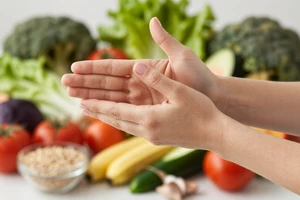
Portion control tip: Use a food scale or measuring cups the first time you portion out the chicken. A 3-ounce serving is roughly the size of your palm—train your eye to recognize that size.
2. Turkey and Black Bean Stuffed Bell Peppers
Stuffed peppers feel like a comfort meal, but they are naturally portion-controlled because the pepper itself becomes the serving vessel. Lean ground turkey (93/7) provides about 22 grams of protein per 4-ounce serving, while black beans add fiber and plant-based protein, making each pepper a complete meal.
How to prep
Brown 1 pound of ground turkey in a skillet until fully cooked, breaking it into small crumbles. Drain any excess fat. Add one diced onion, two cloves of minced garlic, and a teaspoon of cumin and chili powder. Cook for two minutes, then stir in 1 cup of cooked black beans (rinsed and drained if canned) and 1 cup of diced tomatoes. Let the mixture simmer for five minutes.
Cut the tops off four large bell peppers and remove the seeds and membranes. Stuff each pepper with the turkey-bean mixture, place them upright in a baking dish with a half-inch of water in the bottom, and bake at 375°F for 30 minutes. Top with a tablespoon of shredded cheddar or Monterey Jack cheese for the last five minutes if desired.
Each pepper is a pre-portioned meal. Refrigerate for up to four days or freeze individual peppers for up to three months.
3. Mason Jar Salmon Niçoise Salad with Egg and Olives
Salads can be a hunger trap if they lack protein and fat. This twist on a classic Niçoise salad uses canned wild salmon (or pre-cooked fresh salmon), hard-boiled eggs, and olives to deliver protein and healthy fats that prevent mid-afternoon crashes.
How to prep
Start with wide-mouth mason jars. Layer the dressing at the bottom—a simple vinaigrette of olive oil, red wine vinegar, Dijon mustard, and dried herbs works well. Then add hearty ingredients that don't get soggy: halved cherry tomatoes, chopped cucumbers, sliced olives, and green beans that have been blanched for two minutes. Next, add the protein: about 3 ounces of canned salmon (drained) or flaked leftover salmon, plus one halved hard-boiled egg. Fill the rest of the jar with mixed greens or arugula.
When you are ready to eat, shake the jar to distribute the dressing and pour the contents into a bowl. Mason jars keep ingredients fresh for up to three days, and the vertical layering prevents the greens from wilting.
Hunger-curbing benefit: The combination of protein (salmon and egg) and healthy fats (olive oil and olives) slows gastric emptying, which helps extend the time between meals without cravings.
Practical Strategies That Make Meal Prep Stick
Building these meals is only half the battle. Consistent portion control and hunger management come from a few smart habits:
- Use uniform containers. When every lunch looks the same size, you are less likely to overestimate or underestimate portions. Glass containers with divided compartments work especially well for bowls and salads.
- Eat your protein first. At mealtime, start with the protein-rich components. This naturally reduces how much of the starchy sides you eat and triggers earlier satiety signals.
- Hydrate between meals. Thirst is often mistaken for hunger. Keep a water bottle at your desk or in your bag, and drink a full glass of water at least 20 minutes before reaching for a snack.
- Prep on a schedule. Whether it is Sunday afternoon or Wednesday evening, picking a consistent two-hour block each week makes meal prep a habit rather than a last-minute decision.
These three meal prep ideas are not about restrictive eating—they are about giving yourself the structure to eat well without decision fatigue. When protein is front and center, portion sizes feel natural, and hunger stays out of the driver's seat.


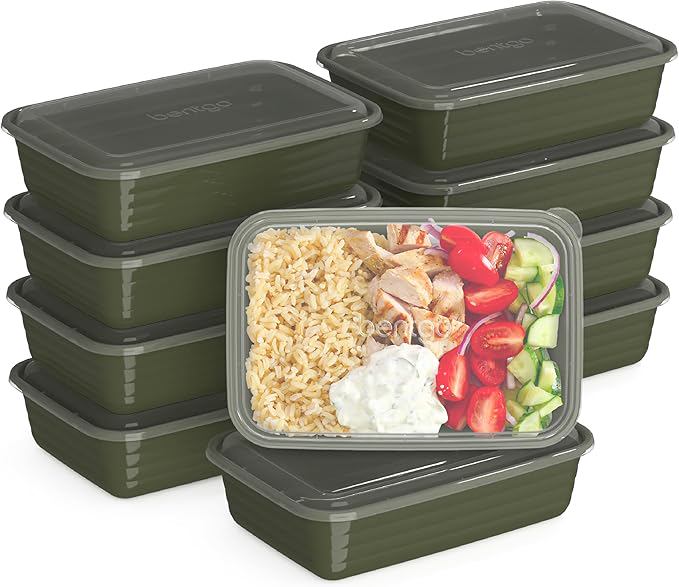

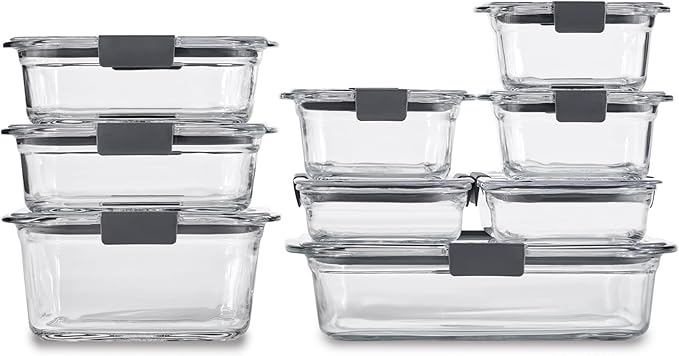
![Freshware Meal Prep Containers [50 Pack] 1 Compartment Food Storage Containers with Lids, Bento Box, BPA Free, Stackable, Microwave/Dishwasher/Freezer Safe (16 oz)](https://www.glowtheorylab.com/uploads/ad202604/65411b035c0a4f69.webp)