
Reaching your fifties often comes with a quiet shift in how your body handles everyday stress, sleep, and recovery. Your immune system, which has quietly defended you for decades, now benefits from a little more deliberate support. The good news? You don't need exotic supplements or a complete kitchen overhaul. Small, targeted swaps in your daily eating routine can give your immune cells the nutrients they need to stay vigilant and resilient.
Why your immune system changes after 50
Around age 50, the body begins a gradual process called immunosenescence — the immune system becomes less efficient at recognizing and responding to new threats. Your thymus, a gland that trains immune cells called T-cells, starts shrinking. Your gut microbiome loses some diversity, which weakens a major line of defense. These shifts make it more important to provide your body with steady, high-quality nutrition rather than occasional bursts of vitamins.
The three swaps below focus on nutrients that specifically support T-cell function, gut immunity, and inflammation control — all areas that become priority targets as you age.
Swap 1: Trade white rice and pasta for barley or steel-cut oats
Refined grains like white rice and standard pasta break down into sugar quickly, causing sharp blood glucose spikes. Those spikes can temporarily weaken immune cell activity and promote low-grade inflammation. Soluble fiber, on the other hand, is a direct fuel source for beneficial gut bacteria that regulate immune responses.
Barley and steel-cut oats are rich in a special type of soluble fiber called beta-glucan. Research shows that beta-glucans can enhance the activity of macrophages and natural killer cells — frontline defenders against viruses and abnormal cells. As you age, maintaining a robust population of these cells becomes critical.
A simple shift: instead of white rice as a side dish, try pearl barley. It has a chewy, satisfying texture and pairs well with roasted vegetables or lean protein. For breakfast, replace instant oats with whole steel-cut oats. Your gut bacteria will ferment the soluble fiber slowly, producing short-chain fatty acids that support the integrity of your intestinal lining — a key barrier against pathogens.
A note on getting started: Barley requires about 45 minutes to cook, so consider making a batch at the start of the week and reheating portions as needed. Steel-cut oats can be prepared overnight in a slow cooker or a heavy pot for a quick morning meal.
Swap 2: Replace processed meats with sardines or mackerel
Processed meats like bacon, deli ham, and sausages are high in saturated fat, sodium, and advanced glycation end-products (AGEs) — compounds that accumulate in tissues and promote oxidative stress. Over time, oxidative stress damages immune cells and impairs their ability to communicate with one another.
Fatty fish such as sardines and mackerel offer a superior alternative: they are packed with omega-3 fatty acids EPA and DHA, which reduce inflammation that can suppress immune surveillance. They also provide vitamin D and selenium — two nutrients that become harder for your body to absorb efficiently after 50. Vitamin D is essential for activating T-cells; selenium supports the production of antioxidant enzymes that protect immune cells from damage.
Try swapping your breakfast bacon or lunchtime cold cuts for a small can of sardines on whole-grain crackers, or grilled mackerel fillets over a green salad. If you are not used to the taste, start with mackerel, which has a milder flavor and flaky texture. Canned options packed in water or olive oil are convenient and have a long shelf life.
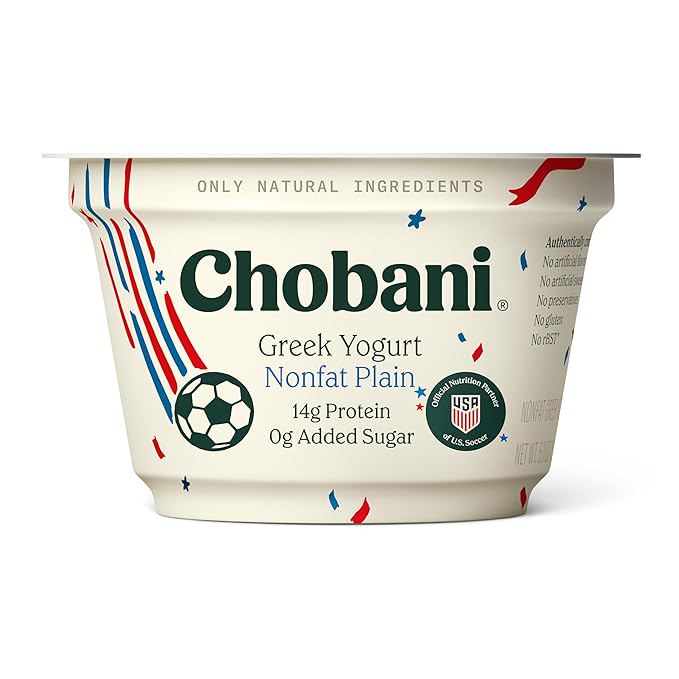
Swap 3: Replace sugary yogurt with plain, full-fat Greek yogurt
A standard flavored yogurt carries eight to twelve grams of added sugar per serving. That extra sugar can feed less beneficial gut bacteria, crowd out probiotic strains, and contribute to leaky gut — a condition where particles pass through the intestinal barrier and trigger chronic, low-level immune activation.
Plain, full-fat Greek yogurt is naturally low in sugar and packed with probiotics like Lactobacillus and Bifidobacterium. These live cultures help restore gut microbial diversity, which declines with age. The full-fat version is important because your body better absorbs fat-soluble vitamins A, D, E, and K — all crucial for immune function — when paired with dietary fat. Additionally, yogurt is a reliable source of high-quality protein, which your body needs to synthesize antibodies and repair immune cells.
If you find plain yogurt too tart, stir in a handful of fresh berries or a thin drizzle of honey. That small addition of natural sweetness pales in comparison to the sugar-laden alternatives, and you also get polyphenols from the fruit that further support immune health. Avoid fat-free or low-fat versions, which often add starches or sugars to improve texture.
Bringing the swaps together in a real day
To see how these three changes can work in a single day, imagine this: for breakfast, steel-cut oats topped with chopped walnuts and a few raspberries. Lunch is a spinach salad with grilled mackerel, cherry tomatoes, and a squeeze of lemon. For an afternoon snack, plain Greek yogurt with a sprinkle of cinnamon and blueberries. Dinner features roasted chicken with pearl barley and steamed broccoli. No single meal is complicated, yet each swap delivers a specific, age-appropriate immune benefit.
What to keep in mind
These food swaps are designed for ongoing, sustainable habits — not quick fixes. Your body responds best to consistent, low-level signals rather than sporadic high doses. Pair these changes with adequate sleep, regular movement, and stress management for the strongest foundation. Always check with your healthcare provider before making significant dietary shifts, especially if you have existing conditions or take medications that may be affected by increased fiber or fish oil.