When you're working toward weight loss, fat is often the first thing to get slashed. It makes sense on paper: fat contains nine calories per gram, compared to four for protein and carbs. But cutting fat too aggressively can backfire — leaving you hungry, depriving your body of essential nutrients, and making it harder to stick with your deficit over the long haul.
The key isn't to eliminate fat. It's to choose the right kinds and portions. Here are three expert-backed strategies for including healthy fats without blowing your calorie budget.
1. Use whole food fats as flavor anchors
One of the smartest moves you can make is to replace processed fats with whole food sources that pull double duty. Avocado, nuts, seeds, and olives deliver fat alongside fiber, protein, or water — all of which increase satiety per calorie.
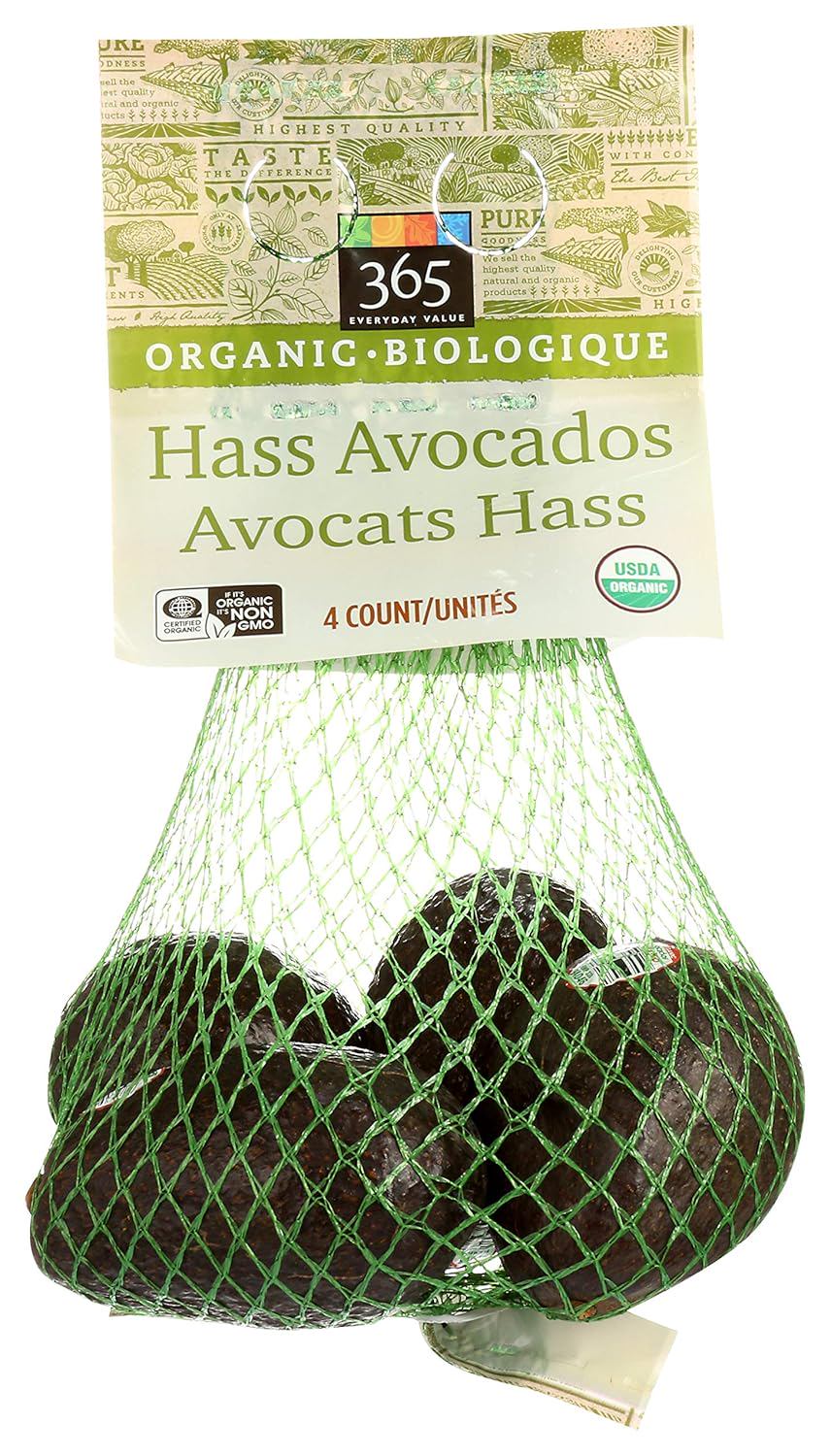
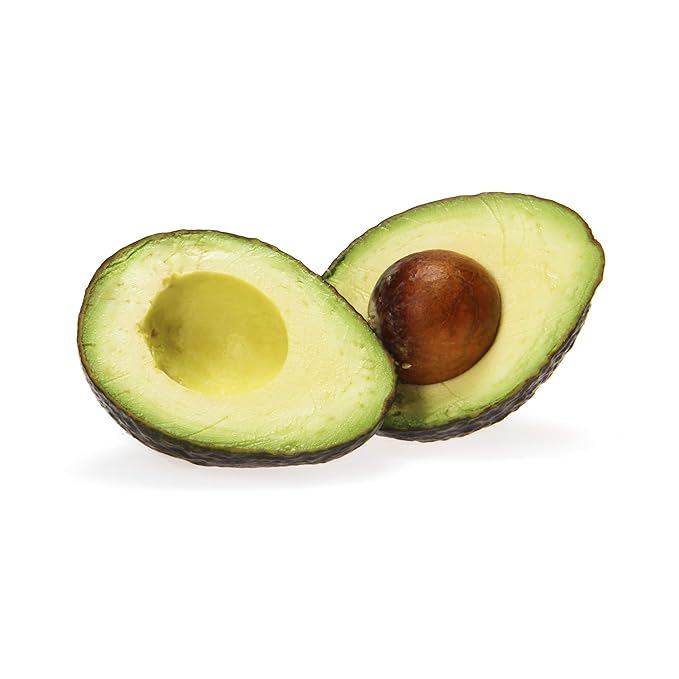
Instead of drizzling two tablespoons of oil on a salad (roughly 240 calories), try mashing a quarter of an avocado (about 80 calories) into a dressing with lime juice and herbs. You still get a creamy mouthfeel and healthy monounsaturated fats, but you save over 150 calories and gain fiber and potassium.
Try this swap: Replace 2 tablespoons of vinaigrette with 30 grams of avocado. You keep the flavor but add fiber and cut roughly 120–150 calories.
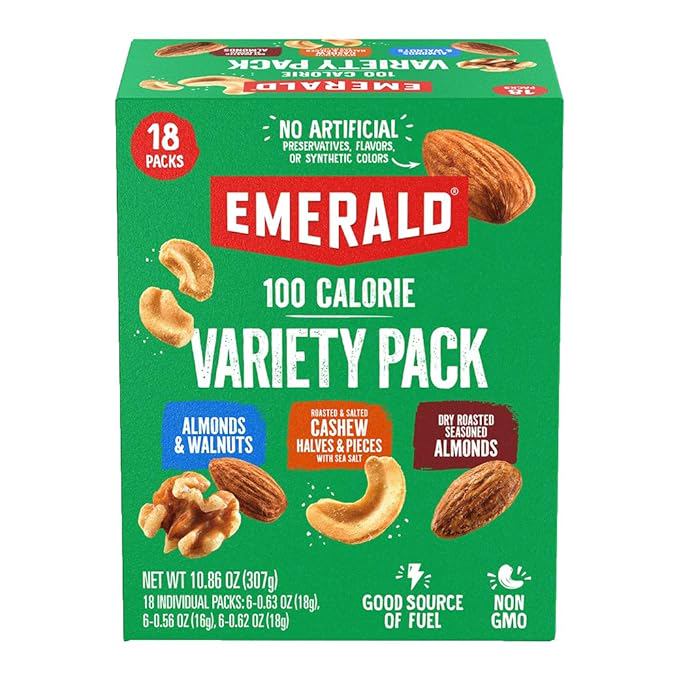
Similarly, a small handful of almonds (about 14 nuts, 160 calories) can anchor a meal in a way that a drizzle of almond oil (also 120 calories per tablespoon) simply cannot. The volume and crunch signal fullness to your brain, while the protein and fiber slow digestion.
2. Anchor each meal with a measured fat portion
Many people swing from one extreme to another — "low fat" one week, "keto" the next. A more sustainable approach is to include a controlled serving of fat at every meal. This keeps blood sugar stable, prevents between-meal cravings, and helps you absorb fat-soluble vitamins A, D, E, and K.
Here is what a measured portion looks like in practice:
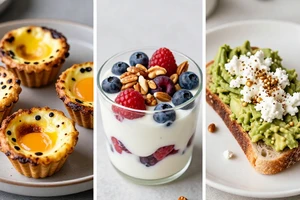
- Breakfast: 1 tablespoon of chia seeds (60 calories) stirred into overnight oats, or 1/4 of a small avocado (about 60 calories) on whole-grain toast.
- Lunch: 1 tablespoon of tahini (90 calories) in a lentil bowl, or 5 olives (about 45 calories) chopped into a grain salad.
- Dinner: 1/2 tablespoon of olive oil (60 calories) used to roast vegetables, or 2 tablespoons of shredded coconut (about 70 calories) in a curry.
By distributing fat across meals rather than saving it all for one indulgent dish, you avoid the energy crash and hunger spike that can derail a deficit.
3. Choose fat sources that deliver omega-3s
Not all fats are equal when you are eating less. Omega-3 fatty acids found in fatty fish, walnuts, flaxseeds, and algae oil play a direct role in reducing inflammation, supporting brain health, and even improving how your body partitions energy. When you are in a calorie deficit, your body is under mild metabolic stress — omega-3s help manage that response.
Practical ways to add omega-3s without adding excess calories:
- Add 1 tablespoon of ground flaxseed (37 calories) to a smoothie or yogurt.
- Eat 100 grams of canned sardines or salmon (about 200 calories) as a protein source that naturally brings fat with it.
- Use a light hand with walnut pieces (about 185 calories per 30 grams) as a crunchy topping for oatmeal or roasted vegetables.
Expert note: The Dietary Guidelines for Americans recommend 8 or more ounces of seafood per week for adults. Even one serving of fatty fish can make a meaningful difference in your omega-3 intake without significant calorie impact.
If you do not eat fish, a tablespoon of flaxseed or chia seeds daily provides a plant-based source of alpha-linolenic acid (ALA), though your body converts it less efficiently than marine sources. Consider an algae-based omega-3 supplement if needed, but always talk to a healthcare provider before starting any new supplement.
Putting it all together: a day in deficit with healthy fats
Here is a simple sample day that includes all three strategies, totaling roughly 1,500–1,600 calories with about 35–40 grams of fat — well within a modest deficit for most people.
- Breakfast: Oatmeal made with water, 1 tablespoon chia seeds, 1/2 cup berries, and a sprinkle of cinnamon. (~320 calories, 6 g fat)
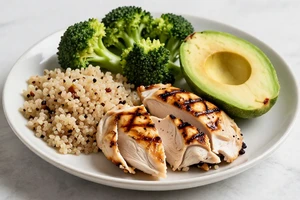
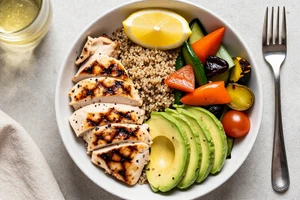
- Lunch: Large salad with 3 cups greens, 100 g grilled chicken, 1/4 avocado, 1 tablespoon sunflower seeds, lemon-herb dressing. (~450 calories, 18 g fat)
- Snack: 1 apple with 10 almonds. (~200 calories, 7 g fat)
- Dinner: 120 g baked salmon with roasted broccoli and 1/2 tablespoon olive oil, plus a small baked sweet potato. (~510 calories, 17 g fat)
The total comes out to roughly 1,480 calories and 48 grams of fat — about 29% of calories from fat, which sits comfortably within the 20–35% range recommended by the Dietary Guidelines. You are getting essential fatty acids, fat-soluble vitamins, and lasting satiety.
Weight loss works best when you can maintain it. Including healthy fats in a measured way is not just allowed — it is one of the most effective tools for staying on track without feeling deprived.