
Starting a strength-training routine is exciting, but it's also a shock to the system. You might feel a deep ache in your muscles, find yourself dragging the day after a workout, or wonder if that soreness means you did something wrong. The truth is, recovery isn't just about rest — it's about giving your body what it needs to repair, adapt, and come back stronger. For new lifters, getting this right can make the difference between steady progress and hitting a wall.
Below are three expert-backed strategies specifically designed for beginners. They focus on nutrition, sleep, and active strategies, and they're grounded in real exercise physiology — not hype.
1. Prioritize protein timing and distribution
Muscle repair is driven by protein synthesis, and your body needs a steady supply of amino acids to rebuild the microscopic tears caused by lifting. The common mistake is to eat a single massive protein-rich meal after training and call it done. Instead, spread your protein intake across the day.
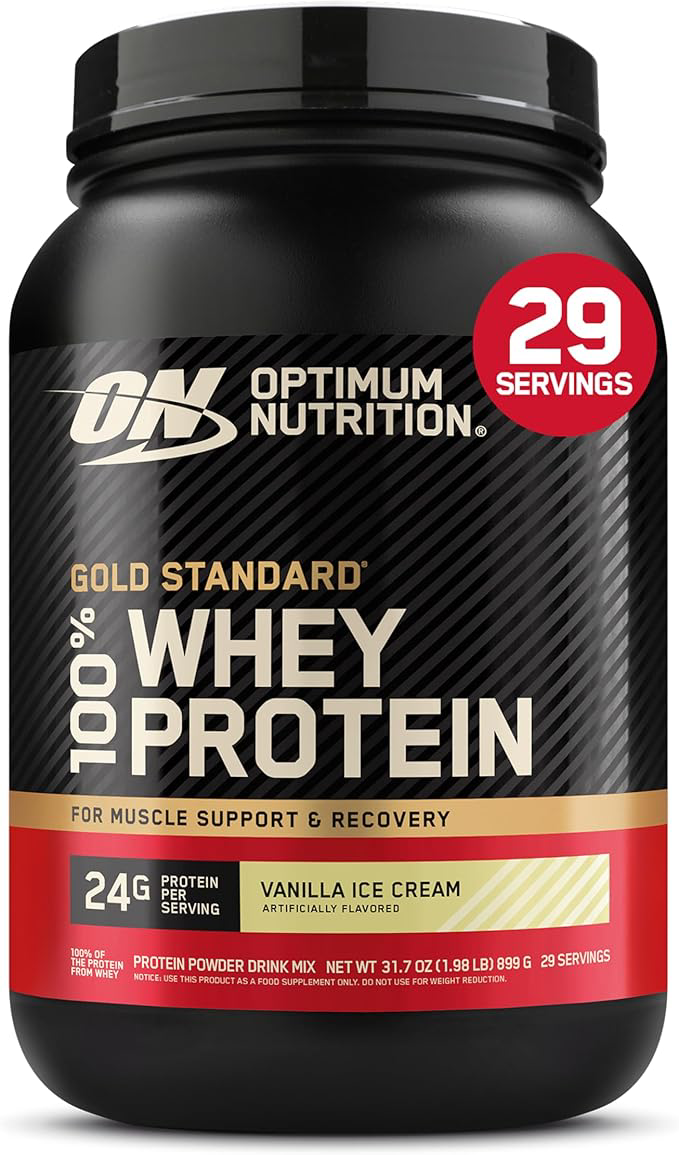
Research suggests that consuming 20 to 40 grams of protein — roughly the amount in a serving of chicken breast, Greek yogurt, or a scoop of quality protein powder — every three to four hours supports peak muscle repair. For new lifters, this means including a protein source at breakfast, lunch, dinner, and a post-workout snack. That final post-workout window is particularly important because your muscles are primed to absorb nutrients for about two hours after training.
Sources to consider: Eggs, lean meats, fish, dairy, tofu, lentils, and whey or plant-based protein powders fit the bill. Whole foods are great, but a protein shake can be a convenient bridge on busy days. The key is consistency, not perfection.
2. Sleep is your number one recovery tool
Sleep — especially deep sleep — is when your body releases the majority of human growth hormone and repairs damaged muscle tissue. For novice lifters, not prioritizing sleep can undo gains faster than skipping a meal. Most adults need 7 to 9 hours per night, but aim for the higher end if you’re training hard.
The quality matters as much as quantity. Make your bedroom as cool, dark, and quiet as possible. Try to avoid caffeine after midafternoon, and put your phone away at least 30 minutes before bed. Blue light can disrupt melatonin production, making it harder to fall asleep and to reach restorative deep sleep.
“If you think you can train hard every day without sleeping adequately, you're missing the biggest lever for recovery,” says strength coach Eric Helms.
Even occasional nights of poor sleep won't derail you, but chronic lack of sleep will. For a new lifter, building a consistent bedtime routine is as important as the workout itself.
3. Use active recovery, not just passive rest
Active recovery means low-intensity movement on your off days or after a workout to enhance blood flow without stressing your muscles. Blood carries oxygen and nutrients to tired tissues and helps clear metabolic waste like lactic acid. This doesn't mean doing another round of squats.
Try 10 to 20 minutes of walking, gentle cycling at a very low resistance, or light stretching. Yoga or foam rolling can also be beneficial, but avoid pushing into pain. The goal is gentle movement — you should be able to hold a conversation without huffing.
“Active recovery works because it increases circulation without significantly taxing the central nervous system,” explains sports physiologist Dr. Brad Schoenfeld.
New lifters often fall into one of two traps: doing too much (exercising intensely every day) or doing too little (lying on the couch all day after a tough workout). Active recovery strikes the right middle ground and can reduce soreness by the next morning.
Putting it all together
As a new lifter, your body is still adapting to the demands of strength training. The three strategies above — protein timing, quality sleep, and active recovery — complement each other. You can't just eat well and skip sleep, or sleep plenty and never move between training days. All three together build the foundation for consistent progress and fewer injuries.
Be patient with yourself. Recovery improvements often take a couple of weeks to feel. If you stick with these habits, you'll likely notice less soreness, more energy, and better performance in the gym.