
You sit down to a meal that looks healthy—maybe a big salad with some chicken on top. Thirty minutes later, you are hungry again. Or you load up on a giant portion of lean protein, feel stuffed, but still crave something crunchy or sweet. The missing piece is not more food; it is a better balance between protein and vegetables.
I have seen this pattern countless times with readers trying to manage their weight or simply eat more satisfying meals. The science of satiety is not about restriction. It is about the right ratio of nutrients that signal your brain: I am full and I am done. Here are three practical, expert-backed strategies to get that balance right—without overthinking every bite.
Strategy one: Build your plate around a visual ratio
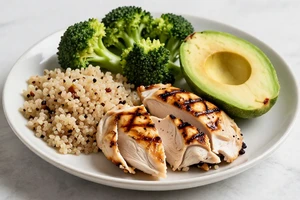
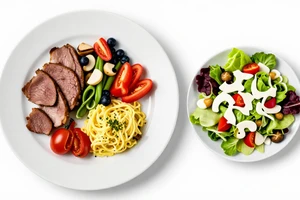
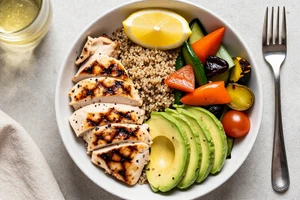
You do not need a food scale to balance protein and veggies. The simplest tool is your own plate. Aim for roughly one-third lean protein and two-thirds non-starchy vegetables. That might look like a palm-sized portion of grilled salmon beside a generous heap of roasted broccoli and bell peppers. Or, in a bowl, it could be a scoop of lentils (protein) surrounded by spinach, tomatoes, and cucumber.
The two-thirds vegetable portion provides volume and fiber, which physically fill the stomach and slow digestion. The one-third protein portion triggers the release of satiety hormones like peptide YY and GLP-1. Together, they create a meal that is satisfying both in volume and in signaling.
Quick tip for takeout or cafeteria meals: ask for double vegetables and half the rice, pasta, or bread. Keep your protein serving about the same size as your palm.
Strategy two: Pair protein and fiber at every eating occasion
It is not just about dinner. The biggest satiety mistake I see is protein-poor breakfasts and snacks. A bowl of cereal or a piece of fruit alone spikes your blood sugar and crashes it, leaving you hungry by mid-morning. Instead, pair protein with fiber-rich veggies (or fruit) consistently across the day.
Think of these combos:
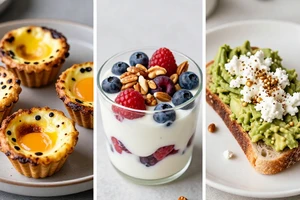
- Breakfast: two scrambled eggs with sautéed spinach and mushrooms, plus a side of berries.
- Lunch: a grilled chicken wrap with lots of lettuce, tomato, and cucumber in a whole-grain tortilla.
- Snack: apple slices with a string cheese, or celery sticks with a scoop of Greek yogurt.
This consistent pairing keeps blood sugar stable and prevents the end-of-day feeding frenzy. Registered dietitians often call this the "protein-fiber duo"—and it works because fiber slows the digestion of protein, extending its satiety effect.
Strategy three: Use vegetables to “volume-load” your protein dish
This is the most effective hack for people who already eat protein but find meals unsatisfying. Instead of eating a plain chicken breast or a bowl of ground turkey, double the volume with finely chopped or riced vegetables. You are getting the same amount of protein, but with two to three times the food volume for roughly the same calories.
Try these volume-loading ideas:
- Mix grated zucchini or cauliflower rice into ground turkey before forming patties.
- Add finely chopped mushrooms and bell peppers to your egg scramble or omelet.
- Stir a handful of baby spinach or kale into pasta sauce with ground beef or lentils—it wilts down and nearly doubles the serving size.
This technique is especially useful if you are trying to reduce calorie density without feeling deprived. The vegetables add water and fiber, both of which stretch the stomach and trigger stretch receptors that signal fullness to the brain. Protein maintains that signal over the following hours.
A final note on flexibility
No meal will be perfectly balanced every time—and that is fine. The goal is not perfection but a consistent pattern that keeps you from grazing an hour after eating. If you notice hunger returning too soon, look at your last meal. Was it mostly one thing? Add some volume (more vegetables) or staying power (more protein) next time. Your body will tell you when you have hit the right ratio.
The best part: once you get the balance right, you will naturally eat less later without feeling like you are on a diet. Satiety is not about willpower. It is about giving your body the right ingredients to say, I am satisfied.