
You finished your set, racked the barbell, and felt that satisfying burn. Now what? For anyone new to lifting, the minutes after a workout often come with a nagging question: When do I need to eat protein for it to actually work? The answer isn't as urgent as the fitness industry once claimed, but timing still matters—especially when you're building a foundation.
Rather than chasing a mythical “anabolic window” that slams shut 30 minutes after your last rep, think of your post-workout nutrition as a flexible, yet intentional, practice. Here are three straightforward, expert-backed tips to help you time your protein intake without adding stress to your routine.
1. The 2-Hour Window Still Works—Don't Overthink It
The idea that you have exactly 30 to 45 minutes to down a shake or risk losing all your gains has been greatly exaggerated. Research now points to a more forgiving window: roughly two hours after training. During this period, your muscles are primed to shuttle amino acids into repair mode, a process called muscle protein synthesis.
For a beginner lifter, consistency matters more than speed. If you can eat a balanced meal or have a shake within two hours of finishing your workout, you are in an excellent spot. Waiting three or four hours occasionally won't undo your progress, but making a habit of eating soon after training helps establish a rhythm that supports recovery and growth.
Simple approach: Aim to eat a protein-rich meal or snack within two hours post-lift. A whole-food meal—like chicken with rice and vegetables—works just as well as a shake.
2. Prioritize Total Daily Protein First, Timing Second
If you have to choose between getting enough protein across the day and nailing the timing after your workout, choose total intake. For most beginner lifters, a daily target of 1.6 to 2.2 grams of protein per kilogram of body weight is a solid range. When you spread that across three or four meals, your muscles stay in a receptive state.
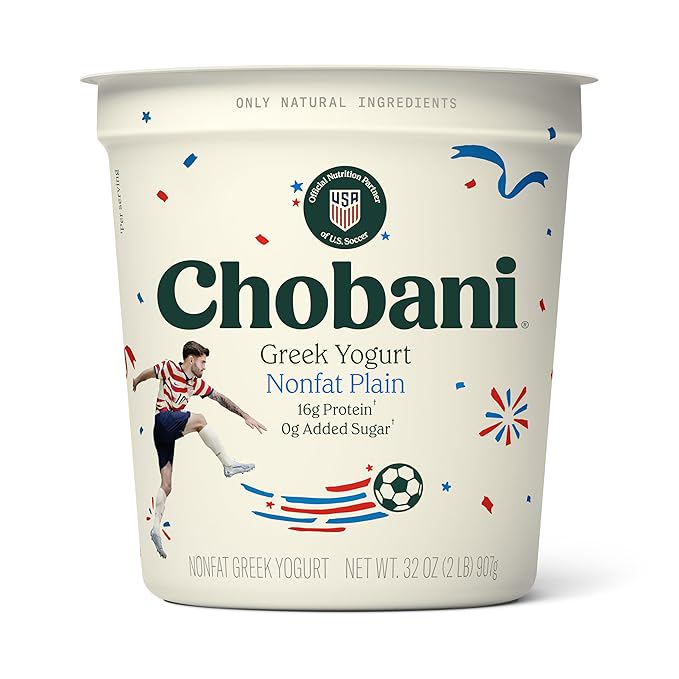
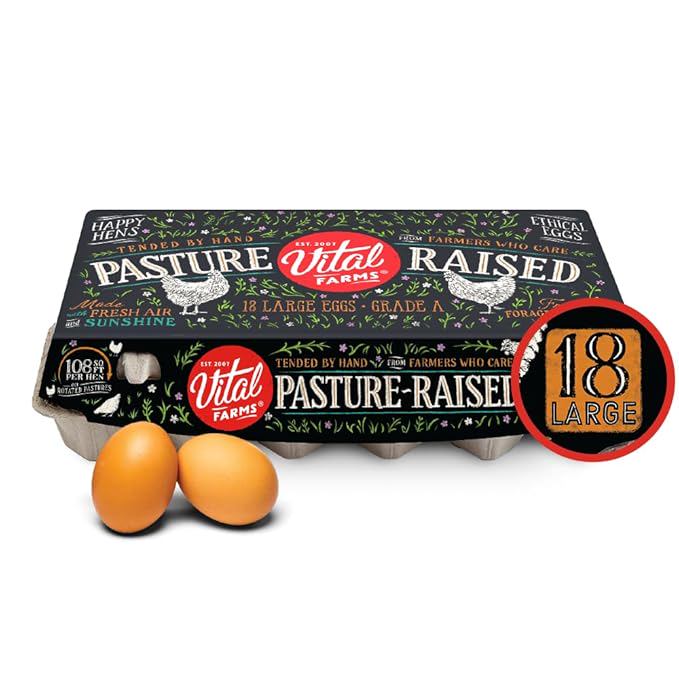
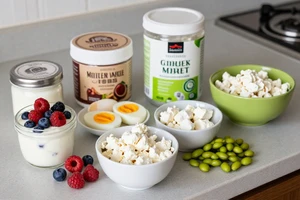
Think of your post-workout meal as one piece of a larger puzzle. If you under-eat protein at breakfast and lunch, a perfectly timed shake after your evening lift won't compensate for the deficit. By making sure each of your meals contains a source of protein—eggs, yogurt, tofu, fish, or lean meat—you set yourself up for steady results.
- Breakfast: Greek yogurt with berries and a scoop of granola
- Lunch: Quinoa bowl with black beans, avocado, and grilled chicken
- Dinner: Salmon with roasted sweet potatoes and broccoli
Key takeaway: Don't let the pursuit of perfect timing distract you from the bigger goal: meeting your protein needs consistently every day.
3. Real Food Beats Shakes for Long-Term Success
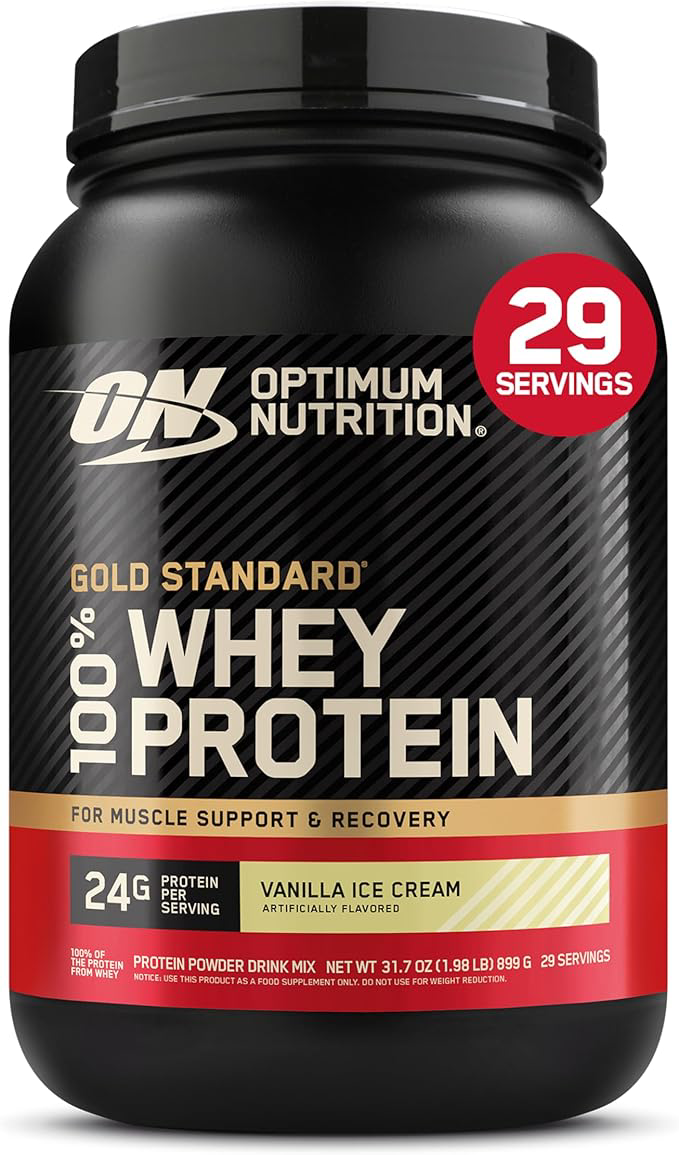
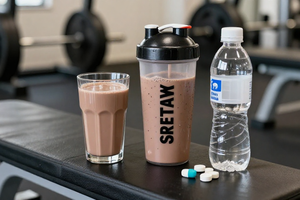
Protein powders and shakes are convenient, and they absolutely have a place in a lifter's diet. But for a beginner, relying on whole food sources offers benefits beyond just nutrients. Whole proteins—like eggs, dairy, meat, fish, legumes, and grains—come with fiber, vitamins, and minerals that support overall health and digestion.
Additionally, eating real food after a workout can help you build sustainable habits. A grilled chicken breast or a bowl of lentil soup signals to your body that it's time to recover, and the chewing and digestion process may improve satiety compared to a quick shake. That said, if you're short on time or appetite, a whey or plant-based protein shake is a perfectly effective backup.
The best approach for beginners: Aim for whole-food meals as your primary post-workout fuel. Reserve shakes for situations when cooking isn't practical—right after a morning gym session before work, for example.
Timing your protein doesn't have to be a source of anxiety. For beginner lifters, the real win comes from showing up consistently, eating enough protein overall, and anchoring that nutrition in whole foods whenever possible. The three tips above give you a practical framework—not a rigid schedule. Trust the process, and your muscles will do the rest.