
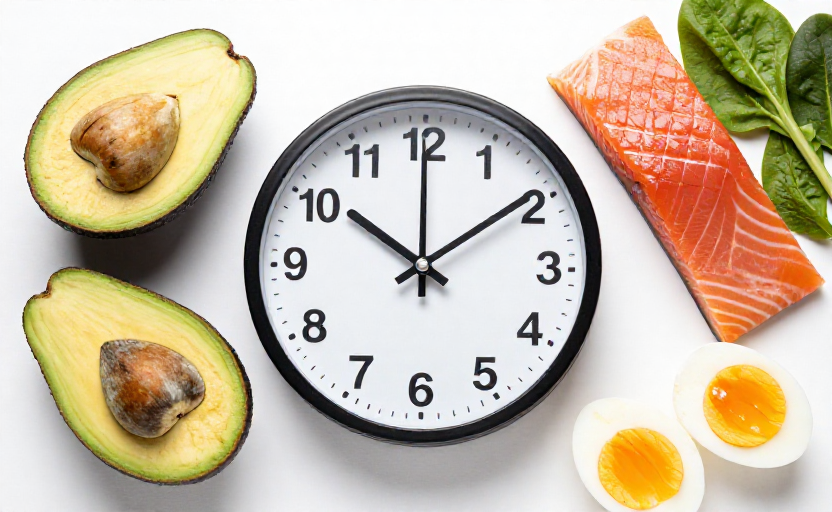
You’ve been diligent. You’re eating well, moving your body, and the scale was steadily moving in the right direction. Then, it just… stops. This weight loss plateau is a common, frustrating experience, and it often has less to do with *what* you’re eating and more with *when* you’re eating it. Your body’s internal clock, or circadian rhythm, plays a profound role in metabolism. By aligning your meal timing with this natural rhythm, you can gently nudge your body back into a state of efficient fat-burning.
Think of it not as a restrictive new diet, but as a subtle recalibration of your daily eating pattern. The goal is to work with your biology, not against it. Here are three expert-backed strategies that focus on the timing of your meals to help you move past that stubborn standstill.
Strategy 1: Embrace a Consistent Eating Window
One of the most powerful levers you can pull is consistency. Eating at wildly different times each day can confuse your metabolism, much like erratic sleep patterns disrupt your energy. Research in the field of chrononutrition suggests that a regular eating schedule helps regulate hunger hormones like ghrelin and leptin, improves insulin sensitivity, and signals to your body when to expect fuel.
This doesn’t necessarily mean you must adopt a strict form of intermittent fasting, though the principle is related. It’s about creating a predictable rhythm.
- Start with a 12-hour window. A practical first step is to contain all your eating within a consistent 12-hour period each day—for example, from 7 a.m. to 7 p.m. This gives your digestive system a clear, extended rest period overnight, which is linked to better metabolic health.
- Anchor your meals. Try to eat breakfast, lunch, and dinner at roughly the same times each day, give or take an hour. This regularity trains your body to anticipate and efficiently process food, potentially improving metabolic rate.
- Notice the difference. After a week or two of a consistent schedule, you might find your hunger cues become more predictable and manageable, which can naturally prevent overeating.
A chaotic eating pattern sends mixed signals to your metabolism. Consistency is a simple signal of safety and predictability that your body understands.
Strategy 2: Front-Load Your Calories
The old adage “eat breakfast like a king, lunch like a prince, and dinner like a pauper” holds more scientific weight than we once thought. Your body is primed to handle a larger calorie load earlier in the day when insulin sensitivity is higher and metabolic activity is naturally peaking.
When you consume a larger proportion of your daily calories in the evening, your body, which is winding down for rest, may be more likely to store those calories as fat. Shifting your intake earlier aligns with your circadian metabolism.
How to make the shift
This strategy is less about eating less overall and more about redistributing what you already eat.
- Prioritize a substantial breakfast or lunch. Ensure these meals are balanced with protein, fiber, and healthy fats to provide sustained energy and satiety. Think a veggie omelet, a large salad with grilled chicken or chickpeas, or a hearty grain bowl.
- Make dinner the lighter meal. Focus on lean protein and non-starchy vegetables. A piece of fish with roasted broccoli and a small sweet potato, or a hearty vegetable soup, can be satisfying without being heavy.
- Respect the evening wind-down. Try to finish your last meal at least 2-3 hours before bedtime. This allows for partial digestion before sleep, supporting better rest and overnight metabolic repair.
Strategy 3: Master the Art of the Strategic Pause
Sometimes, progress requires a pause. For a metabolism that has adapted to a certain routine, introducing a well-timed break from eating can be a catalyst for change. This strategy involves intentionally extending the natural fast you undergo while sleeping.
The concept is to create a longer period each day where your body isn’t processing food. During this fasted state, insulin levels drop, allowing your body to more readily access stored fat for energy. It’s a gentle metabolic reset that can help overcome adaptive thermogenesis—the slowdown in metabolism that often accompanies weight loss.
You can integrate this without drastic daily change. A popular and manageable approach is a 14:10 pattern: fasting for 14 hours and eating within a 10-hour window. For many, this simply means skipping late-night snacks and pushing breakfast a bit later.
Think of the fasting window as metabolic maintenance time. It’s when your body can focus on repair and efficient fuel-burning instead of digestion.
Listen to your body. If you feel weak or overly preoccupied with food, your window may be too narrow or you may need to adjust the nutrient density of your meals. The goal is sustainability, not punishment.
Putting It All Together
You don’t need to implement all three strategies at once. In fact, that could be overwhelming. Start with the one that feels most intuitive for your lifestyle. Often, beginning with a consistent 12-hour eating window naturally leads to earlier dinners and later breakfasts, incorporating elements of the other strategies.
Pay attention to how you feel—your energy, hunger, sleep quality, and digestion are excellent indicators of whether a timing pattern is working for you. Be patient; it can take a few weeks for your body to adjust to a new rhythm. The scale might not move immediately, but other positive changes often appear first.
Remember, meal timing is a tool, not a magic bullet. It works best when paired with the nutritious, whole-food diet you’re already eating. By syncing your meals with your body’s innate clock, you’re providing a clear, supportive structure that can help you navigate past a plateau and toward your long-term wellness goals.