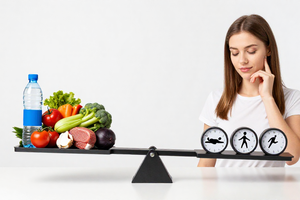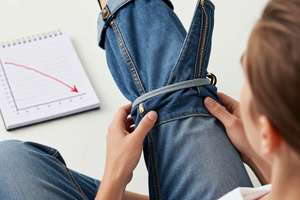
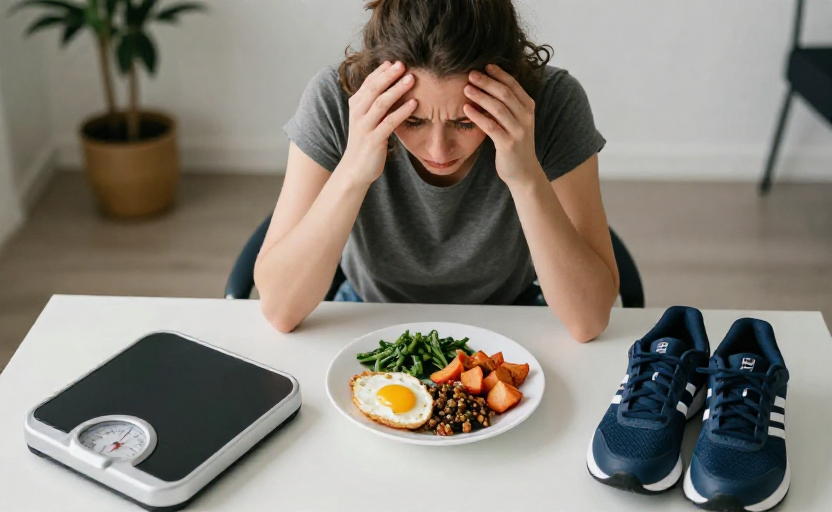
Stress and weight loss are a tricky pair. When life piles on pressure, many of us turn to food for comfort. That’s normal. But a few common stress eating habits can quietly undo your progress, even when you’re sticking to a workout routine. If you’ve been putting in the effort on the treadmill or in the kitchen but the scale isn’t budging, emotional eating might be the missing link.
Let’s walk through three specific mistakes people make when stress drives their food choices—and what to do instead, so you can stay on track without adding more pressure to your day.
Mistake #1: Eating on Autopilot Without Paying Attention
When you’re stressed, meals often happen while you’re working, scrolling, or worrying. You might finish a bag of chips or a whole bowl of pasta without really tasting it. This lack of awareness leads to eating more than your body needs—and still feeling unsatisfied afterward.
Mindless eating disconnects you from your body’s fullness signals. Because your brain is elsewhere, it doesn’t register the food as a real meal. Later, you might feel hungry again or guilty. This is a major reason stress eating slows weight loss: extra calories add up quickly, and the satisfaction never arrives.
The fix: Try taking three deep breaths before you eat. Set down your fork between bites. Even a few moments of presence can cut intake without feeling like deprivation.
Mistake #2: Reaching for Quick Comfort Foods That Backfire
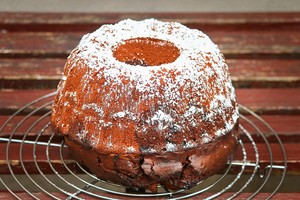
Stress triggers cravings for foods high in sugar, salt, and fat—the kind that feel good for a few minutes. Think cookies, chips, ice cream, or takeout. These foods give a fast dopamine spike, but they also spike your blood sugar and leave you crashing later. That crash can lead to more cravings and more stress.
When this cycle repeats, weight loss stalls. Your body stores excess sugar as fat, especially around the belly. And because these foods lack fiber and protein, they don’t keep you full. You end up eating more total calories while feeling worse.
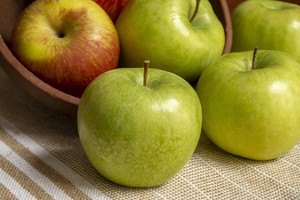
What helps: Keep one or two satisfying, nutrient-dense options ready. A handful of almonds, Greek yogurt with berries, or crunchy vegetables with hummus can calm a stress craving without the crash. The goal isn’t to ban comfort—it’s to choose comfort that supports your energy, not derails it.
Mistake #3: Using Food as the Only Stress Coping Tool
When stress hits, food can feel like the easiest way to feel better. It’s available, it’s fast, and it numbs the feeling for a moment. But if eating is your only way to handle anxiety, frustration, or overwhelm, it becomes a weight loss roadblock.
Eating in response to emotion (not hunger) often means eating past fullness. It also trains your brain to see food as a reward or a stress reliever. Over time, this can make it hard to tell when you’re actually hungry. And when food is your main release, it’s tough to break the habit.
Try this instead: Build a short list of non-food stress relievers. A 5-minute walk, a few stretches, deep breathing, or stepping outside can shift your state. Even one small pause before reaching for food can make a difference. Over time, you’ll rely less on food and more on tools that don’t slow your weight loss.
How to Break the Cycle Without Extra Pressure
Stress eating isn’t a weakness—it’s a natural response. But small adjustments can change the pattern. Start by noticing one habit this week. Maybe it’s eating while distracted, or reaching for sweets when you’re tired. Pick one fix and practice it until it feels automatic.
Weight loss progress isn’t just about what you eat. It’s also about how you eat. By shifting how you respond to stress, you can support both your health and your goals without turning food into a fight.
If you’re working hard in the gym or following a plan, your eating habits deserve the same care. When stress shows up, you have options—and they don’t all involve a snack.