Postpartum hair loss is a normal part of the journey after having a baby, but it can still feel unsettling to see clumps of hair in the shower or on your brush. For many new parents, the instinct is to frantically try to stop the shedding, often leading to well-meaning but counterproductive scalp care habits. Your scalp is recovering from major hormonal shifts, and it needs gentle, targeted care—not harsh treatments.
Here are three common scalp care mistakes new parents make during this phase, along with practical, soothing alternatives that support your hair and scalp health.
Mistake 1: Over-washing or under-washing your hair
Hormonal fluctuations after childbirth can change your scalp’s oil production. Some new parents find their scalp becomes oilier, while others experience unexpected dryness. In response, people often either wash their hair more frequently to remove excess oil, or they avoid washing altogether, fearing that shampooing will accelerate hair loss.
Both extremes can create problems. Too much washing strips the scalp of its natural protective barrier, which can lead to irritation, inflammation, and a dry, flaky scalp. This environment is not ideal for new hair growth. On the other hand, infrequent washing allows sebum, dead skin cells, and product buildup to accumulate, which can clog hair follicles and potentially slow regrowth.
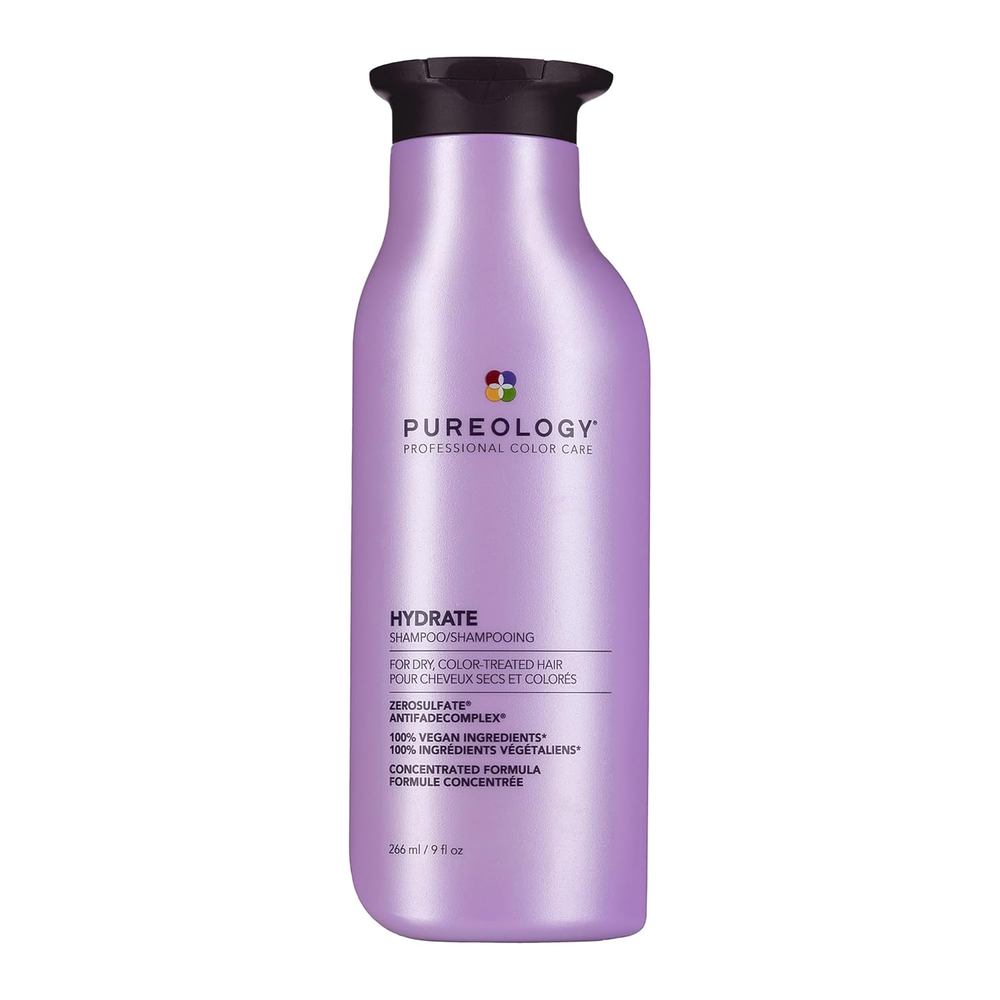
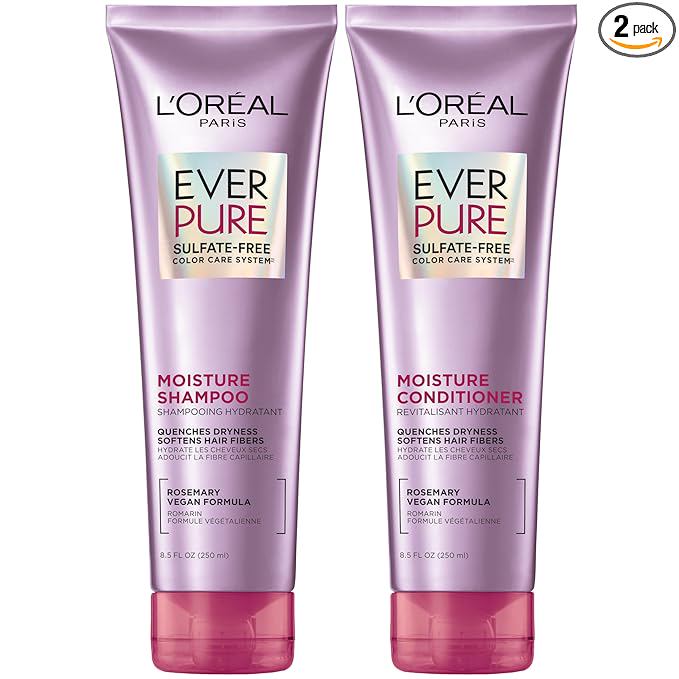
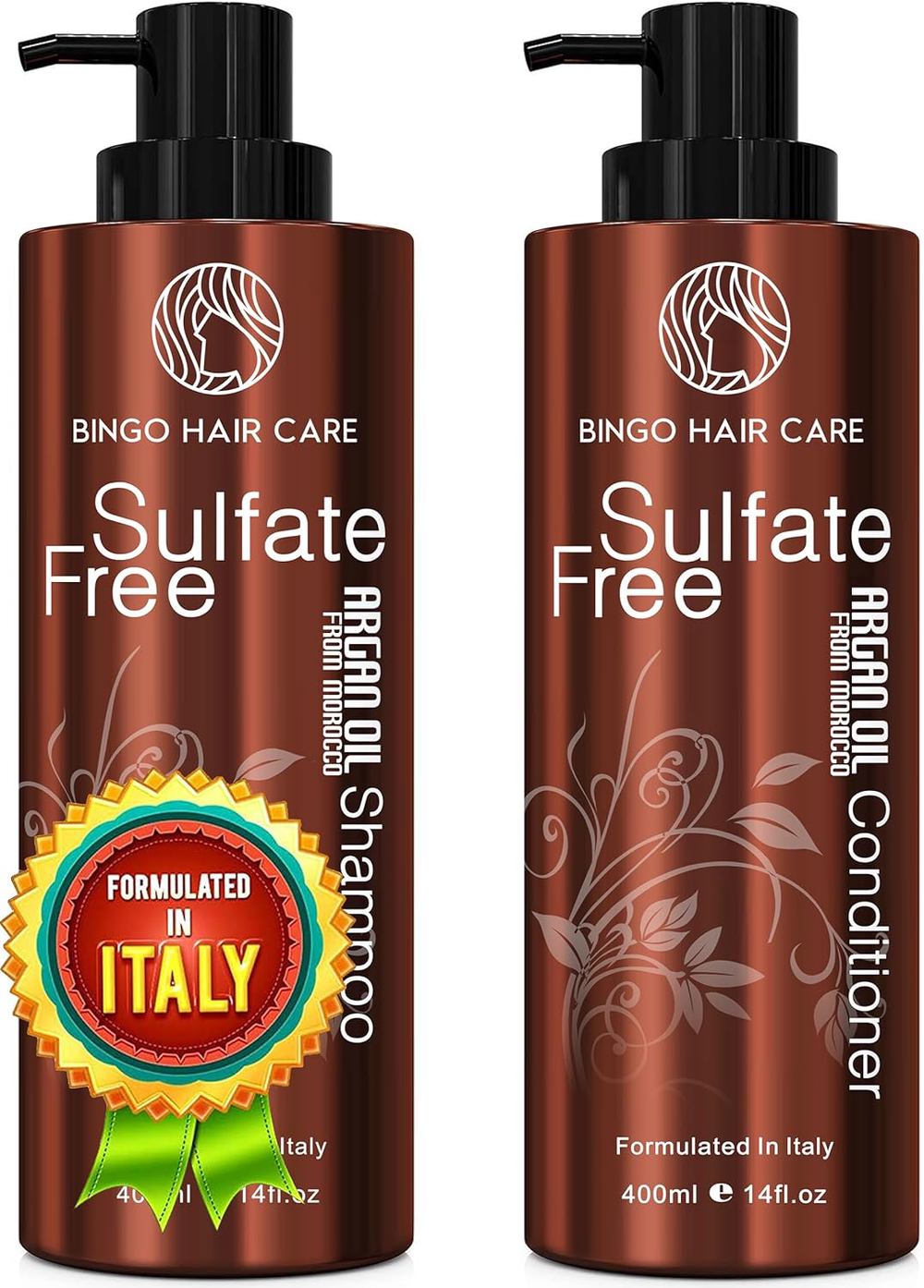
What to do instead: Aim to wash your hair two to three times per week, adjusting based on your scalp’s needs. Use a mild, sulfate-free shampoo that cleanses without stripping. Focus the shampoo on your scalp, not the lengths of your hair, and follow with a lightweight conditioner on the mid-lengths and ends to avoid weighing down your roots.
Mistake 2: Aggressive scrubbing and brushing
When you see hair falling out, it can be tempting to vigorously scrub your scalp in the shower to “deep clean” it or to brush your hair repeatedly in hopes of redistributing oils and stimulating circulation. While gentle stimulation can be beneficial, harsh scrubbing and rough brushing often do more harm than good during the postpartum period.
Your hair follicles are already in a fragile state due to the natural shedding phase (telogen effluvium) triggered by the drop in pregnancy hormones after delivery. Aggressive friction can dislodge hairs that are still loosely attached, making the shedding seem worse than it actually is. It can also irritate the scalp, leading to redness, tenderness, and even tiny abrasions that invite bacteria.
What to do instead: When washing your hair, use the pads of your fingertips—not your nails—to gently massage your scalp in circular motions. This stimulates blood flow without trauma. For brushing, start with a wide-tooth comb or a soft, flexible bristle brush. Begin at the ends of your hair and work your way up to the roots to gently detangle without yanking. Avoid brushing when your hair is wet, as wet strands are more elastic and prone to breakage.
Mistake 3: Using harsh or stimulating hair products
Desperate to stop hair loss, many new parents reach for products promising dramatic results: invigorating scalp scrubs, peppermint oil–based serums, or anti-hair-loss shampoos packed with active ingredients. While some of these may be helpful under normal circumstances, they can be too harsh for a postpartum scalp that is already sensitive and inflamed.
Strong essential oils (like peppermint, tea tree, or clove) can cause a stinging or burning sensation if your scalp barrier is compromised. Physical scrubs with large, gritty particles (such as walnut shell or salt) can create micro-tears in the skin, worsening irritation and potentially leading to temporary hair shedding at the follicle. Even some common ingredients like sulfates and high concentrations of alcohol can dry out the scalp, making matters worse.
What to do instead: Keep it simple. Choose fragrance-free or gently scented products formulated for sensitive scalps. Look for soothing ingredients like aloe vera, chamomile, or colloidal oatmeal. If you want to use a scalp treatment, opt for a gentle, water-soluble serum with ingredients like niacinamide or peptides that support the scalp barrier without overwhelming it. Avoid products with a long list of botanical extracts or essential oils—more ingredients often mean more potential irritants.
Be patient: Postpartum shedding is temporary
One of the hardest parts of postpartum hair loss is the waiting. It’s important to remember that this type of shedding is a normal physiological response to a major life event. Most new parents see hair loss start around three to four months after delivery and notice regrowth (often in the form of short, flyaway hairs around the hairline) by six to nine months. Focus on creating a calm, supportive environment for your scalp rather than trying to fight the shedding directly. With time and gentle care, your hair will find its balance again.