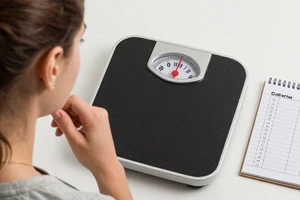
You track your calories, choose whole foods, and exercise regularly—yet the scale barely budges. If this sounds familiar, the problem might not be what you eat but when you eat. Dietitians say that small missteps in meal timing can quietly sabotage your progress. Here are three common timing mistakes that could be slowing your weight loss, plus practical fixes you can start today.
Mistake #1: Eating Too Late at Night
When dinner or snacking creeps past 8 or 9 p.m., your body's natural circadian rhythm is already preparing for rest. Late eating can disrupt sleep quality and blunt the body's overnight fat-burning phase. One study in the Journal of Clinical Endocrinology & Metabolism found that eating later in the evening was linked to higher body fat and slower metabolism the next morning.
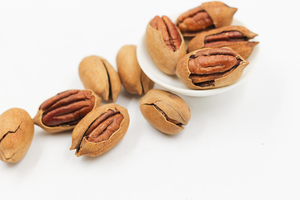
What to do instead: Aim to finish your last meal or snack at least three hours before bedtime. If you need a small bite after dinner, choose something light—think a handful of almonds or a cup of herbal tea rather than a bowl of ice cream or heavy leftovers.
Mistake #2: Skipping Breakfast (or Eating It Too Late)
Intermittent fasting can be effective for some, but for many people, pushing the first meal past 11 a.m. or skipping it entirely leads to ravenous hunger later in the day. That afternoon energy crash often triggers overeating or poor food choices. Eating a balanced breakfast within 90 minutes of waking can help stabilize blood sugar and curb the urge to binge later.
What to do instead: Have a protein-rich breakfast within two hours of waking. A simple mix of eggs, Greek yogurt, or a smoothie with protein powder can keep you satisfied and prevent the mid-morning slump that sets you up for overeating.
Mistake #3: Eating Too Sporadically Throughout the Day
Grazing on small snacks without a consistent schedule confuses your body's hunger and fullness signals. When you eat at irregular times, your metabolism may not run as efficiently, and you can easily consume more than you think. The body prefers predictability—regular meals help regulate appetite hormones like ghrelin and leptin.
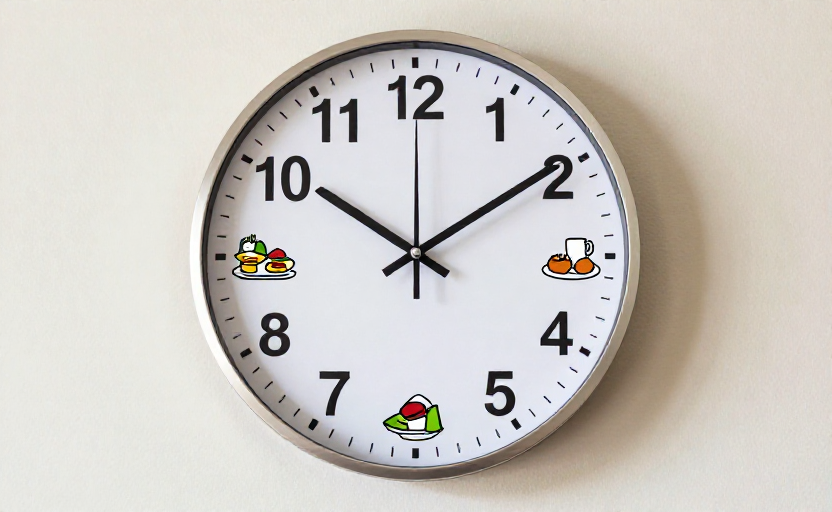
What to do instead: Plan three moderate meals or four smaller meals at roughly the same times each day. If you snack, make it intentional and balanced (protein + fiber), not mindless munching from a bag. Consistency helps your body know when to expect fuel—and when to burn stored fat.
Dietitian's tip: Think of your eating window like a schedule for a train—consistent arrivals mean everything runs on time. Irregular meals? Expect delays and derailments.
Putting It All Together
Weight loss isn't just about what's on your plate—it's also about the clock. By avoiding these three timing pitfalls, you can support your metabolism, improve sleep, and make your healthy eating habits work harder. Small tweaks to your schedule might be the missing piece in your weight loss puzzle.