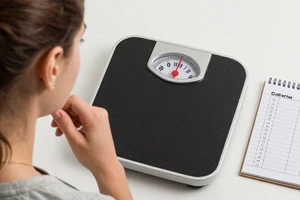
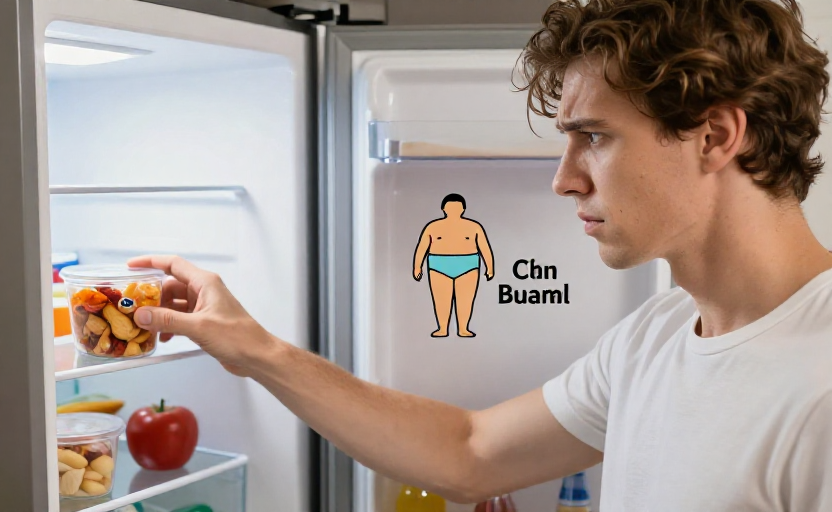
You track your meals, hit the gym, and feel like you're finally making progress. Then the week goes sideways. A deadline looms, a disagreement lingers, the house feels too quiet—and suddenly you're standing in front of the pantry, eating without really tasting. Stress eating can quietly dismantle weeks of fat loss work, often before you even realize what's happening.
Understanding the line between normal hunger and stress-driven eating is the first step in protecting your progress. Two specific warning signs can help you catch yourself before a moment of comfort turns into a pattern that undermines your goals.
Warning Sign #1: You Eat When You Aren't Physically Hungry
True hunger builds gradually and can be satisfied by a range of foods. Stress hunger is different. It tends to hit suddenly, feels urgent, and often zeroes in on one specific craving—usually something crunchy, salty, or sweet.
If you notice that your desire to eat appears without any stomach-growling or time-since-last-meal logic, stress may be pulling the strings. The body's stress response raises cortisol, which can increase appetite and drive cravings for energy-dense foods. When you eat in response to a tense email or an argument rather than an empty stomach, you're likely feeding an emotion, not a nutritional need.
A quick check: before you eat, pause and rate your physical hunger on a scale from 1 (ravenous) to 10 (stuffed). If you're above a 5 and still reaching for food, ask yourself what you're really looking for.
Warning Sign #2: You Feel Out of Control While Eating
Stress eating often feels automatic. One moment you're walking past the kitchen, the next moment the bag is half-empty. You might eat faster than usual, barely taste the food, or feel a sense of numbness while chewing. This lack of awareness is a red flag.
When stress triggers the brain's reward system, the act of eating becomes a way to downshift the nervous system. You're not eating for fuel—you're eating for relief. The problem is that relief is temporary, and after the food is gone, the original stressor remains, often accompanied by guilt and shame that can fuel another cycle of eating.
If you find yourself finishing a snack and realizing you barely registered eating it, that's a sign that stress is driving the bus.
How Stress Eating Affects Fat Loss
It's not just about the calories—though those matter too. Chronic stress can alter how your body stores fat. Elevated cortisol encourages fat storage around the midsection, making belly fat especially stubborn. At the same time, stress can reduce your motivation to move, disrupt sleep, and lower your resting metabolism.
Even if you're eating the same number of calories you were before your stress spiked, the hormonal environment in your body changes. Your body shifts into conservation mode, prioritizing fat storage over fat burning. That combination—more cravings, less movement, poorer sleep, and hormonal shifts—can stop fat loss in its tracks.
Breaking the Cycle Without Obsessing
The goal isn't perfection. Stress happens. A few extra crackers or a cookie won't undo all your work—but a daily pattern of emotional eating that goes unchecked will.
Build a pause into your routine
When you notice your hand reaching for food without a clear hunger signal, give yourself 90 seconds. Breathe deeply. Drink a glass of water. Step outside or switch rooms. Often the intensity of a craving fades when you disrupt the autopilot.
Find alternative comfort
Stress eating is often about needing a sensory experience or a break. A warm mug of tea, a five-minute stretch, a phone call with a friend, or even a few minutes of deep breathing can provide the same emotional reset without the food.
Keep trigger foods out of easy reach
This is practical, not punitive. If you know you're vulnerable to stress snacking on chips or chocolate, keep smaller portions available or store them somewhere less convenient. The extra step of having to retrieve them creates a split-second chance to reconsider.
Fat loss is rarely derailed by one meal. It's the accumulated days of stress-driven snacking, mindless nibbling, and eating in response to emotions that add up. Recognizing these two warning signs gives you a chance to pause and choose something different—not because you're weak, but because you're aware.
This content is for general wellness education only and does not replace individualized medical advice. If stress eating is interfering with your health goals or your relationship with food, consider speaking with a registered dietitian or mental health professional.