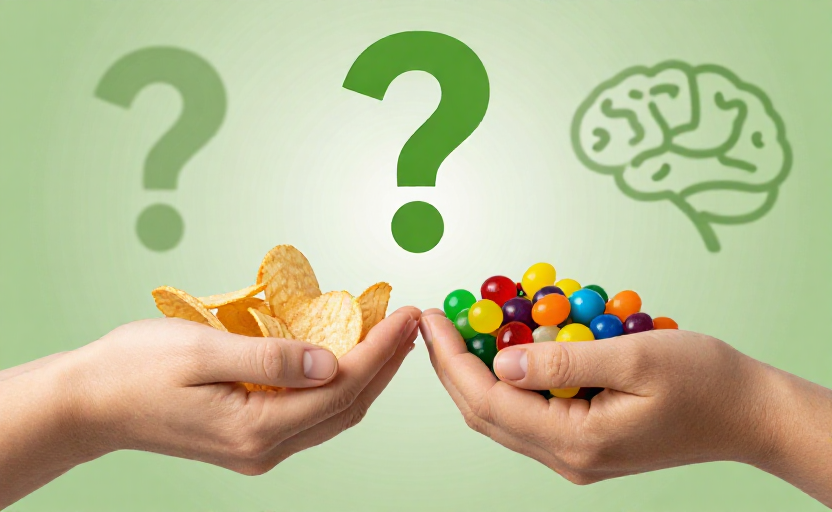
You reach for a handful of chips mid-afternoon, and before you know it, the bag is empty. You aren't hungry for dinner an hour later, but you feel a restless urge to eat something sweet. If this scenario sounds familiar, your snack choices might be sending mixed signals to your brain's natural appetite control system.
Most of us eat snacks without thinking twice. But what you eat between meals has a powerful effect on the gut-brain signaling that regulates when you feel hungry and when you feel full. When the wrong types of snacks keep showing up, they can slowly disrupt those signaling pathways, leaving you confused about what your body actually needs. Below are two major warning signs that your snack habits are interfering with your hunger cues, plus practical advice for resetting them.
1. You feel hungry again within an hour of eating
One of the most reliable indicators that something is off is the short-lived satiety you get from your snacks. If you eat a snack and feel genuinely hungry again inside 45 to 60 minutes, that food likely lacked the protein, fiber, or healthy fat needed to stabilize blood sugar and signal fullness to your brain.
Ultra-processed snacks like pretzels, crackers, or sugary granola bars deliver a quick surge of glucose, causing a spike in insulin that rapidly clears the sugar from your bloodstream. The resulting dip in blood glucose often triggers feelings of low energy, irritability, and—most noticeably—a new wave of hunger. This creates a cycle where you keep reaching for more snacks despite having consumed enough total calories.
The subtle trap of glycemic overload
Not all carbs are equal in this regard. Whole fruit, for instance, provides fiber that slows sugar absorption. But snacks made with refined flour or added sugar load the system so quickly that the body's compensatory insulin response can overshoot. This is why a handful of potato chips can leave you hungrier than an apple with a tablespoon of almond butter would.
If you find that your afternoon or evening snacks never truly satisfy you for more than 30 to 60 minutes, it's a strong cue that your snack choices are interfering with the gut hormones—like ghrelin and cholecystokinin—that are supposed to tell your brain, "You've had enough."
2. You don't feel physical hunger at meal times
The second warning sign runs in the opposite direction. You skip breakfast or push lunch back because you simply don't feel hungry, yet by late afternoon you feel out-of-control around any food you see. This erratic hunger signal is another hallmark of a disrupted appetite regulation system.
Consistent snacking on calorie-dense but nutrient-poor foods can dampen the body's natural hunger peaks. When your body expects small inputs of sugar and refined fat throughout the day, the neural circuits that normally ramp up ghrelin before meals start to fade. Over time, you lose the distinct rise and fall of hunger that tells you when it is biologically appropriate to eat.
How snacks override your internal rhythm
Research suggests that foods high in added sugar and low in protein and fiber can alter the signaling of the hormone receptor GLP-1, which promotes satiety. When you snack frequently on such foods, your system can become less sensitive to natural satiety cues, and you may feel neither full nor hungry until extreme states occur—like that sudden ravenous feeling at 4 p.m. that leads to a full bag of chips.
In essence, your snack choices can make your brain forget what true hunger feels like.
How to recalibrate your hunger cues
The good news is that hunger signals are trainable. By adjusting the composition and timing of your snacks, you can help your body rediscover genuine hunger and fullness. Focus on two simple shifts:
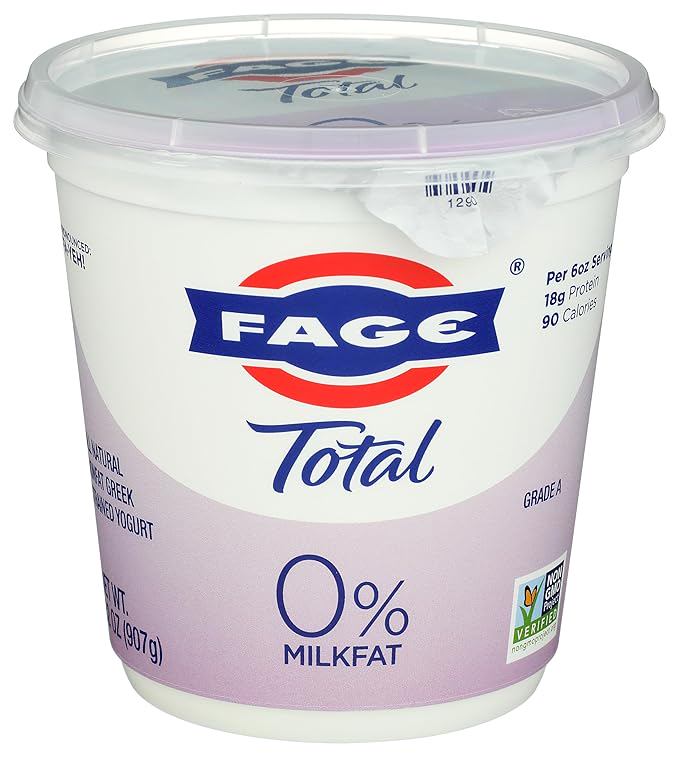
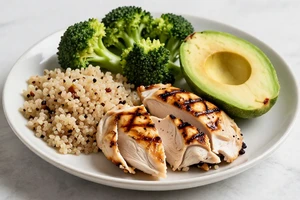
- Combine macronutrients. Pair a carbohydrate source (apple, carrot sticks, whole-grain crackers) with a protein or fat source (nuts, Greek yogurt, hummus, cheese stick). This slows digestion and keeps your blood sugar steady for 2 to 3 hours.
- Eliminate the white-knuckle gap. If you find you're not hungry for a meal, wait. Eat only when you feel a moderate stomach hunger—not boredom, stress, or habit. Let that physical emptiness be your guide.
Start with one snack swap
You don't need to overhaul everything at once. For one week, pick the snack you most often eat when you are not truly hungry and replace it with a handful of walnuts and an orange, or half an avocado on a slice of whole-grain toast. Notice whether you feel a difference in your next meal's hunger level. That awareness often breaks the old habit.
If you have been struggling with cravings, consider that your brain might be addicted to the dopamine hit of high-sugar, high-fat foods. This chemical reward can override satiety signals. Recognizing this doesn't mean you need to eliminate treats entirely, but it helps to see them for what they are—rewards, not fuels—and to eat them sparingly, ideally after a balanced meal rather than on an empty stomach.
When to seek support
For most people, the warning signs above indicate a behavioral pattern that can be adjusted with awareness. However, if you consistently feel ravenous soon after eating or have no hunger for extended periods despite eating very little, it is a good idea to discuss your symptoms with a healthcare professional. Conditions like reactive hypoglycemia, insulin resistance, or even certain endocrine disorders can mimic diet-driven disruptions, so a proper personal workup matters.