You track your workouts, you skip the sweets, yet that stubborn belly fat seems glued in place. More often than not, the culprit isn't what you're eating—it's how much of it you're eating. Portion sizes have quietly crept up over the years, and two distinct warning signs usually reveal that your servings are working against your waistline.
Warning Sign #1: You Can't Remember the Last Time You Felt Hungry Between Meals
It sounds counterintuitive, but if you never feel a pang of hunger before lunch or dinner, your portions are likely oversized. When you consistently eat servings that exceed your body's energy needs, your stomach stretches to accommodate the extra volume. Over time, the satiety signals that once told you to stop—the gentle pressure, the hormone leptin telling your brain you've had enough—get delayed or muffled.
Think of it this way: a healthy portion should leave you satisfied, not stuffed. You should be able to look forward to your next meal, not dread it because you're still full from the last one. If three to four hours after a meal you feel no real hunger, that's a red flag that your plate is holding more calories than your body requires for fat loss.
Warning Sign #2: Your Main Dish Overwhelms Your Vegetables
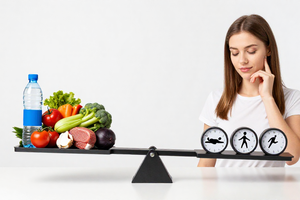
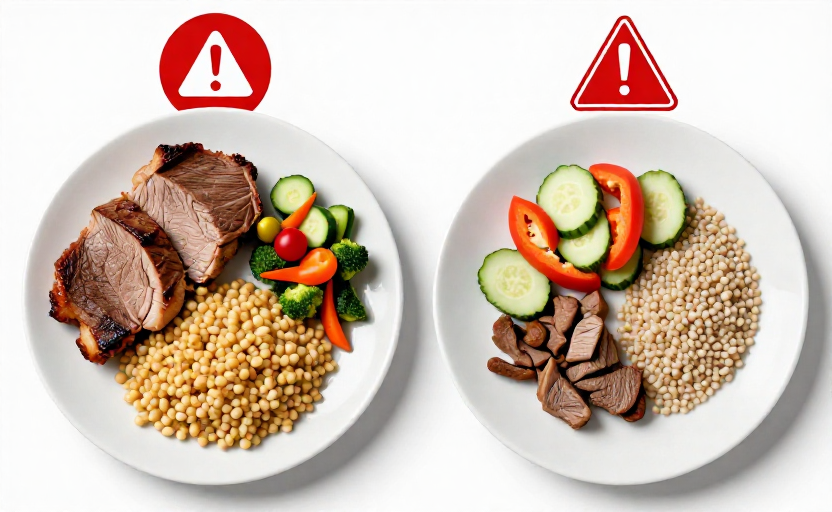
Look down at your plate right now. Do you see a landscape of protein and starch with a small patch of greens pushed to the side? This visual imbalance is one of the most reliable signs that your portions aren't aligned with belly-fat loss. The ideal plate for weight management, according to many nutrition experts, is roughly half vegetables, a quarter lean protein, and a quarter complex carbohydrates. When the protein or carb section dominates, you're likely consuming far more calories than you realize, especially if those components are cooked with oils, sauces, or butter.
Vegetables are low in calories and high in fiber and water, which help fill your stomach and signal fullness without adding to your energy surplus. If your veggie portion looks like a garnish rather than the main event, it's time to rethink the ratio.
Why Portions Matter More for Belly Fat Than You Think
Belly fat, or visceral fat, is particularly sensitive to calorie excess. When you consistently eat more than your body burns, the surplus energy is preferentially stored in the abdominal area due to hormonal factors like elevated insulin and cortisol. Even healthy foods—think quinoa, avocado, or grilled chicken—can hinder progress if the portions are too large. A 1.5-cup serving of quinoa may be a rich source of fiber, but it also delivers roughly 450 calories. Eat that alongside a chicken breast drizzled with olive oil, and your single meal could top 700 calories before you add vegetables or dressing.
Controlling portion size is one of the most effective levers you can pull for reducing belly fat because it directly reduces calorie intake without requiring you to eliminate any food group. It's a strategy of moderation, not deprivation.
Practical Fixes You Can Try Today
If either of those warning signs sounds familiar, small shifts can make a big difference. Start by using smaller dinner plates—a 9-inch plate instead of an 11-inch one naturally reduces your serving size without making you feel deprived. Next, adopt the palm method for protein and the fist method for vegetables. A serving of meat, fish, or tofu should be about the size and thickness of your palm. Vegetables should fill your cupped hands.
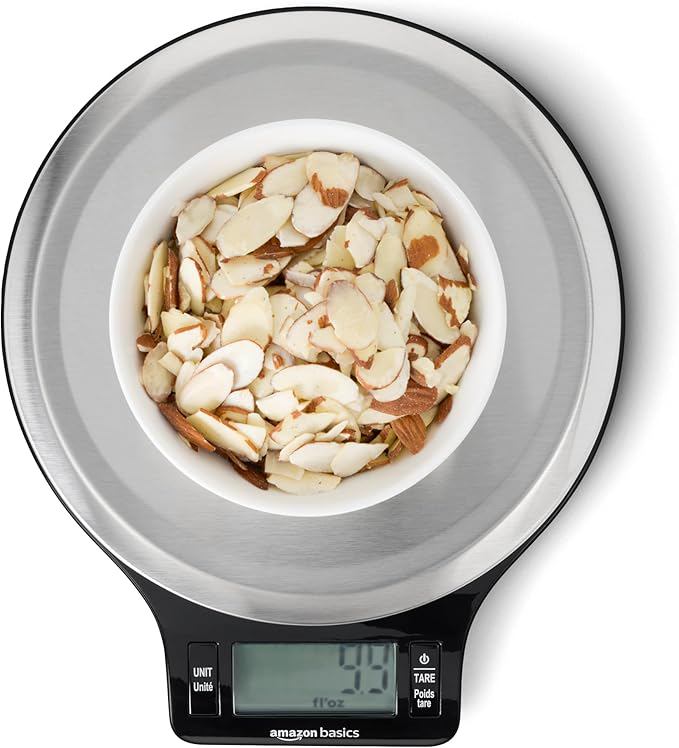
Another easy trick is to portion out snacks rather than eating straight from the bag. It's very hard to gauge how many almonds you've eaten after three handfuls from a large container, but a small bowl holding one serving (about 14 almonds) makes the boundary clear. Also, try drinking a glass of water ten minutes before each meal. This simple habit helps your stomach register volume, which can reduce the amount you eat by about 15% according to some studies.
Finally, slow your eating speed. It takes roughly twenty minutes for your brain to receive the signal that your stomach is full. Eating quickly allows you to overconsume calories before your satiety cues ever have a chance to kick in. Put your fork down between bites, chew thoroughly, and engage in conversation if you're eating with others.