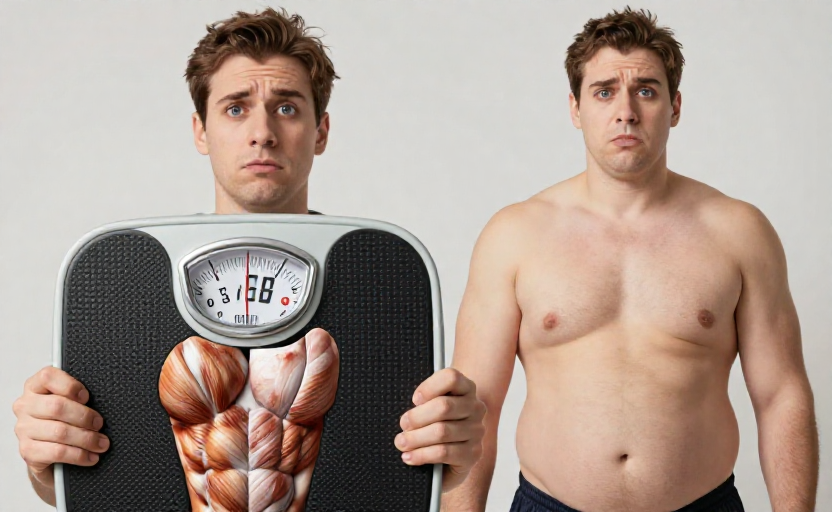
When you step on the scale and see the number dropping, it's easy to assume you're losing fat. But weight loss isn't that straightforward. If you're not careful, your body can break down muscle tissue for energy, especially when calories are too low or protein is scarce. Losing muscle slows your metabolism and leaves you weaker. Here are two clear warning signs that your diet may be costing you lean mass, not just fat.
Your strength and endurance are dropping
A reliable sign that muscle is being lost is a noticeable decline in how much you can lift, push, or carry. If you used to breeze through your workout sets and now you're struggling with weights you once handled easily, your body may be using muscle protein for fuel. This happens when you're in a calorie deficit that is too severe or when you're not eating enough protein to support muscle repair.
When you lose muscle, your body's metabolic rate slows down. That's because muscle tissue burns more calories at rest than fat does. The result? You may hit a weight-loss plateau sooner, and when you return to normal eating, you can regain fat more quickly. Tracking not just the scale but also your strength in the gym gives you a clearer picture of what you're actually losing.
Your energy feels drained and recovery takes longer
Feeling unusually fatigued, irritable, or sore long after a workout can signal muscle breakdown. Muscle tissue requires adequate protein and overall energy intake to repair itself. If your body doesn't have enough raw materials, it starts catabolizing — breaking down its own muscle — to meet its energy needs. This leaves you feeling depleted and slows your recovery between exercise sessions.
Pay attention to how you feel one to two hours after a workout. Persistent heaviness in your limbs or soreness that lingers for days, rather than diminishing within 24 to 48 hours, is a strong clue. Your diet might not be providing enough protein or total calories to preserve the muscle you've worked to build.
A quick check: If you're losing more than 1 to 2 pounds per week consistently, especially when you aren't significantly overweight, you could be losing a meaningful amount of muscle along with fat. A slower, more controlled loss — combined with strength training — better protects lean mass.
How to protect your muscle while losing fat
The good news is that you can adjust your approach before the damage is done. Three elements matter the most: protein, calorie pacing, and strength training.
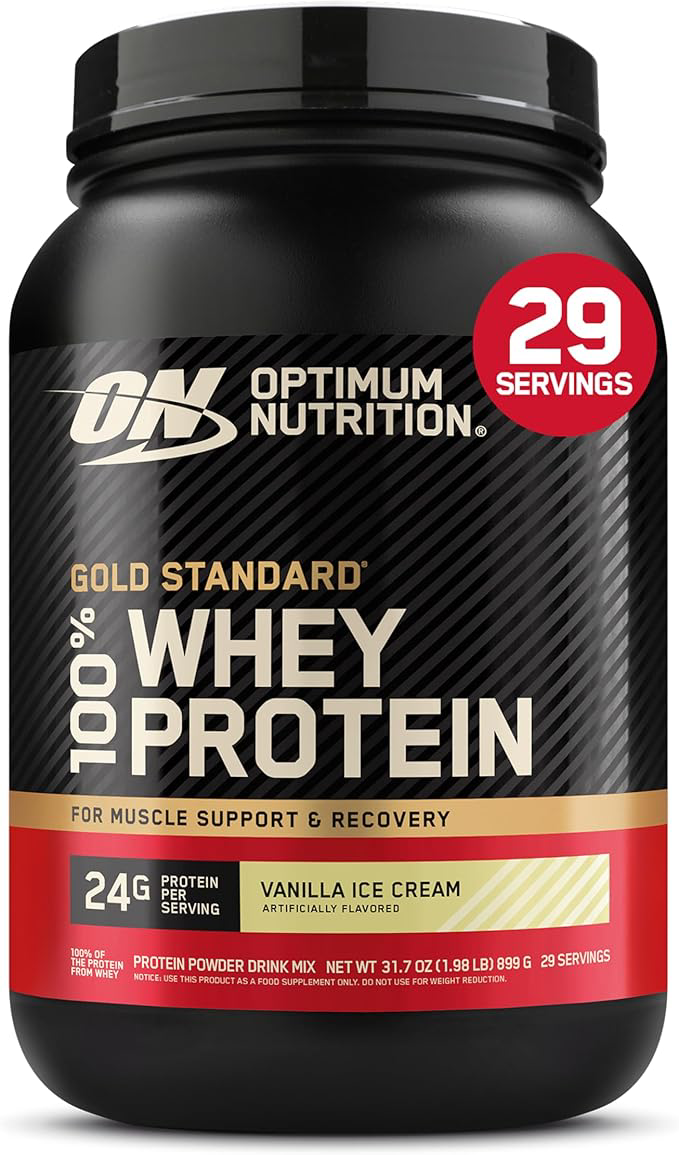
- Prioritize protein — Aim for a source of high-quality protein at every meal and after exercise. Foods like lean meats, eggs, dairy, legumes, and tofu provide the amino acids your muscles need to repair and grow.
- Avoid crash diets — Extremely low-calorie plans speed up muscle loss. A moderate deficit — around 300 to 500 calories below maintenance — usually allows for fat loss while preserving lean tissue better.
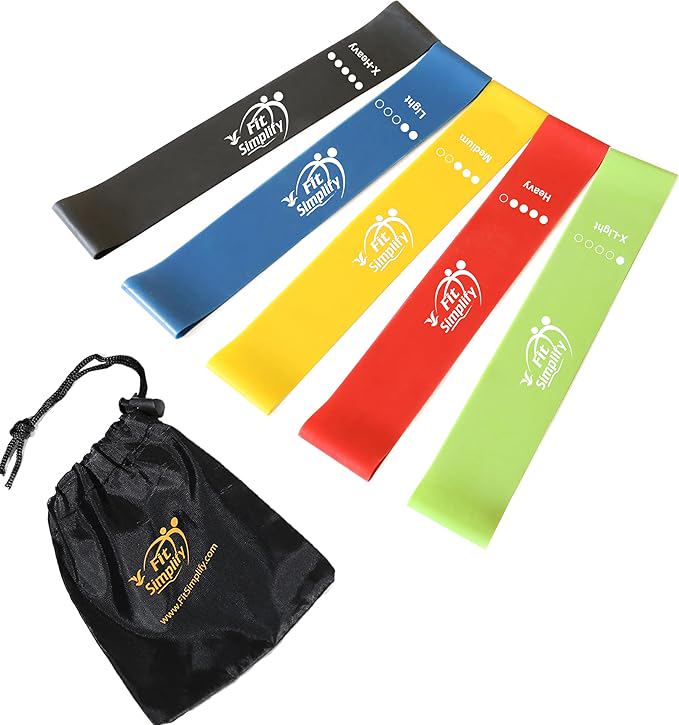
- Do not drop strength training — Cardio alone won't hold onto muscle. Keep lifting weights or doing bodyweight resistance exercises at least twice a week. This signals your body to keep muscle even while in a calorie deficit.
When to consult a professional
If you're experiencing rapid weight loss, extreme fatigue, or a loss of strength that interferes with daily life, speak with a registered dietitian or a doctor. They can evaluate your specific energy and protein needs and rule out underlying conditions. Losing muscle is not a necessary part of weight loss; with the right strategy, you can shed fat while maintaining the strength that keeps you healthy and active.