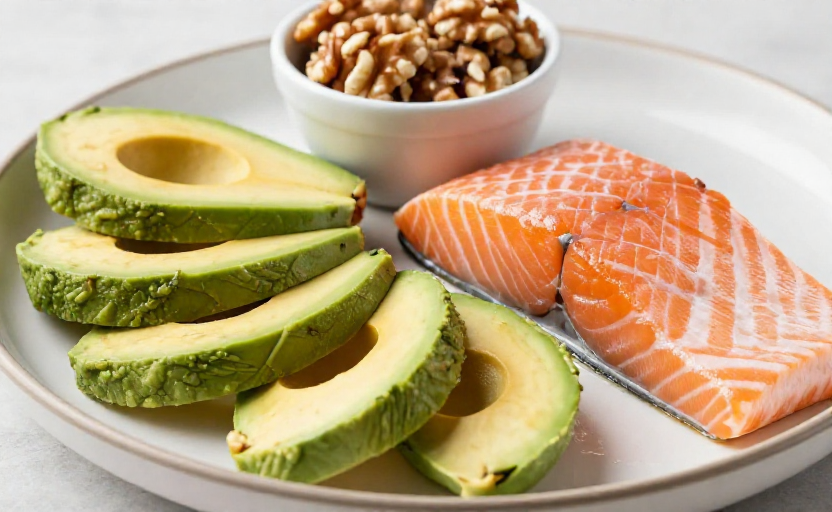
Healthy fats are not the enemy. In fact, they are essential building blocks for your hormones. When your diet is too low in these key nutrients—often due to extreme low-fat dieting or highly processed food choices—your endocrine system can start to send out distress signals. Many people mistake these signals for something else entirely. Here are two distinct symptoms that point directly to a lack of healthy fats and what they mean for your body.
1. Irregular or Missing Menstrual Cycles
Your ovaries rely on cholesterol and fatty acids to produce estrogen, progesterone, and other sex hormones. When dietary fat intake drops too low, the body may decide that reproduction is not a priority. This often shows up as a cycle that becomes irregular, lighter, or stops altogether.
This is not about body fat percentage alone. A woman can have a perfectly healthy weight but still not consume enough fats from food to maintain a stable cycle. If you have noticed your period becoming inconsistent after switching to a very low-fat meal plan, your diet could be the missing link.
Think of healthy fats as the raw material for hormone production. Without adequate intake, the assembly line slows down or stops.
2. Chronically Dry Skin, Hair, and Nails
Dry skin is often blamed on weather or water intake. However, severe dryness that does not improve with lotion or hydration may signal a fatty acid deficiency. Your sebaceous glands need omega-3 and omega-6 fatty acids to produce sebum, the natural oil that keeps skin supple and hair strong.
When levels are low, skin can feel flaky, hair can become brittle, and nails may chip easily. This is not just cosmetic—it reflects the fact that your cells are struggling to maintain healthy membranes. Because every cell in your body requires a lipid layer to function properly, a shortage of fats can affect hormone signaling at the cellular level.
Why These Two Symptoms Matter for Hormone Health
These two signs—menstrual changes and dry skin/nails—are relatively easy to spot. They are also among the earliest indicators that your body is not getting the fat it needs. Other subtle clues include feeling cold often, constant hunger after meals, and brain fog.
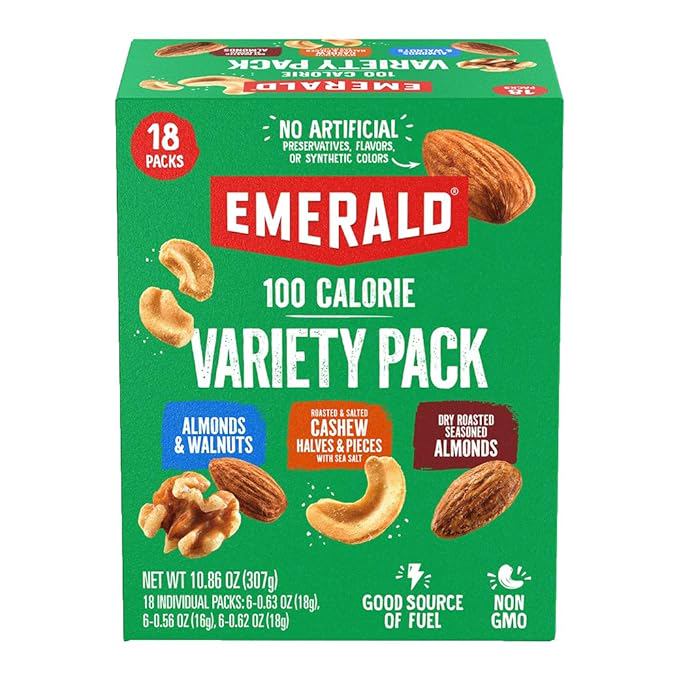
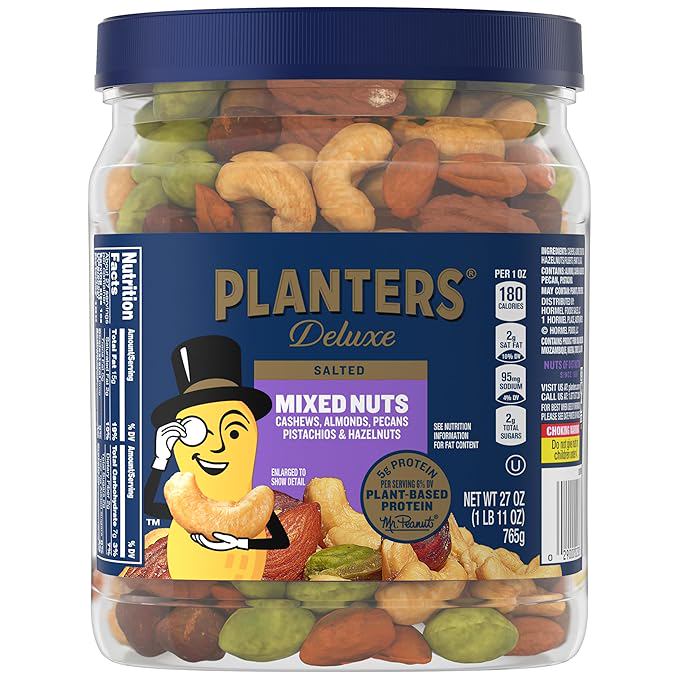
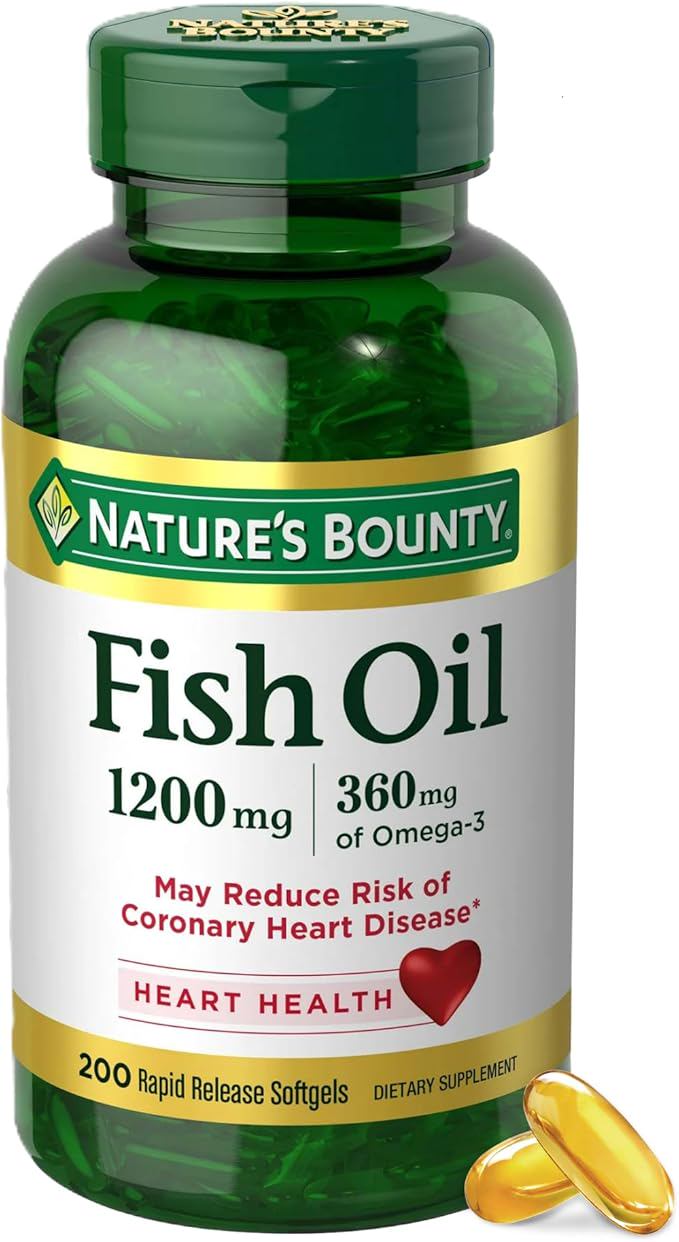
It is worth noting that not all fats have the same effect. Your body needs a mix of saturated, monounsaturated, and polyunsaturated fats (including omega-3s) to create hormones properly. Cutting out whole food groups like nuts, seeds, avocados, eggs, and fatty fish can quickly lead to imbalances.
How to Know If Your Fat Intake Is Too Low
A simple way to check is to look at your overall eating pattern over a few days. If you are regularly eating meals with less than 10 to 15 grams of fat, or if you have eliminated fat-rich whole foods, your hormone production may suffer. This is especially common in people who follow very restrictive diets or rely heavily on low-fat packaged foods.
- Look for variety: Aim to include a source of fat at each meal, such as olive oil, nuts, seeds, or avocado.
- Watch the quality: Minimize industrial seed oils and trans fats. Focus on whole-food fat sources.
- Observe your body: If you notice the two symptoms above, try increasing your fat intake slightly and watch for changes over a few weeks.
Adequate fat intake does not mean eating large amounts of unhealthy fats. It means including sensible portions of nourishing fats as part of a balanced diet.
What Healthy Fats Support Hormone Production?
The specific fats that help most with hormone balance include those found in avocados, extra-virgin olive oil, coconut oil, fatty fish like salmon and sardines, whole eggs, nuts, seeds, and full-fat dairy if tolerated. These provide the building blocks for steroid hormones and help your body absorb fat-soluble vitamins (A, D, E, K) that further support endocrine function.
It is also important to keep in mind that total dietary fat needs vary from person to person. Factors like age, activity level, and overall health status play a role. But for most women, dropping below 20 percent of total calories from fat can start to interfere with hormone production.
If you suspect your diet is lacking, consider adding one or two servings of healthy fats to your daily meals. Simple swaps include dressing a salad with olive oil instead of fat-free dressing, eating a handful of walnuts as a snack, or cooking eggs in a little butter or coconut oil. Small changes can begin to restore balance over time.
Paying attention to these two signs—menstrual cycle changes and persistently dry skin, hair, or nails—gives you a valuable window into your hormone health. While many factors influence hormones, dietary fat is one of the most manageable. When you give your body the raw materials it needs, it can often restore its natural rhythms.