An itchy scalp is rarely a one-size-fits-all problem. You might assume flakes mean dandruff or that redness signals eczema, but if you live in an area with mineral-heavy tap water, the real culprit could be hard water buildup. Hard water contains calcium and magnesium ions that cling to skin and hair. Over time, this residue can trigger a distinct type of irritation that looks and feels different from the more common scalp conditions.
Knowing the difference matters because the wrong treatment—like using a stronger dandruff shampoo on hard water irritation—can actually make the itching worse. Here are the two hallmark symptoms that point to hard water scalp itch rather than dandruff or eczema, plus what you can do about it.
Why hard water affects the scalp differently
Hard water doesn't cause an infection or a chronic inflammatory condition the way dandruff (seborrheic dermatitis) or eczema (atopic dermatitis) does. Instead, it creates a physical film. The minerals in the water react with soap and shampoo to form a sticky residue that doesn't rinse away easily. This residue sits on the scalp, trapping dead skin cells, oil, and product buildup. The scalp becomes irritated from the barrier itself, not from yeast overgrowth (dandruff) or immune-system dysfunction (eczema).
This is why the symptoms present in a specific pattern. If you recognize these two signs, hard water is likely the source of your discomfort.
Symptom 1: A tight, gritty feeling that persists after washing
With dandruff or mild eczema, the scalp often feels better immediately after shampooing because the wash removes flakes and soothes inflammation. Hard water scalp itch behaves in the opposite way. Many people report that their scalp actually feels tighter, drier, or even slightly gritty right after they step out of the shower.
That sensation comes from the mineral soap scum left behind. Your shampoo can't lather properly in hard water, so you might wash longer or use more product, compounding the residue. Instead of clean, your scalp feels coated. This post-shower tightness and the persistent need to scratch—even when your hair looks clean—is a classic hard water signal. Eczema tends to feel itchy before washing, and dandruff usually improves with cleansing.
Symptom 2: Tiny, uniform bumps along the hairline and crown
Eczema often presents as large, red, patchy areas that may ooze or crust. Dandruff typically shows up as greasy, yellowish scales scattered across the scalp. Hard water irritation produces a different visual: small, flesh-colored or slightly red bumps that appear in a relatively uniform distribution, especially along the hairline, behind the ears, and on the crown.
These bumps are individual follicles reacting to the mineral buildup and the clogged pores it creates. They don't usually weep or form large plaques. They itch in a prickly, surface-level way, not the deep ache of inflammation. If you run your fingers along your scalp and feel scattered, rough bumps that don't match the pattern of flakes or eczema patches, hard water is the likely trigger.
How to confirm it's your water, not your skin
A simple at-home check can help. Look at your showerhead, faucets, or glass shower door. If you see white, crusty mineral deposits, your water is hard. Another clue: your hair feels straw-like or looks dull even when you use conditioner. Soap that doesn't lather well or leaves a film on your hands is another sign. If these observations match your home environment and the symptoms above sound familiar, treating the water may solve the scalp issue.
People with eczema or dandruff can also have hard water, which makes their existing condition harder to manage. But the two symptoms described—post-wash tightness and small, uniform bumps—are the distinguishing features that point to water quality as the primary cause.
Practical steps to calm hard water scalp itch
Switching your approach can bring relief within a week or two. These strategies target the mineral buildup without requiring a prescription or a dermatologist visit:
- Use a clarifying or chelating shampoo. These shampoos contain ingredients like EDTA or citric acid that bind to minerals and rinse them away. Use one once or twice a week, not daily, to avoid stripping natural oils.
- Rinse with diluted apple cider vinegar. A ratio of one tablespoon vinegar to one cup of water helps dissolve mineral residue. Pour it over your scalp after shampooing, let it sit for a minute, then rinse thoroughly. The acidity restores your scalp's natural pH.
- Install a showerhead filter. This is the most effective long-term fix. A basic carbon-and-cation filter reduces calcium and magnesium levels significantly. You'll notice softer-feeling water within the first few showers.
- Avoid scratching. Scratching the bumps can introduce bacteria and turn simple irritation into folliculitis, which requires medicated treatment. If the itch is intense, a cool compress or aloe vera gel (pure, no alcohol) can soothe it.
A quick note: If you try these methods for two to three weeks and see no improvement, or if the bumps become painful or pus-filled, consult a dermatologist. Hard water can mimic or worsen other conditions, and a professional exam rules out infection.
When to consider other causes
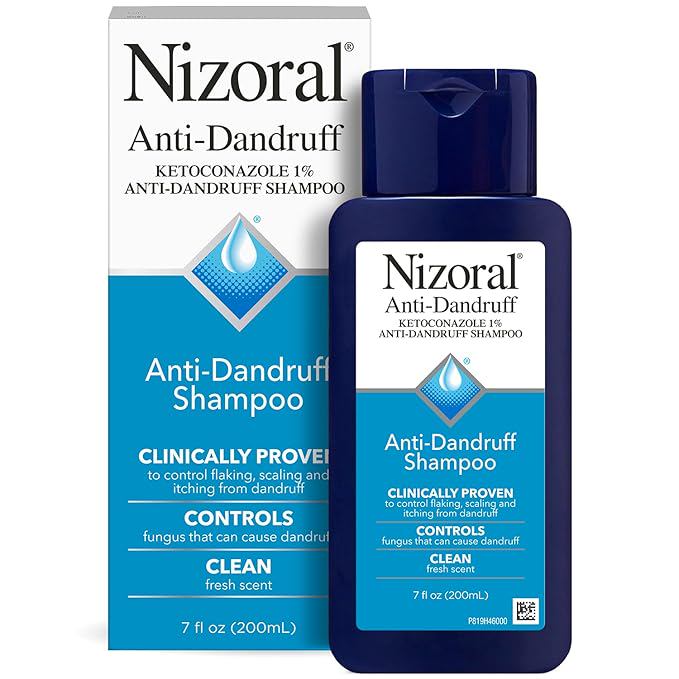
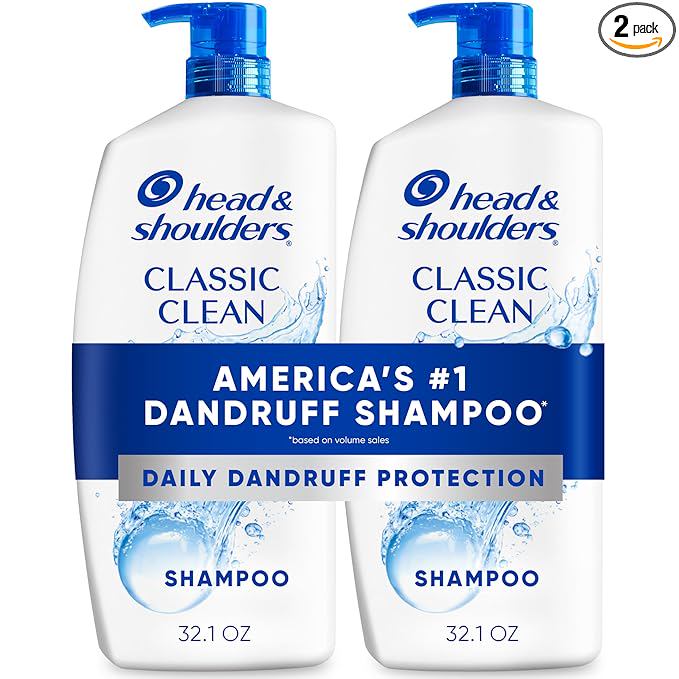
Dandruff usually responds to antifungal shampoos containing ketoconazole or zinc pyrithione. Eczema often requires moisturizing routines and topical corticosteroids. Hard water scalp itch doesn't improve with antifungals and can get worse with heavy moisturizers that trap mineral residue. If your symptoms follow the pattern described here and don't respond to traditional dandruff or eczema treatments, shifting your focus to water quality is a logical next step.
An itchy scalp is frustrating, but the fix doesn't always mean a trip to the pharmacy. Sometimes the answer is in your pipes. Pay attention to how your scalp feels right after you wash, and look for those small, uniform bumps. Those two clues can save you from treating the wrong problem and get you back to a comfortable, calm scalp faster.