If you’ve shifted to eating one or two meals a day—whether through intermittent fasting, a busy schedule, or personal preference—you’ve probably noticed that portion control feels different. Without the usual three-meal rhythm, hunger cues can amplify, and it’s tempting to overfill a plate.
But here’s the paradox: eating fewer meals doesn’t automatically mean you’re eating the right amount. In fact, two specific habits often trip people up when they condense their eating window. Here’s what to watch for and how to adjust without turning mealtime into a math problem.
Habit #1: Treating the First Meal Like a “Catch-Up” Buffet
When you haven’t eaten for 16 or 20 hours, the first bite can feel like a reward—and portion sizes tend to expand. The brain, primed by hunger, often overrides the stomach’s slower “I’m full” signal. This is especially common if your first meal is large, high-carb, or eaten quickly.
A simple fix: Start your meal with a vegetable or protein-rich bite, then pause for a minute before diving into the main dish. This small reset helps your satiety signals catch up.
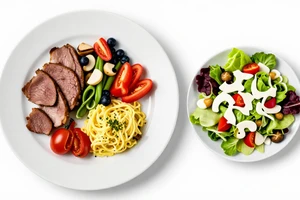
Consider breaking your first meal into two smaller courses: a starter (like a salad or broth-based soup) and then the main plate. This naturally slows the pace and gives your gut time to register volume. Even a 10-minute pause between courses can reduce total intake by 15–20% for some people.
Why this matters for one-meal-a-day (OMAD) eaters
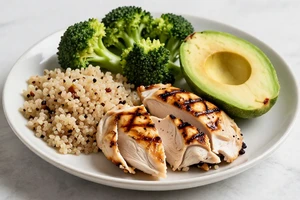
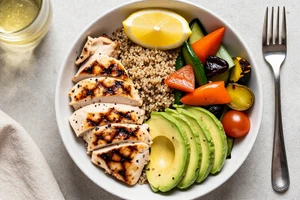
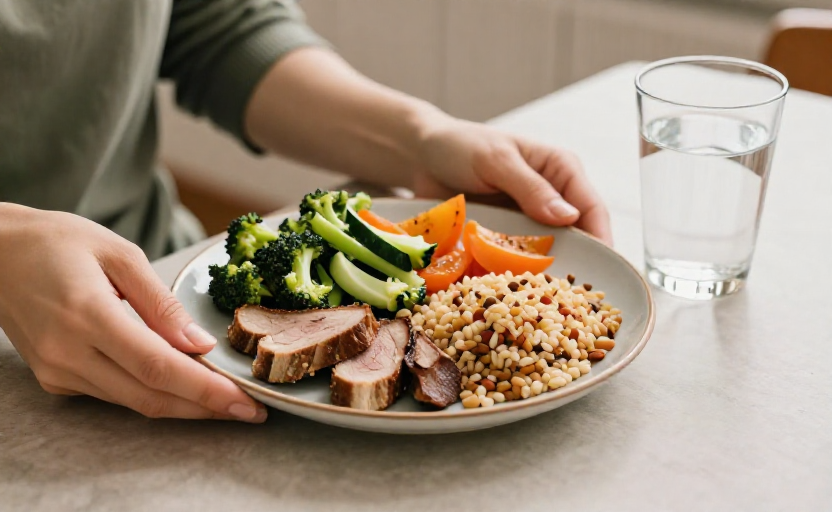
For those eating a single daily meal, the pressure to “get enough” can lead to portions that stretch the stomach uncomfortably. Aim for a plate that’s visually balanced: half vegetables, a quarter protein, and a quarter starches or fats. If you’re still hungry 20 minutes after finishing, you can add a small second serving—but avoid loading the plate like a trough from the start.
Habit #2: Downplaying Liquid Calories and “Grazing” in the Eating Window
When you eat only one or two meals, it’s easy to underestimate the calories that slip in between them. Coffee with cream, a post-meal smoothie, or a handful of nuts while cooking can turn a two-meal day into a four-meal day without you realizing it. These “invisible” portions add up fast.
This isn’t about strict counting—it’s about awareness. If your goal is weight management or metabolic health, those extra calories matter. A 200-calorie latte or a 150-calorie handful of almonds during your eating window might not feel like a meal, but they can push your daily total higher than intended.
Try this: Keep a simple mental rule: if it’s not part of your designated meal, it gets logged as a snack. You don’t have to avoid them; just acknowledge them. That awareness alone shifts the habit.
When “one or two meals” becomes “three meals plus extras”
Many people who start eating two meals a day gradually add small snacks without adjusting their main plates. Over a week, this can erase the caloric deficit they thought they were creating. If you want to stay consistent, decide ahead of time whether your eating window includes any non-meal items—and if so, limit them to one or two small, nutrient-dense options.
Two practical strategies that help
Beyond fixing these two habits, a few structural changes make portion control easier when meals are fewer:
- Use a smaller plate. It sounds simple, but a 9-inch plate versus a 12-inch plate can reduce portions by 20–30% without making you feel deprived.
- Chew slowly, put down utensils between bites. This increases meal duration, allowing leptin and other satiety hormones to register fullness before you’ve overeaten.
- Hydrate well during your fasting period. Thirst is often mistaken for hunger. Water, herbal tea, or black coffee can tide you over without breaking a fast.
When to seek guidance
Portion control habits are personal, but if you consistently feel overly full, uncomfortably hungry between meals, or notice weight changes that concern you, it may help to talk with a dietitian or healthcare provider. They can help tailor meal composition and timing to your lifestyle without pushing extremes.
The goal isn’t perfection—it’s consistency. By catching these two habits early, you can eat one or two meals a day with confidence, knowing your portions support your health rather than undermine it.