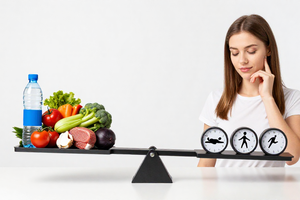

When stress hits, reaching for something crunchy, salty, or sweet can feel almost automatic. But according to dietitians, what you drink—or fail to drink—may be quietly fueling that urge. Two common hydration habits could be making emotional eating worse, and fixing them doesn’t require a complete diet overhaul.
Mistake #1: Mistaking thirst for hunger (and grabbing the wrong thing)
Thirst and hunger share the same signaling pathways in the brain. Mild dehydration can produce a sensation that feels exactly like a food craving, especially for carbs or salty snacks. Dietitians point out that people often interpret this as emotional hunger, when the body may simply need water.
The problem isn’t just confusion between thirst and hunger. When you choose a caffeinated or sugary drink in response to that feeling, you may be amplifying the cycle. Soda, sweetened coffee, and energy drinks can spike blood sugar, then let it crash—leaving you irritable, tired, and craving more fuel. That’s a recipe for repeated emotional eating triggers throughout the day.
Quick check: Next time a craving hits, drink a full glass of plain water and wait 15 minutes. If the urge fades, your body was thirsty, not hungry.
Mistake #2: Skipping water altogether when you're stressed
Stress activates the sympathetic nervous system, which can suppress thirst signals. Many people don’t feel thirsty when they’re anxious, busy, or emotionally drained—so they go hours without hydrating. Over time, even mild dehydration elevates cortisol (the stress hormone).
Here’s the catch: higher cortisol levels can increase cravings for high-fat, high-sugar comfort foods. You end up fighting a biological double whammy—elevated stress hormones from dehydration plus the heightened emotional drive to eat. Dietitians note that when clients focus on steady hydration first, they often report fewer impulsive eating episodes, even when external stressors haven’t changed.
Signs your hydration might be off
- Frequent headaches or brain fog, especially mid-afternoon
- Fatigue that doesn't improve with sleep
- Dry mouth or chapped lips
- Dark yellow urine (pale straw is ideal)
- Sudden cravings for salty or crunchy foods
How to break the pattern without obsessing
You don’t need to carry a gallon jug or track every ounce. Dietitians recommend simple, sustainable shifts that support mood and reduce the likelihood of emotional eating:
- Start the day with water. Keep a glass on your nightstand and drink it before coffee. This rehydrates after sleep and sets a calmer baseline.
- Pair hydration with a habit. Drink a full glass of water each time you brush your teeth, before each meal, or after checking your phone for the first time. The cue makes it automatic.
- Include hydrating foods. Cucumber, celery, watermelon, oranges, and leafy greens all contribute to fluid intake. They also provide fiber and nutrients that stabilize blood sugar.
- Choose calm beverages. Herbal teas (chamomile, peppermint, rooibos) offer hydration without caffeine jitters. Sparkling water with a splash of lemon or lime can satisfy the need for a “treat” drink.
- Reduce alcohol and sugary drinks. Both dehydrate and can spike cortisol later—a double hit that worsens emotional eating patterns.
The bigger picture: Hydration as emotional support
Emotional eating often gets treated as a willpower problem, but dietitians emphasize it’s a physiological one too. The brain needs proper hydration to regulate mood, manage stress, and distinguish between hunger and thirst. When you smooth out those signals, you give yourself a fairer chance to respond to stress with intention rather than impulse.
If you’re already working on managing emotional eating, check your water intake first. It won’t solve everything, but it may be the missing piece that makes the rest of your efforts easier. One habit change—drinking more plain water earlier in the day—can reduce the frequency and intensity of cravings enough to feel a real difference.
General wellness education only. This article does not provide medical advice, prescribe treatments, or diagnose conditions. Consult a qualified healthcare professional for personalized guidance.