
For anyone navigating PCOS, the connection between a restless night and a rough day is especially tight. Sleep disruption can drive up cortisol, which in turn can worsen insulin resistance and throw androgen levels out of balance. It becomes a loop: PCOS symptoms make it harder to sleep, and poor sleep makes PCOS symptoms harder to manage.
Small, consistent choices—like what you sip in the evening—can gently support both sleep quality and hormonal tone without adding complexity to your day. These two drinks are backed by traditional use and emerging research for their calming, blood-sugar-friendly properties. They are not cures, but they can be reliable anchors in a PCOS-friendly evening routine.
Why sleep matters for PCOS hormone balance
Sleep is not just rest; it is a metabolic and endocrine reset. When sleep is fragmented or insufficient, the body produces more cortisol. Elevated cortisol signals the ovaries to make more androgens, and it promotes insulin resistance—a core driver of PCOS symptoms like weight gain, fatigue, and irregular cycles.
A 2022 review in Sleep Medicine Reviews highlighted that women with PCOS are significantly more likely to report poor sleep quality, independent of body weight. That means sleep support is not a luxury—it is a relevant intervention for hormone management. Choosing evening drinks that lower cortisol and stabilize blood sugar is a practical, gentle way to address both problems at once.
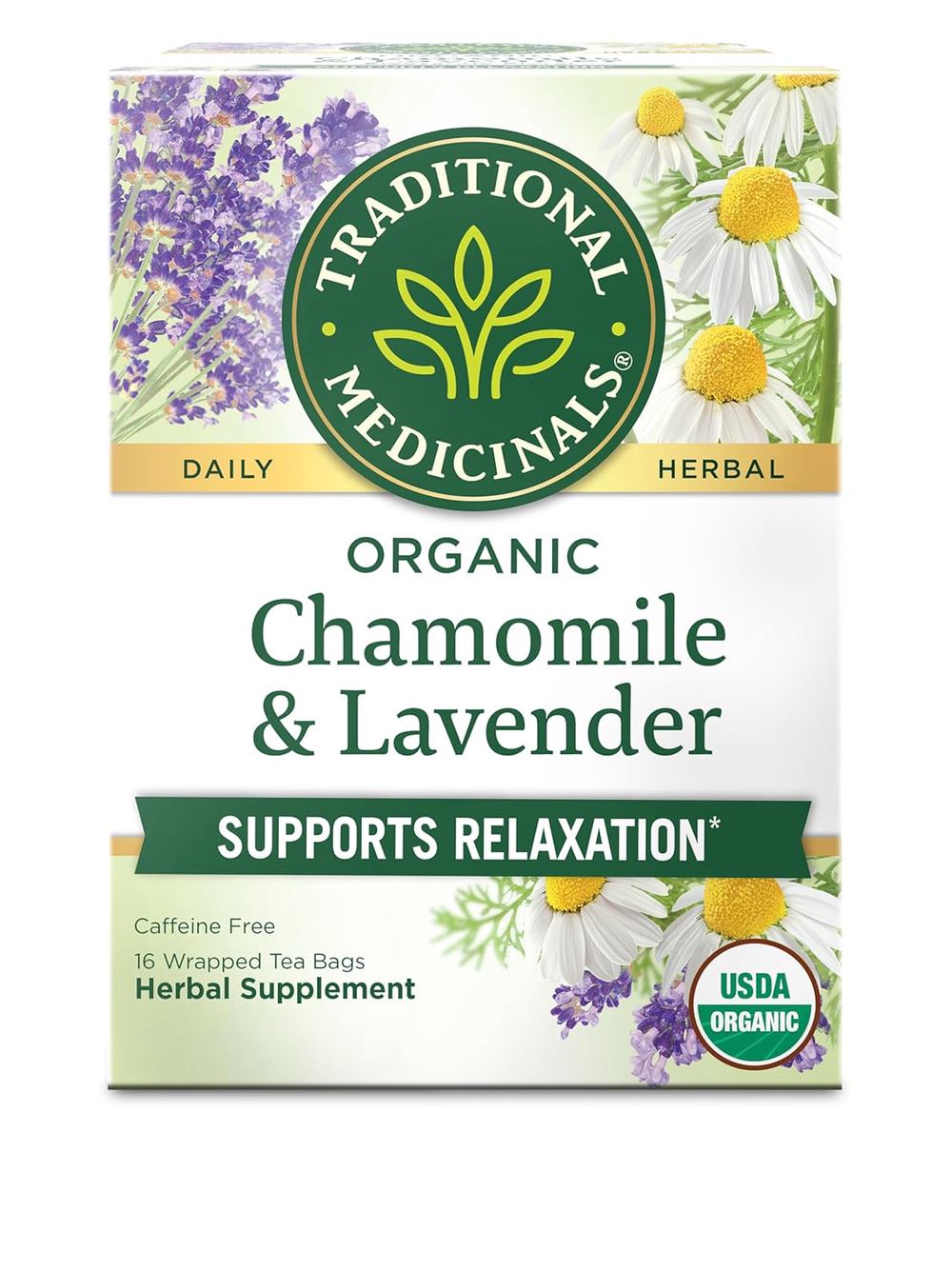
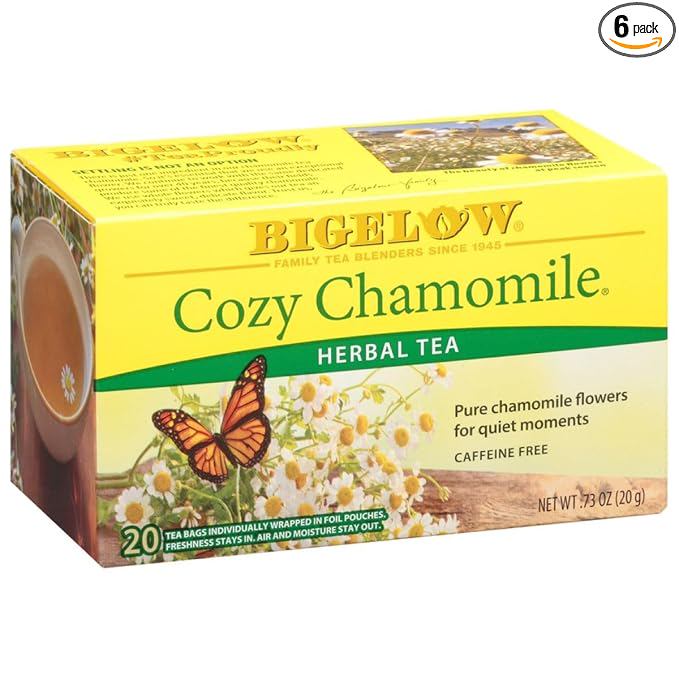
Drink 1: Chamomile and spearmint tea blend
This combination targets two distinct challenges: nighttime restlessness and elevated androgen levels.
Chamomile's calming compounds
Chamomile contains apigenin, an antioxidant that binds to GABA receptors in the brain. This binding produces a mild sedative effect that can reduce anxiety and help you transition into sleep. A 2017 clinical trial in the Journal of Advanced Nursing found that postpartum women who drank chamomile tea for two weeks reported significantly better sleep quality and fewer depression symptoms compared to a placebo group.
For the PCOS context, lower stress hormones directly support balanced estrogen and progesterone. Chamomile is also free of caffeine and very low in oxalates, making it a safe daily choice for most people.
Spearmint and androgen levels
Spearmint tea has repeatedly shown promise in reducing free testosterone. A small but influential 2010 study in Phytotherapy Research gave women with PCOS two cups of spearmint tea daily for 30 days. Their free testosterone levels dropped significantly, and self-reported hirsutism (excess hair growth) improved.
Drink this blend 45–60 minutes before bed. Steep one chamomile tea bag and one teaspoon of dried spearmint leaves (or one spearmint tea bag) in hot water for seven minutes. Cover the cup while steeping to keep volatile oils from escaping.
This preparation gives your body time to absorb the beneficial compounds before your head hits the pillow. Avoid adding sugar; a small slice of lemon or a cinnamon stick can add flavor without spiking insulin.
Drink 2: Warm tart cherry juice with magnesium
Tart cherry juice is one of the few natural food sources of melatonin—the master hormone that regulates the sleep-wake cycle. It also provides anti-inflammatory polyphenols that can ease the low-grade inflammation common in PCOS.
Melatonin and circadian rhythm support
A 2011 study in the Journal of Medicinal Food found that adults with insomnia who drank eight ounces of tart cherry juice twice daily (morning and evening) experienced a 39-minute increase in total sleep time and a significant improvement in sleep efficiency. The melatonin content is modest—about 0.1 mcg per cup—but consistent use appears to help synchronize the body's natural sleep timing.
For PCOS, melatonin's role extends beyond sleep. Melatonin receptors are present in ovarian tissue, and emerging research suggests melatonin may help regulate ovulation and reduce oxidative stress in the ovaries. A small 2023 pilot study in Nutrients found that melatonin supplementation improved menstrual regularity in some women with PCOS. While more research is needed, tart cherry juice is a safe, food-based way to gently increase melatonin levels.
Magnesium's calming effect on the nervous system
Magnesium is involved in over 300 enzymatic reactions, including those that regulate the GABA system. Low magnesium levels are linked to poor sleep quality and higher cortisol output. Many women with PCOS are magnesium-deficient due to insulin resistance and dietary patterns.
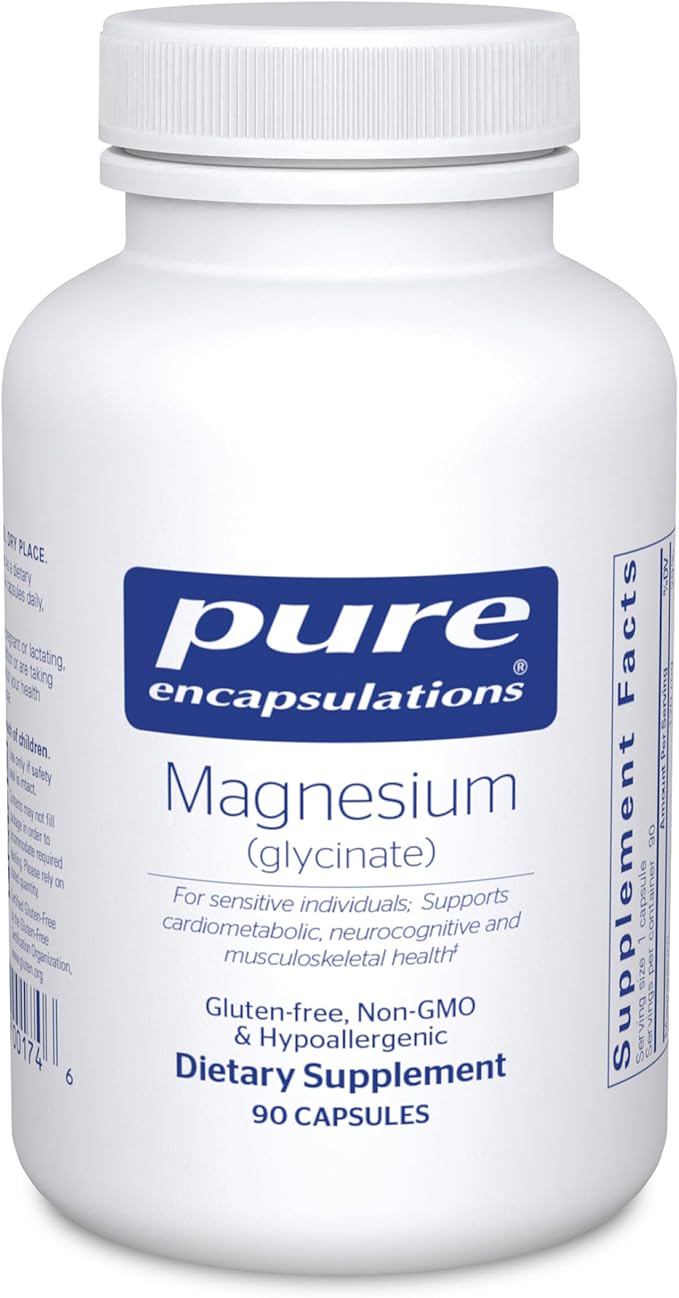
Adding a small dose of magnesium (in the form of magnesium glycinate, which is gentle on the stomach) to warm tart cherry juice creates a dual-action bedtime drink. Warm the juice slightly—do not boil, as heat degrades melatonin—and stir in the powder. The warmth itself signals the body that it is time to wind down.
Start with four ounces of unsweetened tart cherry juice and 100–200 mg of magnesium glycinate powder. Drink 30–45 minutes before lights-out. This amount is unlikely to cause digestive upset, but you can reduce the magnesium if you notice loose stools.
How to integrate these drinks into a PCOS evening routine
Both drinks work best when paired with other habits that support sleep hygiene. Consider these small additions:
- Keep the same bedtime within a 30-minute window each night.
- Dim overhead lights and switch to soft, warm lamps an hour before sleep.
- Skip screens for at least 30 minutes before bed, or use blue-light-blocking glasses.
- Avoid large meals, caffeine, and alcohol within three hours of bedtime.
You don't need to drink both every night. You can rotate them based on your needs: use the chamomile-spearmint blend when you feel anxious or notice PCOS-related bloating, and use the tart cherry-magnesium drink when you want a deeper sleep or feel achy.
What the research says about timing and dosage
Consistency matters more than amount. Drinking one cup of tea or one small glass of juice each evening for at least two weeks is more likely to produce noticeable changes than sporadic use. Hormonal shifts take time—do not expect dramatic changes overnight.
For the tart cherry juice, stick with unsweetened varieties to avoid added sugar, which can spike insulin and work against your sleep and hormone goals. Pure tart cherry juice is tart enough to make your mouth pucker; diluting it with a splash of plain water or sparkling water is perfectly fine.
Important caveats and who should be cautious
These drinks are generally safe, but they are not appropriate for everyone. Speak with your healthcare provider before making changes if you:
- Take blood-thinning medication (chamomile and high-dose magnesium both have mild anticoagulant effects).
- Have kidney disease or impaired kidney function (magnesium can accumulate).
- Are pregnant or breastfeeding.
- Have a known allergy to plants in the Asteraceae family (daisies, ragweed, chrysanthemums—chamomile is in this family).
Do not use these drinks as a replacement for prescribed PCOS medications like metformin or spironolactone. They are complementary supports, not treatments.
The bottom line for PCOS and sleep
PCOS and poor sleep fuel each other. By choosing a targeted evening drink that calms the nervous system and gently shifts hormone balance, you give your body a real chance to repair and regulate overnight. Chamomile-spearmint tea and warm tart cherry juice with magnesium are two of the most evidence-supported, low-risk options you can try tonight. Let them be the first step in a larger routine that prioritizes rest as seriously as nutrition and exercise.