
Visible pores are a common skin concern, and many people assume they are simply a matter of genetics or age. While both play a role, the reality is that daily habits—how you cleanse, moisturize, and treat your skin—can significantly affect whether pores look smaller or larger. Two routine mistakes in particular can make pores appear more noticeable over time. Understanding these can help you adjust your approach without resorting to harsh treatments.
Mistake #1: Over-cleansing or using the wrong cleanser
It is natural to think that scrubbing away oil will shrink pores, but the opposite is often true. When you strip the skin of its natural oils with harsh foaming cleansers or exfoliating scrubs, the skin can respond by producing even more oil to compensate. This excess oil mixes with dead skin cells and can settle inside the pore, stretching it out and making it look larger.
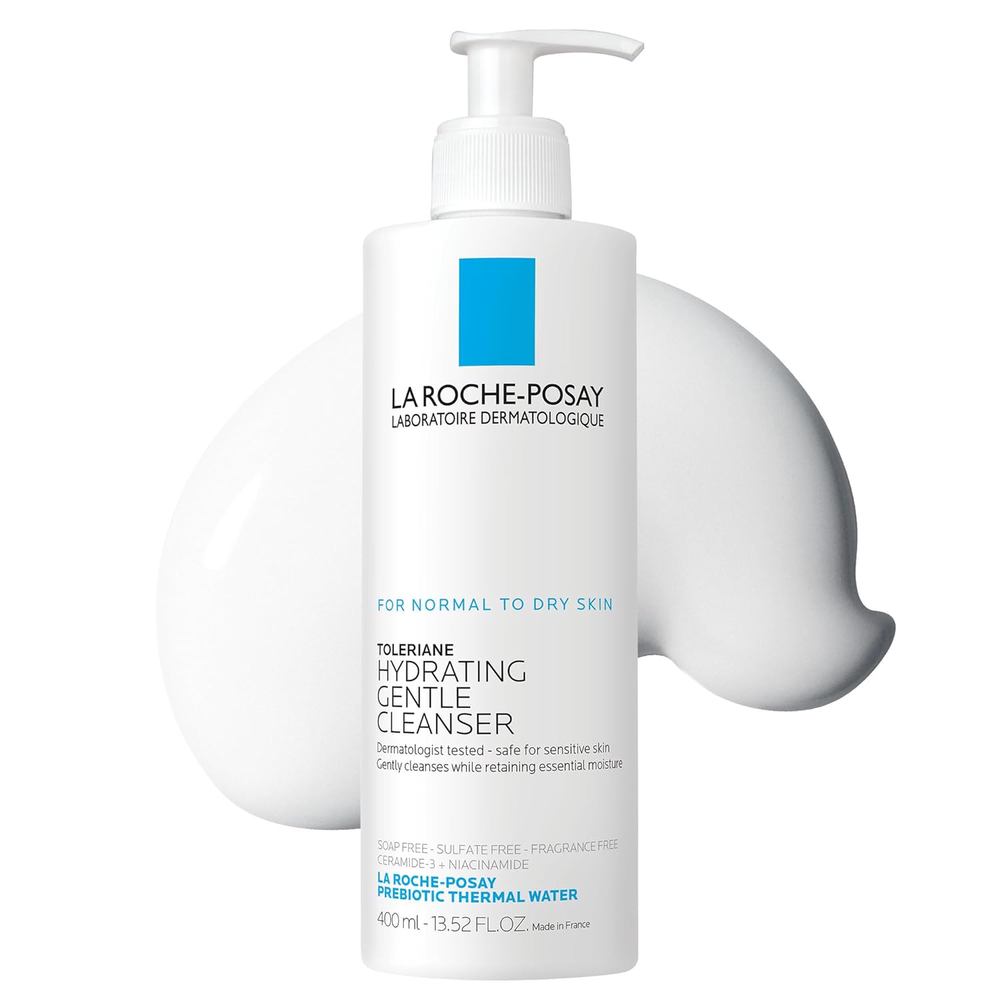
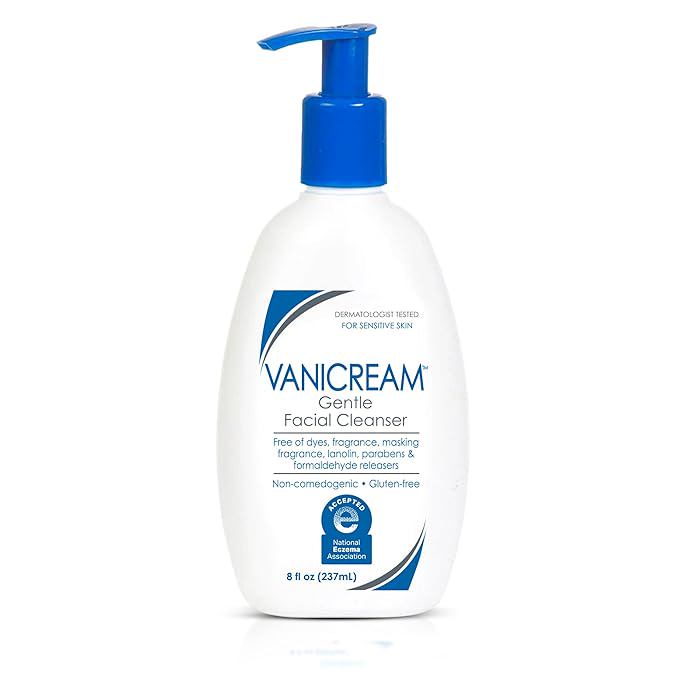
A gentler approach—using a mild, non-stripping cleanser once or twice a day—helps keep the skin barrier intact. This allows pores to function normally and stay clear. For those with oily or combination skin, a cleanser containing salicylic acid can be helpful, but it should not be used more than once a day or on already irritated skin.
What to look for in a cleanser
- Mild surfactants: Ingredients like coco-glucoside or sodium cocoyl isethionate are gentler than sodium lauryl sulfate.
- pH-balanced formulas: A cleanser with a pH around 5.5 supports a healthy acid mantle.
- Non-comedogenic oils: If double cleansing, choose oils that do not clog pores, such as squalane or jojoba oil.
Mistake #2: Skipping moisturizer or using the wrong texture
Many people with oily skin or large pores avoid moisturizer, fearing it will make pores look greasy or clogged. But dehydrated skin can actually make pores appear more prominent. When the skin lacks moisture, the cells around pores can become rigid and dry, causing the pore opening to look wider. Additionally, dry skin produces more dead cells on the surface, which can trap oil inside the pore.
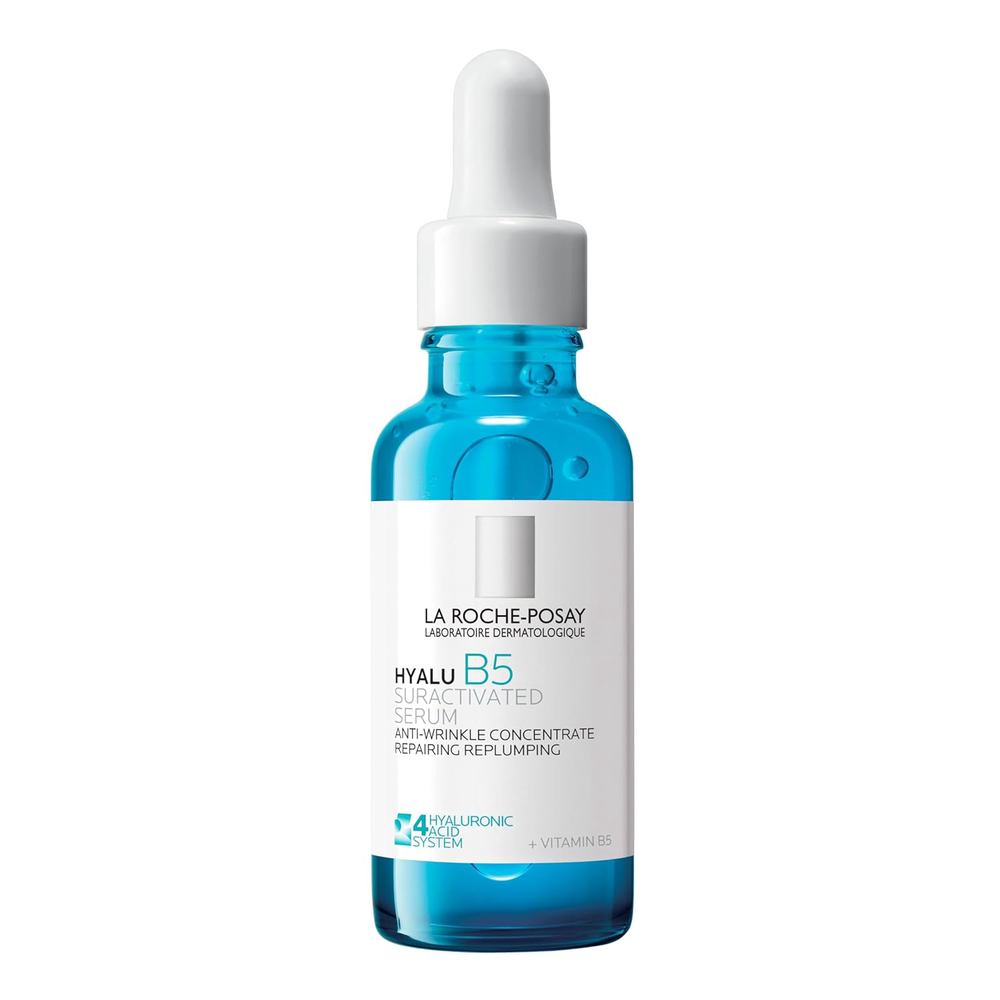
The solution is not to skip moisturizer, but to choose a lightweight, non-comedogenic formula. Gel-based or water-based moisturizers with ingredients like hyaluronic acid, niacinamide, or glycerin provide hydration without adding excess oil. These ingredients help plump the skin, which can reduce the visible size of pores.
A well-moisturized skin surface is smoother and reflects light more evenly, which visually minimizes the appearance of pores.
Why these mistakes matter more than you think
Pores do not have muscles, so they cannot open and close. Their appearance is largely determined by the volume of oil and debris inside them, the condition of the surrounding skin, and natural collagen levels. When routine habits cause inflammation, dehydration, or excess oil production, pores become stretched and more visible. Over time, persistent stretching can lead to permanent enlargement.
Correcting these two mistakes is one of the most effective ways to prevent that progression. By switching to a balanced cleansing routine and consistently using a suitable moisturizer, you create an environment where pores can stay clear and the skin around them remains firm and smooth.
Additional tips to support pore appearance
- Use sunscreen daily: UV damage breaks down collagen and elastin, which can cause pore walls to lose support and dilate.
- Consider clay masks occasionally: Kaolin or bentonite clay can absorb excess oil without stripping the skin.
- Incorporate retinoids carefully: Retinoids can help regulate cell turnover and oil production, but start with a low strength and use only a few times per week to avoid irritation.
Ultimately, the goal is not to make pores disappear—they are a normal part of skin structure—but to keep them clean, supported, and surrounded by healthy skin. Small adjustments to your daily routine can make a real difference over time.