If you're trying to keep your blood sugar steady, you already know to reach for whole foods over heavily processed options. But the reality is, most of us eat at least some packaged foods each week—whether it's a frozen dinner, a bag of pretzels, or a jar of pasta sauce. The problem isn't just the presence of processing itself; it's two very specific, very common mistakes people make with processed foods that can send glucose levels on a roller coaster.
These mistakes aren't about willpower or ignorance. They're about hidden design flaws in how many modern foods are formulated. Once you see them, you'll be able to spot the culprits instantly—and make smarter swaps that keep your energy balanced without giving up convenience entirely.
Mistake #1: Ignoring the Liquid-Sugar Trap
One of the most deceptive sources of blood sugar disruption comes in liquid form. Sugary drinks—soda, sweetened teas, fruit punch, lemonade—are the obvious culprits, but loads of heavily processed foods contain hidden liquid sugars too. Think about sweetened yogurts, bottled smoothies, flavored coffee creamers, and even salad dressings that list some form of sugar (or honey, agave, or concentrated fruit juice) as one of the first ingredients.
Why this matters: Liquid sugars are absorbed extremely quickly because they don't require the digestive work that solid foods do. When you drink a sugary beverage or eat a food that's primarily liquid sugar, your bloodstream gets flooded with glucose all at once. Your pancreas has to release a burst of insulin to keep up, and that rapid spike and surge often leads to a sharp crash later—leaving you tired, hungry, and craving more sugar.
Quick ways to spot this mistake
- Check the ingredients list for syrup, juice concentrate, honey, or any word ending in “-ose” (sucrose, glucose, fructose, maltose).
- Look at the grams of added sugar on the label. The American Heart Association suggests men limit added sugar to 36g per day and women to 25g. A single 12-oz can of soda has about 39g. That's already over the recommended limit.
- Be wary of “healthy-sounding” drinks like kombucha (many brands add sugar), plant milks (flavored versions often have added sugar), and protein shakes.
The fix is straightforward: choose plain versions of staple foods (plain yogurt, unsweetened almond milk) and flavor them yourself with a little fruit or a pinch of cinnamon. For beverages, water, unsweetened tea, and sparkling water with a squeeze of citrus are your safest bets.
Mistake #2: Eating Refined Starches Without a Buffer
The second major blood sugar wrecking ball is the processed carbohydrate stripped of its fiber. White bread, white rice, standard pasta, many breakfast cereals, crackers, chips, and most baked goods are examples of refined starches. They've had the bran and germ removed, which also removes nearly all of the natural fiber that slows down digestion and glucose absorption.
Why this matters: Without fiber, a bowl of sugary cereal or a few slices of white bread metabolizes almost as fast as sugar itself. Your digestive system breaks the starch down into glucose almost immediately, leading to that same spike-and-crash pattern. Even “savory” processed foods like pretzels, rice cakes, and many crackers are pure refined starch with virtually no fiber to blunt the effect.
A good rule of thumb: if the label lists white flour, enriched wheat flour, or rice flour first—and the fiber content is under 2g per serving—consider it a rapidly digesting starch.
How to keep starches in balance
- Swap white bread for 100% whole-grain or sprouted-grain bread (with at least 3g of fiber per slice).
- Choose brown rice, quinoa, barley, or lentils instead of white rice or regular pasta.
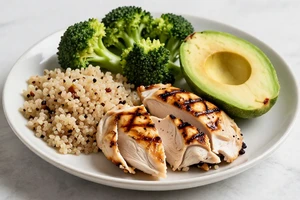
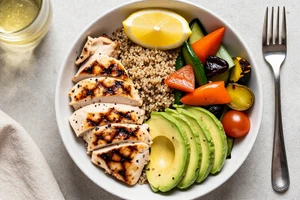
- Pair any refined starch with a protein or healthy fat: e.g., if you have crackers, add cheese or nut butter; if you eat white rice, add chicken and avocado. This slows digestion dramatically.
The goal isn't to eliminate all processed foods—that's both impractical and unnecessary. The goal is to avoid the specific mistakes that cause the most metabolic harm. Once you start scanning labels for liquid sugars and fiber-poor starches, you'll naturally make better choices without overthinking it.
What This Means for Your Daily Choices
Many packaged foods that seem harmless—granola bars, flavored oatmeal packets, instant noodles, veggie burgers on white buns—commit both mistakes at once: they combine liquid sugar with refined starch. A granola bar might list honey and white rice flour as its first two ingredients. That double whammy can spike blood sugar faster than a candy bar.
The solution is a simple awareness shift. When you reach for a processed food, ask two questions:
- Does it contain a significant amount of liquid sugar (syrup, juice, honey, or added sugar)? If yes, can I find a version without it?
- Is the first ingredient a refined starch with little fiber? If yes, can I pair it with protein, fat, or fiber to slow it down?
With these two questions, you've armed yourself against the most common blood sugar pitfalls in the modern diet. You don't need to give up convenience entirely; you just need to know exactly where the traps are hidden.