You’ve got the Tupperware lineup. The Sunday chopping session is locked in. Your fridge looks like a perfectly organized grab-and-go station. And yet, the scale isn’t moving the way you expected, or you’re feeling sluggish an hour after lunch. If that sounds familiar, you might be bumping up against two sneaky portion control errors that trip up even the most disciplined meal preppers.
Meal prep is supposed to simplify healthy eating, but it can unintentionally inflate your calorie intake if you’re not paying attention to how you pack those containers. Let’s look at the two most common culprits and how to fix them without turning your weekly prep into a math exam.
Mistake #1: Loading Up on “Healthy” Fats Without Measuring
This is the big one. You know avocados, nuts, seeds, olive oil, and nut butters are good for you. They are. But “good for you” doesn’t mean “unlimited.” A quarter of an avocado is a reasonable portion. A whole avocado? That’s around 120 calories and 11 grams of fat. Easy to eat, easy to miss.
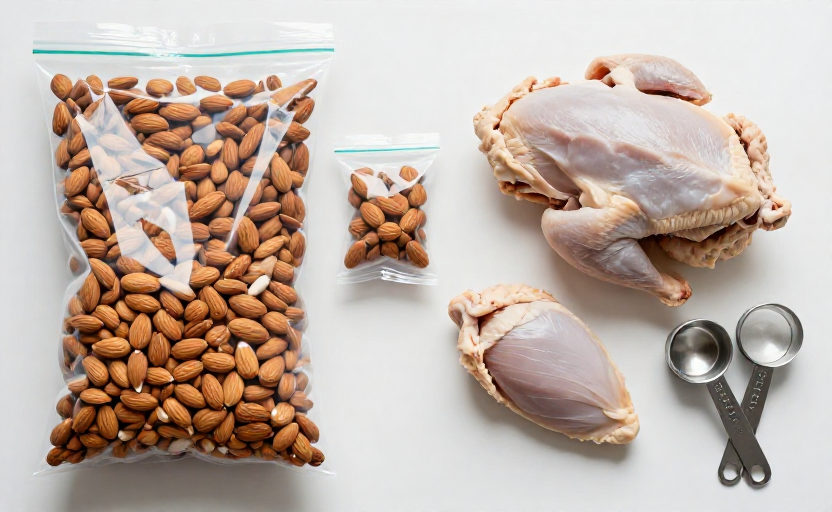
When prepping, it’s common to toss a handful of almonds into a bag, drizzle “just a little” olive oil on roasted veggies, or scoop a generous glob of almond butter into a container. Those handfuls and drizzles add up fast. A single ounce of almonds (about 23 nuts) is roughly 165 calories. Pouring olive oil straight from the bottle? A tablespoon has about 120 calories. Do that two or three times across different meals, and you’ve added a few hundred extra calories to your day without feeling any fuller.
The fix: Pre-portion your fats at the start of the week. Use small 2-ounce containers for nut butter or dressing. Measure oil with a teaspoon or tablespoon before cooking, and store nuts in pre-weighed snack bags. Don’t rely on your eyes once the food is in the dish.
Mistake #2: Eyeballing Protein Portions… and Making Them Way Too Big
Counterintuitive, right? Protein is satiating and great for muscle maintenance, so more seems better. But a massive chicken breast or a giant scoop of ground turkey can easily be 6 to 8 ounces (roughly 350–450 calories) when a standard serving is 3 to 4 ounces (about 170–220 calories).
When you prep all your proteins at once, it’s common to throw an entire chicken breast into a container because it “looks about right.” The problem is that uncooked meat shrinks, and what looks like a normal portion raw can end up being far more dense and calorie-heavy than you intended. Over time, consistently oversized protein portions can keep you from hitting a calorie deficit, even if your carbs and fats are on point.
Why This Slips Under the Radar
Unlike a gooey slice of cake, a big piece of grilled salmon doesn’t feel like overeating. It feels virtuous. That psychological blind spot is exactly why this mistake is so common. You think you’re being good, so you don’t question the portion size.
The other part of this? Portion sizes in restaurant meals and even grocery store packages have trained us to think a “normal” serving is bigger than it actually is. A single chicken breast from the store is often 8–10 ounces. If you cook it and eat it without cutting it in half, you’re already eating two servings.
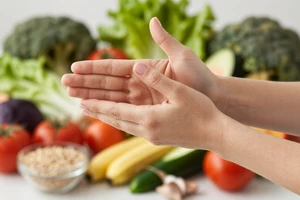
The fix: Cook your proteins in bulk, then weigh or measure them once cooked. A standard serving is about the size of your palm (without fingers) for most people. For ground meats, use a measuring cup — ½ cup of cooked ground turkey or beef is approximately one serving. Portion out what you need before you store it, not at the table.
How to Portion Like a Pro (Without Driving Yourself Crazy)
You don’t need to weigh every single pea for the rest of your life. You just need a few consistent habits to break these two mistakes. Here’s a practical approach:
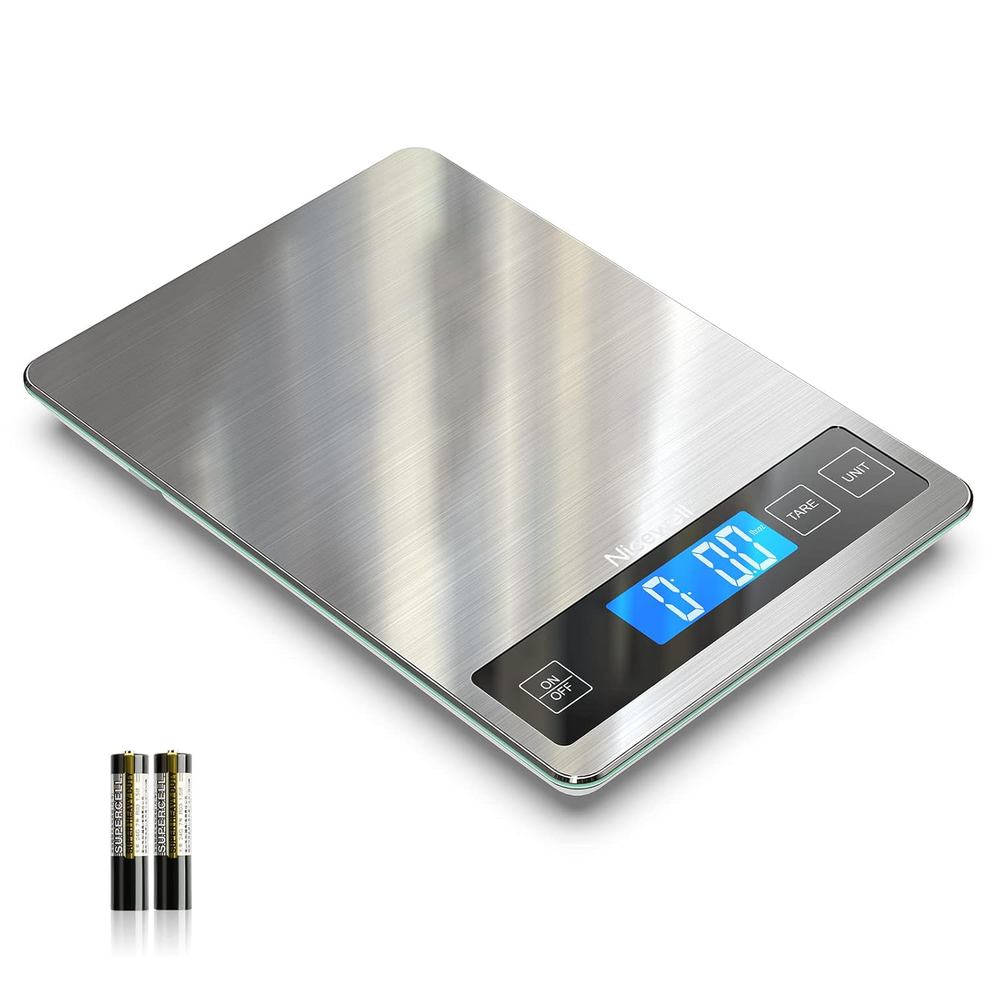
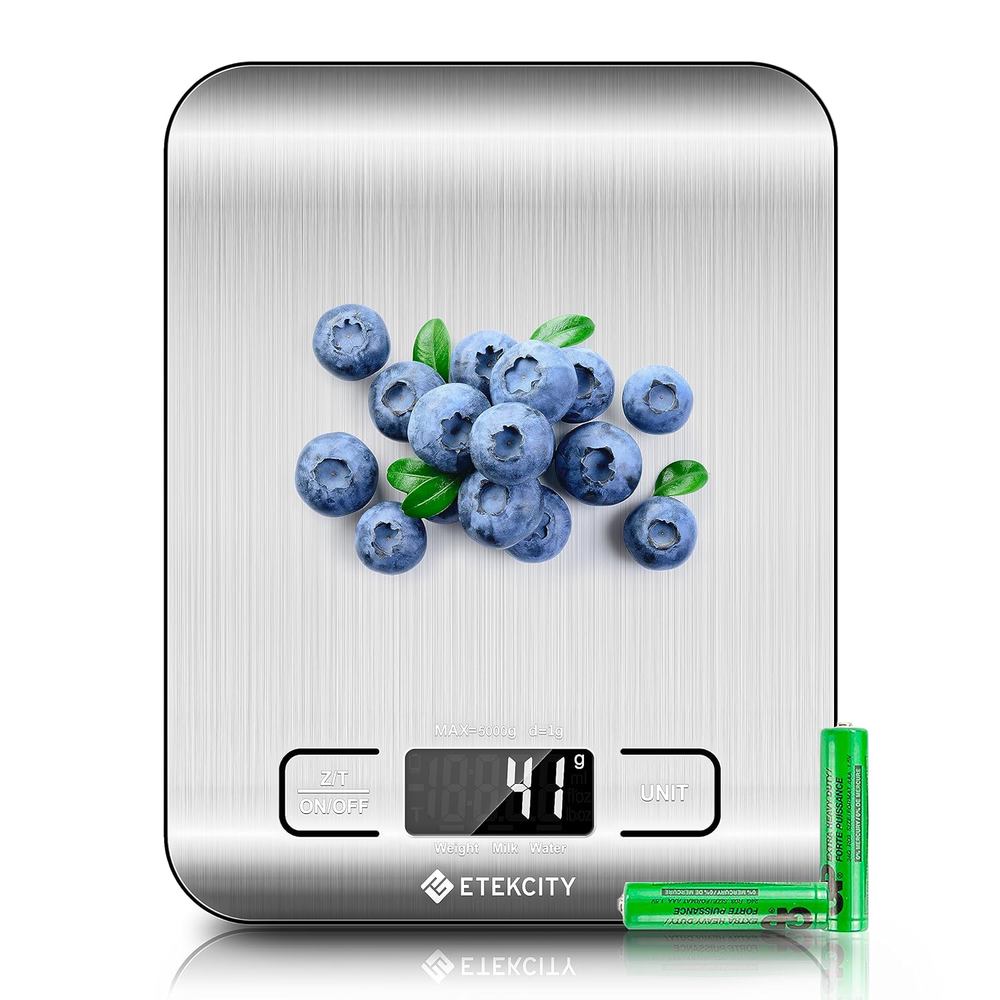
- Use a kitchen scale for one week. Just seven days. Weigh your fats and proteins until you get a visual sense of what 1 tablespoon of oil, 1 ounce of nuts, and 4 ounces of cooked chicken actually look like. After that, you can scale back to checking only when you’re unsure.
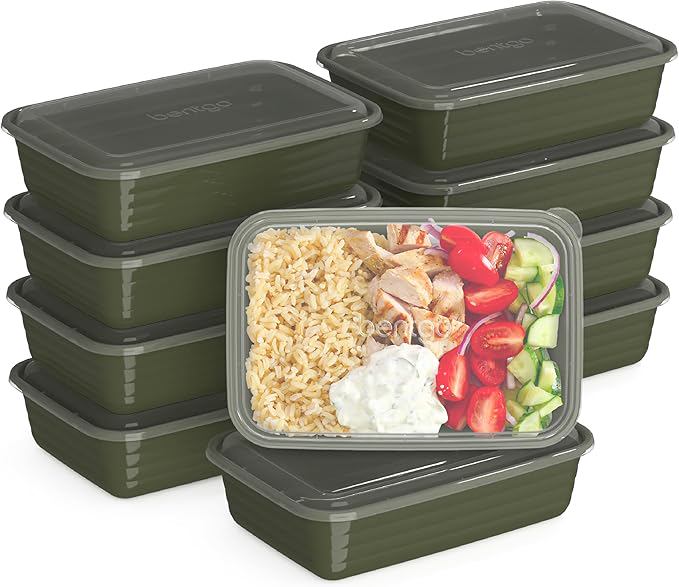
- Build your container around your veggies first. Fill half your container with non-starchy vegetables (broccoli, spinach, bell peppers, cauliflower). Then add your protein (a palm-sized portion), and then your carbs or fats (a cupped-hand portion). If the container is full of veggies, you naturally have less room to overdo the calorie-dense items.
- Think about “same prep, different portions.” If you and your partner are both prepping, or if you prep lunches and dinners for yourself, you don’t need to make five identical containers. Cook the same base ingredients, but assemble them differently based on your hunger level or activity. A breakfast container might get a half-avocado, while a lunch container gets a quarter.
What About the Container Size?
If you’re using large containers (say, 4-cup or 5-cup meal prep boxes), it’s extremely easy to fill them up and call it a meal — even if that meal contains 800+ calories. Consider using smaller containers (2-cup or 3-cup) for your main meals. If you’re still hungry, you can always go back for more vegetables or a piece of fruit. It’s much harder to overeat from a smaller vessel.
Also, keep your dressings and sauces separate until you eat. A container that sits with dressing soaking into everything overnight will look sad and encourage you to add more dressing later to revive it. Pack dressing in a tiny cup or a reusable silicone sauce container, and add it fresh at mealtime.
The Bottom Line on These Two Mistakes
Meal prepping is one of the most effective tools for consistent healthy eating. The goal isn't to make it stressful — it’s to remove the daily decision fatigue. But those two blind spots — invisible fats from wholesome sources and oversized proteins — can quietly undermine your results. A small upfront investment in measuring and a shift in how you pack your containers can save you weeks of wondering why your efforts aren’t paying off.
You don’t have to be perfect. Just be aware of these two slip points, and your prepped meals will work for you, not against you.