Staying hydrated is a cornerstone of any weight-loss plan, but many people get tripped up by the details. You might assume that drinking more water automatically leads to fewer pounds on the scale, yet how you track your intake matters just as much as how much you drink. When aiming for weight loss, two common mistakes can quietly sabotage your progress — and fixing them can make a real difference.
Mistake 1: Counting every fluid as pure water
It's easy to think that any liquid you consume counts toward your daily water goal. Tea, coffee, juice, sparkling water, and even soup all contain water, so they must hydrate you in the same way, right? Not exactly. While these beverages do contribute to your overall fluid balance, some come with extra calories, sugar, or compounds that can affect how your body processes them.
A 16-ounce latte with flavored syrup may contain 200 calories or more. A glass of store-bought iced tea might pack four teaspoons of added sugar. If you log that sugary drink as part of your eight daily glasses of water, you are missing the bigger picture: weight loss often requires a calorie deficit, and those hidden calories can add up quickly.
Water itself has zero calories and helps with feelings of fullness, supports metabolism, and aids digestion. By diluting your water intake with sugary or calorie-laden beverages, you may still hit your hydration target but miss the calorie savings that make a difference. A better approach is to track only plain water or unsweetened, calorie-free drinks — and treat everything else as a separate part of your daily food log.
Mistake 2: Overhydrating to compensate for poor tracking
The second common mistake is the flip side: drinking too much water in an attempt to speed up weight loss or make up for periods of under-hydration. It's true that water helps your body flush out waste and keep your metabolism running smoothly, but there is a limit to how much your kidneys can process at once.
Downing a full liter of water in one go after a day of very little intake might feel productive, but it can actually lead to discomfort, bloating, and frequent bathroom trips. More importantly, it doesn't give your body a steady, usable supply of hydration. Your kidneys can generally handle about 0.8 to 1 liter per hour. Consuming more than that over a short period can lower sodium levels in your blood — a condition called hyponatremia — which can cause nausea, headaches, and even more serious health issues.
For weight loss, the goal is consistent, moderate hydration spread across the day. Sipping water at regular intervals — such as a glass with each meal and a small serving between meals — works better than trying to chug large volumes all at once. This steady approach also keeps your stomach from feeling overly full right before you eat, which can cause you to skip meals and then overeat later.
How to track water intake correctly
Avoiding these mistakes starts with a clear, simple method. Instead of guessing or relying on memory, try these three practical tips:
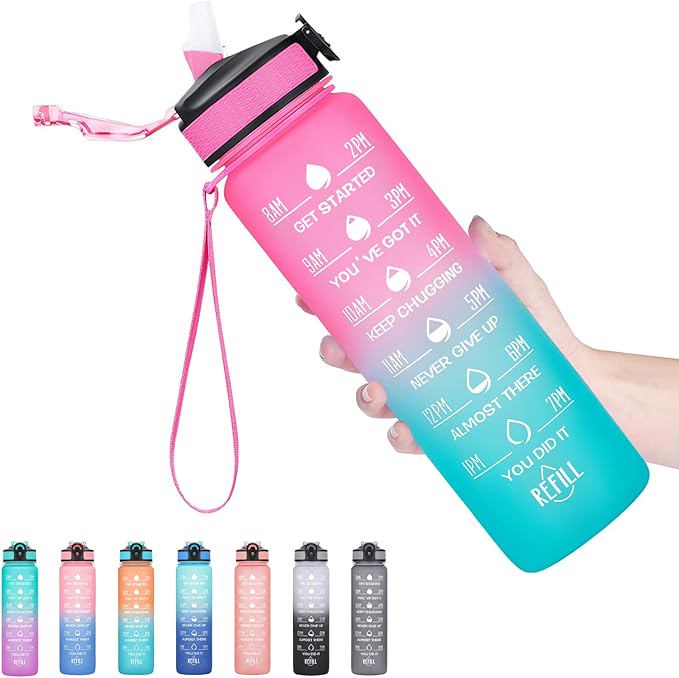
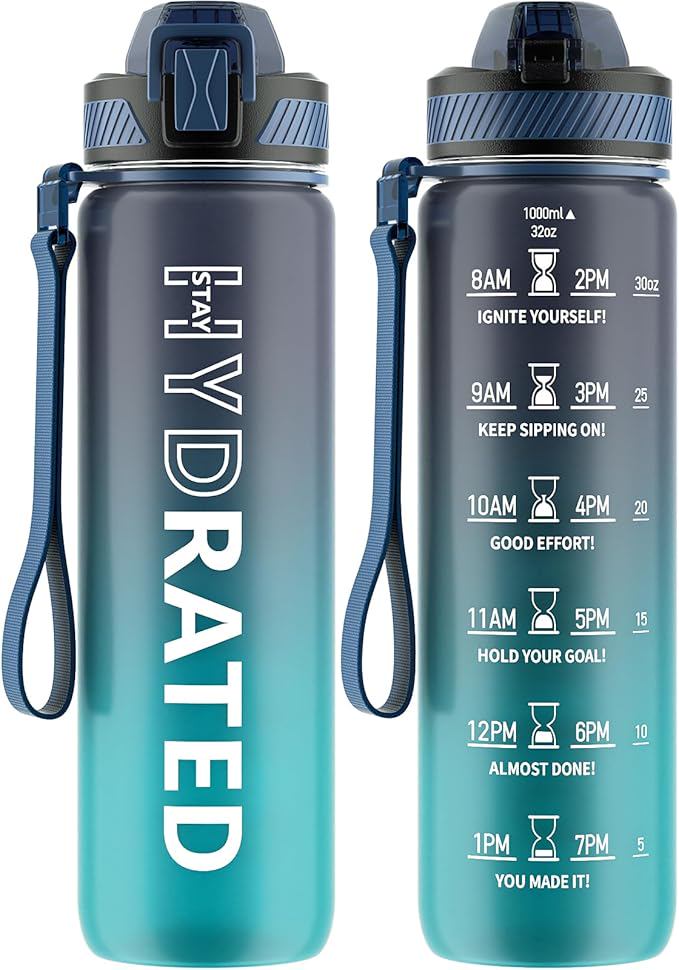
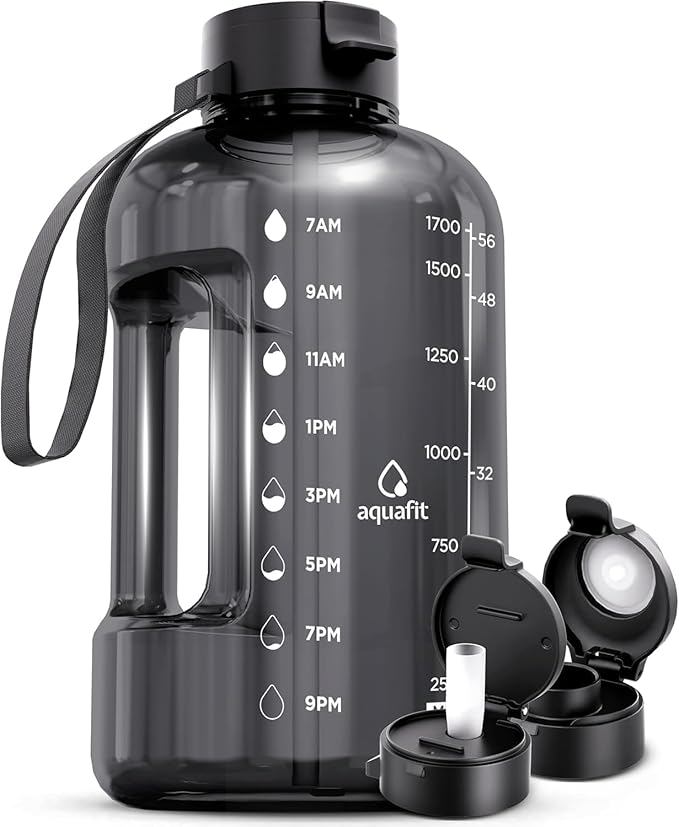
- Use a marked water bottle. A bottle with time markers or volume indicators helps you see exactly how much plain water you've consumed by noon or evening. This takes the guesswork out of tracking.
- Set small, frequent goals. Instead of aiming for eight glasses all at once, plan to drink one glass upon waking, one with each meal, and one between meals. This spreads your intake evenly.
- Log your non-water drinks separately. Keep a separate note in your food diary for tea, coffee, or other beverages, so you can see their calorie and sugar contributions clearly.
What a healthy water habit looks like for weight loss
The right water habit supports weight loss without causing extra stress. Most healthy adults need about 8 to 12 cups of total fluid each day, but that includes water from food and other drinks. For plain water, a common starting point is about 4 to 6 cups for women and 6 to 8 cups for men, adjusted for activity level, climate, and individual thirst.
Drinking water before meals can also help with portion control — a 2015 study found that adults who drank about two cups of water before a meal ate fewer calories during the meal. That small shift, repeated over days and weeks, can contribute to gradual, sustainable weight loss.
The key is consistency, not perfection. By avoiding the two common mistakes — counting every fluid as water and overhydrating in bursts — you'll make water a steady, helpful partner in your weight-loss journey rather than a source of confusion.