You reach for a cookie mid-afternoon. You crave something sweet after dinner. You blame willpower, stress, or habit. But the trigger might be simpler: how much water you drank—or didn't drink—today.
The connection between hydration and sugar cravings is one of the most overlooked links in weight management and healthy eating. When your body is even slightly dehydrated, it can send signals that feel exactly like a sugar craving. Understanding two common hydration mistakes can help you cut cravings before they start.
Mistake #1: Confusing Thirst for Hunger
The brain's thirst and hunger centers sit close together in the hypothalamus. When you are dehydrated, the signals can cross. You interpret a need for water as a need for energy—often, quick energy in the form of sugar.
This is not a theory. Research shows that people who drink more water report fewer cravings for sweets and carbohydrates. The fix is simple but requires a shift in behavior.
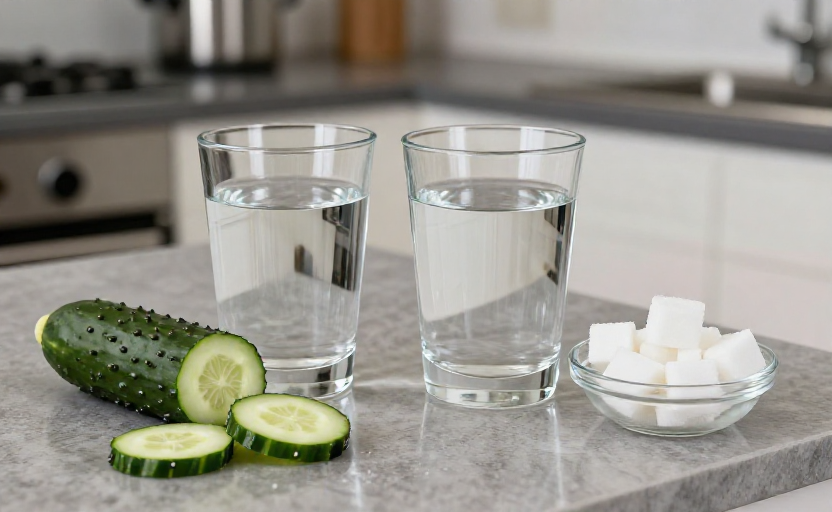
The 20-minute rule. Before reaching for a snack, drink a full glass of water and wait 20 minutes. If the craving fades, it was dehydration. If the craving remains strong, your body likely needs fuel or nutrients.
Many people walk around in a state of low-grade dehydration, especially in the afternoon when natural energy dips occur. That slump feels like a need for sugar, but water may restore alertness and reduce the desire to snack.
Mistake #2: Drinking the Wrong Fluids
Not all fluids hydrate equally. Some actually worsen cravings by destabilizing blood sugar or tricking the body into needing more water to process the liquid itself.
Coffee and caffeinated tea
Caffeine is a mild diuretic. A morning coffee or two is fine, but relying on caffeinated drinks throughout the day can leave you net dehydrated. When dehydration increases, your body may signal for sugar to get a quick energy hit to compensate for the water loss. This creates a cycle: drink caffeine, feel dehydrated, crave sugar, eat sugar, crash, reach for more caffeine.
Sugary drinks, diet soda, and juice
Sweet drinks—even ones with artificial sweeteners—train the brain to expect sugar. When you drink soda, sweetened iced tea, or fruit juice, your palate gets a sweetness signal, but your body does not receive the accompanying glucose in a natural, fiber-buffered form. This can amplify cravings for real sugar later. Diet soda is no better; research suggests artificial sweeteners may increase overall craving for sweet things and disrupt normal appetite signaling.
The Hydration Habit That Cuts Cravings
Once you know the mistakes, the solution is straightforward: prioritize plain water and eat your water through whole fruits and vegetables.
Plain water remains the gold standard. It hydrates without adding calories, sugar, or confusion signals. Electrolyte-enhanced water can help if you sweat heavily or exercise intensely, but plain filtered tap water covers most people's needs.
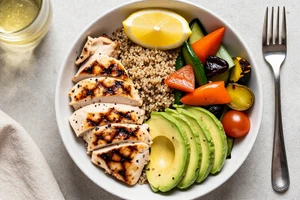
Water-rich foods like cucumber, watermelon, oranges, celery, and berries contribute to your daily fluid intake while also providing fiber and micronutrients that stabilize blood sugar. That combination—fluid plus fiber plus nutrients—directly addresses the root of many cravings.
How Much Water Is Enough?
There is no one-size-fits-all number, but general guidelines offer a starting point. The National Academies of Sciences, Engineering, and Medicine recommend about 15.5 cups (3.7 liters) of fluids a day for men and 11.5 cups (2.7 liters) for women. This includes water from all sources—beverages and food.
A more practical approach: check your urine color. Pale straw or clear means you are well hydrated. Dark yellow or amber means you need to drink more water. Pay attention to thirst, which is already a late sign of dehydration. By the time you feel thirsty, you are already behind.
When Cravings Persist Despite Good Hydration
If you drink enough water, eat water-rich foods, and still experience strong sugar cravings, the cause may lie elsewhere. Inadequate sleep, high stress, insufficient protein or fiber at meals, and low total calorie intake can all trigger sugar cravings independent of hydration status.
Cravings that feel uncontrollable or intense might also indicate a deeper nutritional deficit. Iron, magnesium, or zinc deficiencies sometimes present as sugar cravings. If improving hydration does not resolve persistent cravings, consider reviewing your overall diet patterns or consulting a registered dietitian for personalized guidance.
The bottom line: before blaming willpower or reaching for another sweet snack, drink a glass of water. Wait. Then see what your body actually needs. Often, it is simply what you have been missing all along.