
You’re doing everything right—eating balanced meals, skipping the sugary snacks, drinking water—but the hunger still hits. That gnawing feeling an hour after lunch, or the late-night cravings that seem to come from nowhere, can throw off even the best intentions. The truth is, managing appetite isn't just about willpower. Many people unknowingly make two specific mistakes that keep their hunger signals out of whack.
Let’s look at these common pitfalls and, more importantly, how to adjust them so your body works with you, not against you.
Mistake #1: Relying on “Energy In, Energy Out” Without Considering Hormones
The old calories-in, calories-out model is a useful framework, but it misses a key player: your hormones. Ghrelin (the “hunger hormone”) and leptin (the “fullness hormone”) are the real conductors of your appetite orchestra. When you drastically cut calories or eat a diet high in refined carbs, you can throw these hormones out of balance.
A common scenario: you skip breakfast to save calories, or you eat a very low-fat, high-carb lunch. Your blood sugar spikes and then crashes. That crash triggers a surge of ghrelin, making you feel ravenous just a few hours later. It feels like a lack of willpower, but it’s actually a hormonal reaction.
How to fix it
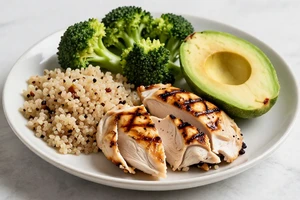
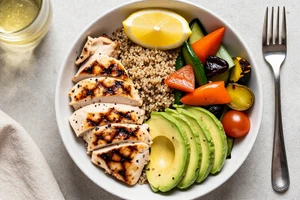
Focus on meals that include protein, fiber, and a little healthy fat at every eating opportunity. Protein (think eggs, Greek yogurt, chicken, or lentils) is particularly good at suppressing ghrelin. Fiber from vegetables, beans, or whole grains slows down digestion, preventing those blood sugar spikes. A small amount of fat—like a quarter of an avocado or a drizzle of olive oil—triggers the release of cholecystokinin (CCK), a hormone that tells your brain you’re full.
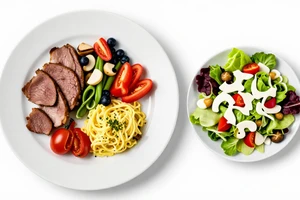
Aim for a plate that looks balanced: a palm-sized portion of protein, two fist-sized portions of non-starchy vegetables, and a thumb-sized portion of healthy fat.
Mistake #2: Confusing Thirst with Hunger (and Letting Dehydration Build)
This is the classic trick. The hypothalamus—the part of your brain that regulates both hunger and thirst—can misread signals. A mild state of dehydration often feels like a low-grade hunger pang. You might reach for a handful of almonds or a piece of fruit when what your body really wants is a glass of water.
This mistake compounds over the day. You drink a morning coffee (a diuretic) and then maybe a soda at lunch (high sugar). By mid-afternoon, you're not properly hydrated, and your brain sends out a general “something is needed” signal. It reads as hunger, but it’s actually thirst.
How to fix it
First, learn to pause before you eat. When you feel a hunger pang that isn't tied to a scheduled meal time, drink a full glass of water and wait 10–15 minutes. Often, the feeling fades. Second, pace your hydration. Don't try to chug a gallon at once. Keep a water bottle at your desk and sip consistently. Aim for a steady intake throughout the morning and afternoon. Herbal tea and sparkling water with a slice of lemon also count. Just avoid sugary drinks that can spike your appetite later.
If you do the water test and the hunger is still real, then honor it—your body might actually need fuel. But most people find that a surprising number of their “hunger attacks” are resolved with a simple glass of water.
The Big Picture: Sleep and Stress
While these two mistakes are the most common, they are often worsened by two other factors: poor sleep and chronic stress. When you’re sleep-deprived, your ghrelin levels rise and your leptin levels fall. The result? You feel hungrier even when you’ve had enough to eat. Similarly, high cortisol (the stress hormone) can increase cravings for high-sugar, high-fat foods. If you're fixing your meals and your hydration but still struggling, check your sleep hygiene and stress management. A consistent bedtime and a short walk outside can be surprisingly powerful appetite regulators.