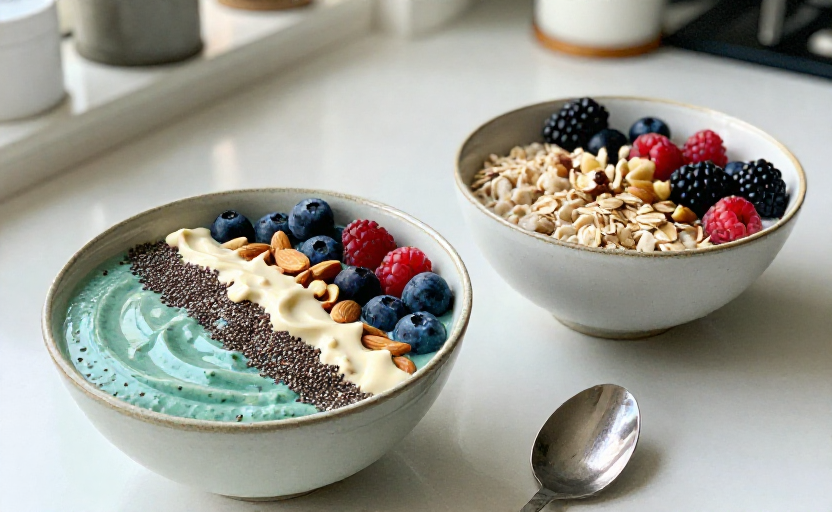
You start your day with a smoothie bowl, avocado toast, or a big bowl of oatmeal — all plant-based, all “healthy.” Yet an hour later, your stomach is growling, your energy dips, and you're reaching for a mid-morning snack. If this sounds familiar, you're not alone. Many people find that plant-based breakfasts, while nutrient-dense, don't always keep them satisfied until lunch. The good news? With a few intentional swaps, you can build a morning meal that fuels you for hours — no animal products required.
Why does a plant-based breakfast leave you hungry?
The short answer: most plant-based breakfasts lean heavily on carbohydrates and sugar, with not enough protein, fat, or fiber to slow digestion and stabilize blood sugar. A typical smoothie might be fruit, plant milk, and a handful of spinach — that’s roughly 30 grams of carbs and only 2–3 grams of protein. Oatmeal made with water or milk and a drizzle of maple syrup is similarly carb-heavy. Your body digests these quickly, causing a rapid rise and then a sharp drop in blood glucose. That drop triggers hunger, fatigue, and cravings.
Another factor is volume and satiety. Plant foods are often less calorie-dense than animal foods, so you may need a larger portion or a different macronutrient balance to feel full. Protein and fat both slow gastric emptying and promote the release of satiety hormones like peptide YY and GLP-1. Without enough of them, your breakfast is essentially a fast fuel that burns out by mid-morning.
Simple swaps that keep you full
You don’t have to give up your favorite plant-based breakfasts. You just need to tweak them. Here are a few evidence-backed adjustments.
1. Boost protein with whole-food sources
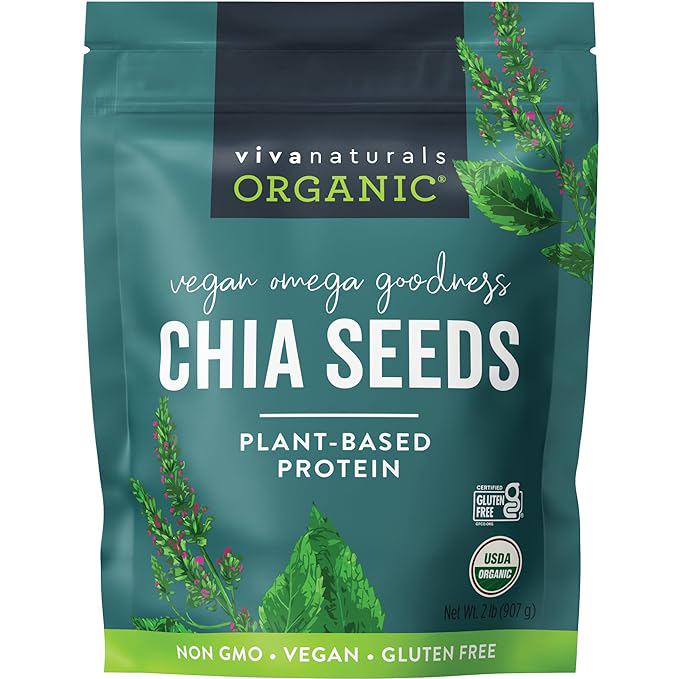
Instead of relying solely on fruit for your smoothie, add a scoop of unsweetened pea or hemp protein powder. Or blend in a quarter-cup of raw pumpkin seeds or a tablespoon of almond butter. For oatmeal, stir in a tablespoon of chia seeds or a scoop of plant-based protein powder. A single serving of chia seeds provides about 5 grams of protein and 10 grams of fiber — both of which help with satiety. Tofu scramble is another excellent option: half a block of firm tofu (about 4 ounces) delivers roughly 12 grams of protein.
2. Add healthy fat
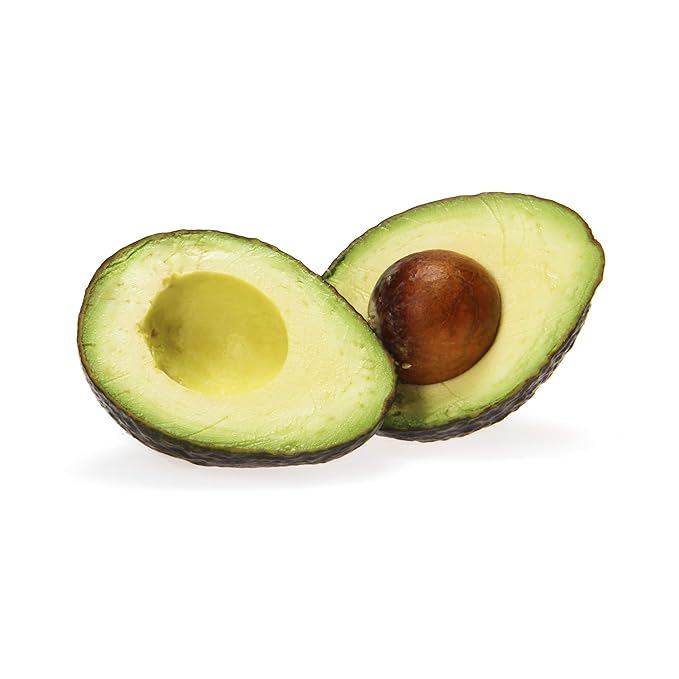
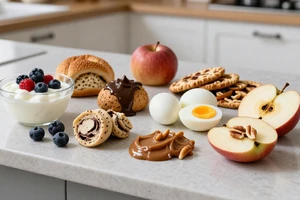
Fat slows digestion and adds flavor. If your morning meal is fat-free or low-fat, you’re missing a key piece of the satiety puzzle. Drizzle a tablespoon of tahini (sesame paste) over your oatmeal, or mash half an avocado onto toast instead of using a light spread. For smoothies, a tablespoon of flax oil or a quarter of an avocado adds creaminess and keeps you satisfied longer. Nut and seed butters are another easy option — just choose brands without added sugar or hydrogenated oils.
3. Choose whole grains over refined ones
Oatmeal is fine, but instant oats have a higher glycemic index and digest faster. Swap them for steel-cut oats or rolled oats. Better yet, try a savory breakfast bowl with quinoa, buckwheat, or millet. These grains contain more fiber and protein than refined alternatives. Quinoa, for instance, is a complete protein with all nine essential amino acids — rare in the plant world. A cup of cooked quinoa provides about 8 grams of protein and 5 grams of fiber, a substantial upgrade from white toast or cream of wheat.
4. Don’t skip vegetables
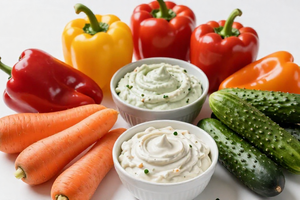
Volume matters for satiety. Non-starchy vegetables like spinach, kale, bell peppers, and mushrooms add bulk without many calories. Throw a handful of greens into your smoothie (you won’t taste them) or sauté spinach and tomatoes to go with your tofu scramble. The fiber in vegetables also helps slow the absorption of carbohydrates, preventing the blood sugar spike-and-crash cycle.
5. Include fermented foods for gut health
Emerging research suggests that the gut microbiome influences appetite-regulating hormones. A healthy gut may help you feel full on fewer calories. Try adding a spoonful of sauerkraut, kimchi, or plant-based yogurt with live active cultures to your breakfast bowl. Not only does this boost beneficial bacteria, but the tangy flavor can also stand in for cheese or sour cream in savory dishes.
A sample satiating plant-based breakfast
Here’s one quick combination that incorporates all of the above:
- Savory tofu scramble — 4 oz firm tofu crumbled and sautéed with turmeric, black pepper, and nutritional yeast
- Side of sautéed spinach — one cup fresh spinach cooked in a teaspoon of olive oil
- Half an avocado — sliced on the side
- Small bowl of cooked quinoa — about half a cup, seasoned with salt and lime juice
This meal provides roughly 20 grams of protein, 18 grams of fat, and 10 grams of fiber. You’ll feel satisfied for 4–5 hours without an energy crash.
What about smoothies?
Smoothies are convenient, but they’re easy to make unbalanced. The solution is to treat them as a meal, not a snack. Use water or unsweetened plant milk as the base instead of fruit juice. Add at least one source of protein (like hemp seeds or a scoop of protein powder) and one source of fat (like a tablespoon of almond butter or half an avocado). Keep the fruit to one serving — a small banana or half a cup of frozen berries. And don’t forget fiber: a tablespoon of ground flaxseed or chia seeds does the job. Drink it slowly, and chew if you can — eating a smoothie with a spoon rather than slurping it through a straw can increase the feeling of fullness.
When to eat
Timing also plays a role. Eating your breakfast within 90 minutes of waking helps regulate appetite hormones for the rest of the day. If you exercise first thing in the morning, it’s fine to have a small pre-workout snack (like half an apple) and then a full breakfast afterward. Aim to consume at least 300–400 calories at breakfast — going significantly lower risks hunger long before lunch.
A quick caveat: these suggestions are general wellness education. Individual calorie and macronutrient needs vary based on age, activity level, and health status. No single meal pattern guarantees satiety for everyone. Listen to your body and adjust accordingly.
Plant-based eating doesn’t have to mean mid-morning hunger. With a little attention to protein, fat, fiber, and timing, your breakfast can keep you energized, focused, and satisfied — all without animals.